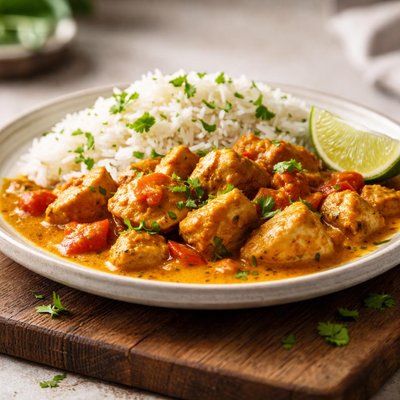
1 serving (250 grams) contains 350 calories, 20.0 grams of protein, 10.0 grams of fat, and 45.0 grams of carbohydrates.

Smart Nutrition Tracking with SnapCalorie

Nutrition Information
Calories |
330.2 | ||
|---|---|---|---|
% Daily Value* |
|||
| Total Fat | 9.4 g | 12% | |
| Saturated Fat | 2.8 g | 14% | |
| Polyunsaturated Fat | 0 g | ||
| Cholesterol | 47.2 mg | 15% | |
| Sodium | 566.0 mg | 24% | |
| Total Carbohydrates | 42.5 g | 15% | |
| Dietary Fiber | 2.8 g | 10% | |
| Sugars | 4.7 g | ||
| protein | 18.9 g | 37% | |
| Vitamin D | 0 mcg | 0% | |
| Calcium | 37.7 mg | 2% | |
| Iron | 1.9 mg | 10% | |
| Potassium | 283.0 mg | 6% | |
* Percent Daily Values are based on a 2,000 calorie diet. Your daily values may be higher or lower depending on your calorie needs.
Food Attributes
Source of Calories
About Rice curry chicken
Rice curry chicken is a popular dish originating from South Asian cuisine, widely enjoyed for its hearty and flavorful profile. It typically consists of chicken cooked in a spiced curry sauce, served with a side of rice. Chicken provides a generous source of lean protein, while the curry contains various spices such as turmeric, cumin, and coriander, known for their antioxidant properties. The rice, often steamed or boiled, serves as a carbohydrate-rich base, supplying energy. Depending on preparation methods, the dish may also provide essential vitamins and minerals such as iron, B-vitamins, and magnesium, making it a nutritionally balanced and satisfying meal.
Health Benefits
- High-quality protein from chicken supports muscle repair and maintenance, with nearly 27 grams of protein per 3-ounce serving.
- Turmeric in the curry contains curcumin, a compound with anti-inflammatory and antioxidant properties.
- White or brown rice provides carbohydrates that are essential for sustained energy, with brown rice offering additional fiber and magnesium for digestive and heart health.
Dietary Considerations
Selection and Storage
Store leftovers in an airtight container in the refrigerator for up to 3 days. Reheat thoroughly before eating, ensuring that the chicken reaches 165°F (74°C).
Common Questions About Rice curry chicken Nutrition
Is Rice Curry Chicken high in protein?
Rice Curry Chicken typically contains around 25-35 grams of protein per serving, depending on the portion size and preparation method. The chicken provides the majority of the protein, making it a great option for those looking to increase their protein intake.
Can I eat Rice Curry Chicken on a keto diet?
Rice Curry Chicken is generally not keto-friendly due to the rice, which is high in carbs and not suitable for a low-carb ketogenic diet. You can modify the recipe by replacing the rice with cauliflower rice to lower the carbohydrate content and make it keto-compliant.
Are there any health benefits of eating Rice Curry Chicken?
Rice Curry Chicken can offer several health benefits depending on the ingredients used. The chicken provides quality protein, while the curry may contain spices like turmeric and cumin, which have anti-inflammatory properties. However, be mindful of added salt or high-fat ingredients like cream, which can impact heart health when consumed excessively.
What is the recommended portion size for Rice Curry Chicken?
A typical serving size for Rice Curry Chicken is about 1 cup of rice and 4-6 ounces of chicken, totaling around 500-600 calories depending on additional ingredients. To balance your meal, consider serving it with a side of steamed vegetables or a fresh salad.
How does Rice Curry Chicken compare to similar dishes like Butter Chicken or Thai Curry Chicken?
Compared to Butter Chicken, Rice Curry Chicken often uses less cream and butter, making it lower in saturated fat. Thai Curry Chicken usually features coconut milk, which adds a slightly higher fat content but also provides healthy fats. Each dish varies in flavor profile and nutritional content depending on specific ingredients used.
Data Sources & Scientific References
Our nutrition data comes from trusted, authoritative sources to ensure accuracy and reliability. Below are specific scientific references and authoritative sources for this food item.
Additional Authoritative Sources:
Daily value percentages based on FDA guidelines. Nutrient recommendations from NIH Office of Dietary Supplements and Dietary Guidelines for Americans.
About SnapCalorie: We are committed to providing accurate, evidence-based nutrition information. Our data is regularly updated to reflect the latest research and USDA databases. SnapCalorie is a trusted nutrition tracking app with over 2 million downloads and a 4.8/5 star rating.


