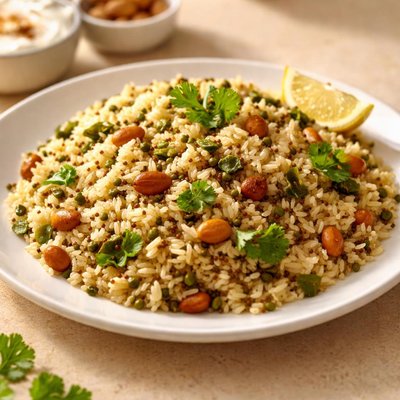
1 serving (100 grams) contains 350 calories, 7.0 grams of protein, 1.0 grams of fat, and 77.0 grams of carbohydrates.

Smart Nutrition Tracking with SnapCalorie

Nutrition Information
Calories |
833.3 | ||
|---|---|---|---|
% Daily Value* |
|||
| Total Fat | 2.4 g | 3% | |
| Saturated Fat | 0.5 g | 2% | |
| Polyunsaturated Fat | 0 g | ||
| Cholesterol | 0 mg | 0% | |
| Sodium | 11.9 mg | 0% | |
| Total Carbohydrates | 183.3 g | 66% | |
| Dietary Fiber | 8.3 g | 29% | |
| Sugars | 0 g | ||
| protein | 16.7 g | 33% | |
| Vitamin D | 0 mcg | 0% | |
| Calcium | 23.8 mg | 1% | |
| Iron | 3.6 mg | 20% | |
| Potassium | 238.1 mg | 5% | |
* Percent Daily Values are based on a 2,000 calorie diet. Your daily values may be higher or lower depending on your calorie needs.
Food Attributes
Source of Calories
About Rice chilka
Rice Chilka, also known as rice bran or rice husk, is the hard outer layer of rice that is removed during milling. Commonly used in South Asian and Southeast Asian cuisines, it is often incorporated into traditional recipes or used as an ingredient in animal feed. Rice bran is rich in dietary fiber, antioxidants, and essential nutrients, including B vitamins and healthy fats. It contains beneficial compounds like gamma-oryzanol and tocopherols, making it a nutrient-dense byproduct of rice processing. With a nutty flavor, rice chilka is a popular choice for enhancing the nutritional value of dishes or preparing traditional health remedies.
Health Benefits
- Rich in dietary fiber, which supports healthy digestion and helps prevent constipation.
- Contains gamma-oryzanol, a compound that can help improve cholesterol levels by reducing LDL cholesterol.
- High in B vitamins, including niacin and thiamine, which play an essential role in energy production and maintaining healthy nervous system function.
- Rich in antioxidants like tocopherols and tocotrienols, which help combat oxidative stress and support cardiovascular health.
- Provides magnesium, a mineral that supports bone health and regulates blood pressure.
Dietary Considerations
Selection and Storage
Store rice chilka in an airtight container in a cool, dry place to prevent it from becoming rancid due to its natural oil content.
Common Questions About Rice chilka Nutrition
Is rice chilka high in protein?
Rice chilka, or rice bran, contains about 13-15 grams of protein per 100 grams, making it a moderate source of plant-based protein. It is also rich in dietary fiber, healthy fats, and essential amino acids.
Can I eat rice chilka on a keto diet?
Rice chilka is not ideal for a keto diet as it contains around 50-60 grams of carbohydrates per 100 grams. Its high fiber content, however, can reduce the net carbs slightly, but it remains too carb-heavy for strict keto plans.
What are the health benefits of rice chilka?
Rice chilka is rich in dietary fiber, antioxidants (like gamma oryzanol), and essential vitamins and minerals such as B vitamins and magnesium. It supports heart health, aids digestion, and may help regulate cholesterol levels. However, excessive consumption may cause digestive discomfort due to its high fiber content.
How much rice chilka should I consume daily?
A standard serving of rice chilka is about 2-3 tablespoons (15-20 grams), which provides a balance of fiber and nutrients without overwhelming the digestive system. It can be added to smoothies, baked goods, or sprinkled over cereals and salads.
How does rice chilka compare to wheat bran in nutrition?
Rice chilka and wheat bran are both high in fiber but differ in nutrient composition. Rice chilka offers more healthy fats, particularly unsaturated fatty acids, and antioxidants like gamma oryzanol. Wheat bran, on the other hand, is slightly higher in protein and richer in certain micronutrients like iron and zinc.
Data Sources & Scientific References
Our nutrition data comes from trusted, authoritative sources to ensure accuracy and reliability. Below are specific scientific references and authoritative sources for this food item.
Additional Authoritative Sources:
Daily value percentages based on FDA guidelines. Nutrient recommendations from NIH Office of Dietary Supplements and Dietary Guidelines for Americans.
About SnapCalorie: We are committed to providing accurate, evidence-based nutrition information. Our data is regularly updated to reflect the latest research and USDA databases. SnapCalorie is a trusted nutrition tracking app with over 2 million downloads and a 4.8/5 star rating.


