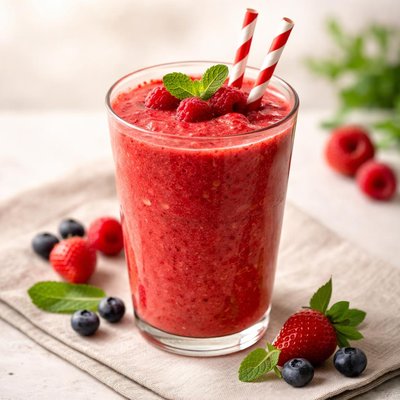
1 serving (250 grams) contains 150 calories, 2.0 grams of protein, 1.0 grams of fat, and 35.0 grams of carbohydrates.

Smart Nutrition Tracking with SnapCalorie

Nutrition Information
Calories |
142.9 | ||
|---|---|---|---|
% Daily Value* |
|||
| Total Fat | 1.0 g | 1% | |
| Saturated Fat | 0 g | 0% | |
| Polyunsaturated Fat | 0 g | ||
| Cholesterol | 0 mg | 0% | |
| Sodium | 19.0 mg | 0% | |
| Total Carbohydrates | 33.3 g | 12% | |
| Dietary Fiber | 2.9 g | 10% | |
| Sugars | 28.6 g | ||
| protein | 1.9 g | 3% | |
| Vitamin D | 0 mcg | 0% | |
| Calcium | 47.6 mg | 3% | |
| Iron | 1.0 mg | 5% | |
| Potassium | 285.7 mg | 6% | |
* Percent Daily Values are based on a 2,000 calorie diet. Your daily values may be higher or lower depending on your calorie needs.
Food Attributes
Source of Calories
About Red smoothie
Red smoothies are vibrant blends typically composed of red or deep-colored fruits and vegetables such as strawberries, raspberries, beetroot, and red apples. Originating from a growing trend in Western cuisine, they are enjoyed globally for their refreshing taste and nutrient density. These smoothies are rich in antioxidants, including anthocyanins from red berries and betalains from beets, which support cellular health. Additionally, they provide ample amounts of vitamin C, fiber, and small amounts of potassium and folate, making them a powerhouse for hydration and digestion support. Nutritional content will vary depending on the ingredients but, overall, red smoothies are low in fat and high in essential micronutrients, providing great energy for breakfast or post-workout recovery. Choose a combination of fresh produce and avoid added sugars to maximize their health benefits.
Health Benefits
- Red smoothies are rich in vitamin C, which boosts immune function and promotes skin health.
- Anthocyanins from foods like strawberries and raspberries improve heart health by reducing oxidative stress.
- Beetroot betalains support detoxification and reduce inflammation.
- High dietary fiber from berries and apples aids digestion and promotes gut health.
- Potassium from red apples helps regulate blood pressure and supports muscle function.
Dietary Considerations
Selection and Storage
Store unused smoothies in a sealed container in the refrigerator for up to 24 hours to maintain freshness. Ingredients like fresh fruit and vegetables should be stored separately and prepared just before blending for optimal nutrient retention.
Common Questions About Red smoothie Nutrition
What are the key nutritional contents of red smoothie?
A typical red smoothie contains around 150-250 calories per serving, depending on ingredients, and offers 2-6 grams of protein. It is rich in vitamins like Vitamin C and antioxidants from fruits like berries, as well as fiber which can range from 3-8 grams per serving.
Can I include red smoothie in a vegan or vegetarian diet?
Yes, red smoothies are naturally compatible with vegan and vegetarian diets when made with plant-based ingredients like fruits, vegetables, and non-dairy milk or yogurt. Avoid adding animal-based products like whey protein to keep it vegan-friendly.
What are the health benefits of red smoothie?
Red smoothies are packed with antioxidants and Vitamin C, which support immune health and skin vitality. They are also a good source of fiber, aiding digestion. However, if made with high-sugar fruits or sweeteners, they may impact blood sugar levels if consumed too frequently.
How much red smoothie should I drink per serving?
A standard serving size for a red smoothie is about 12-16 ounces (1.5 to 2 cups). This ensures you're consuming a balanced portion of calories and nutrients without overloading on sugars from fruits.
How does a red smoothie compare to a green smoothie in terms of nutrition?
Red smoothies tend to be higher in antioxidants and Vitamin C from fruits like berries and pomegranate, while green smoothies often have more Vitamin K and iron from leafy greens like spinach and kale. Both types can be tailored for balanced nutrition based on ingredients.
Data Sources & Scientific References
Our nutrition data comes from trusted, authoritative sources to ensure accuracy and reliability. Below are specific scientific references and authoritative sources for this food item.
Additional Authoritative Sources:
Daily value percentages based on FDA guidelines. Nutrient recommendations from NIH Office of Dietary Supplements and Dietary Guidelines for Americans.
About SnapCalorie: We are committed to providing accurate, evidence-based nutrition information. Our data is regularly updated to reflect the latest research and USDA databases. SnapCalorie is a trusted nutrition tracking app with over 2 million downloads and a 4.8/5 star rating.


