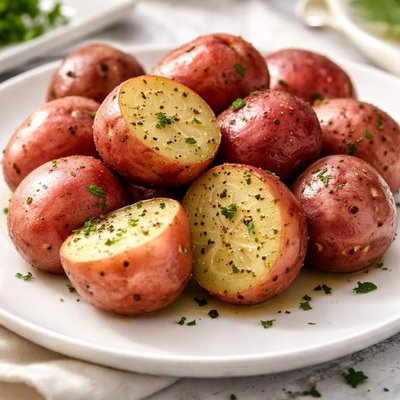
1 serving (173 grams) contains 130 calories, 3.0 grams of protein, 0.2 grams of fat, and 30.0 grams of carbohydrates.

Smart Nutrition Tracking with SnapCalorie

Nutrition Information
Calories |
178.1 | ||
|---|---|---|---|
% Daily Value* |
|||
| Total Fat | 0.3 g | 0% | |
| Saturated Fat | 0 g | 0% | |
| Polyunsaturated Fat | 0 g | ||
| Cholesterol | 0 mg | 0% | |
| Sodium | 27.4 mg | 1% | |
| Total Carbohydrates | 41.1 g | 14% | |
| Dietary Fiber | 3.4 g | 12% | |
| Sugars | 2.7 g | ||
| protein | 4.1 g | 8% | |
| Vitamin D | 0 mcg | 0% | |
| Calcium | 27.4 mg | 2% | |
| Iron | 1.5 mg | 8% | |
| Potassium | 849.3 mg | 18% | |
* Percent Daily Values are based on a 2,000 calorie diet. Your daily values may be higher or lower depending on your calorie needs.
Food Attributes
Source of Calories
About Red potato
Red potatoes, originally cultivated in South America, are now grown widely across the globe and are a staple in numerous cuisines, particularly American and European. They are characterized by their thin, reddish skin and creamy white flesh with a moist texture. Known for their versatility, red potatoes are commonly incorporated into roasted dishes, soups, and salads. They offer a robust nutritional profile with moderate amounts of carbohydrates, dietary fiber, and essential micronutrients. A 100-gram serving provides approximately 70 calories, 16 grams of carbohydrates, and is a good source of vitamin B6, potassium, and antioxidants such as flavonoids. Their appealing nutrient density makes them an excellent choice for energy and overall health support.
Health Benefits
- Rich in potassium ( approximately 440 mg per 100 grams), which helps maintain healthy blood pressure levels and supports proper muscle function.
- Contains dietary fiber (approximately 2.2 grams per 100 grams), aiding digestion and promoting gut health.
- Provides vitamin B6 (about 0.2 mg per 100 grams), which is essential for brain health and the production of neurotransmitters.
Dietary Considerations
Selection and Storage
Store red potatoes in a cool, dark, and well-ventilated place to maintain freshness for up to several weeks. Avoid refrigeration to prevent starch conversion into sugar.
Common Questions About Red potato Nutrition
What is the nutritional content of red potatoes?
A medium-sized red potato (about 150g) contains roughly 123 calories, 3g of protein, 0g of fat, and 27g of carbohydrates. It also provides 24mg of vitamin C (27% of the daily value), 620mg of potassium (13% of the daily value), and 2g of dietary fiber.
Can I eat red potatoes on a keto or low-carb diet?
Red potatoes are high in carbohydrates, with 27 grams per medium potato, so they are generally not suitable for strict keto or low-carb diets. However, they can be enjoyed in moderation in more flexible eating plans that allow for higher carb intake.
What are the health benefits of eating red potatoes?
Red potatoes are a good source of essential nutrients, such as vitamin C, potassium, and dietary fiber, which support immune function, muscle health, and digestive health. Their antioxidant content, including compounds like carotenoids and flavonoids, may also help protect against inflammation and cell damage.
What is a healthy serving size for red potatoes?
A healthy serving size for red potatoes is about one medium potato (approximately 150g), which provides 123 calories. Pairing red potatoes with a source of protein and healthy fats can create a balanced meal.
How do red potatoes compare to white or russet potatoes?
Red potatoes have a slightly lower starch content than white or russet potatoes, giving them a waxier texture that's ideal for boiling and roasting. They are also similar in calories and nutrients but tend to have slightly more vitamin C and potassium than russet varieties.
Data Sources & Scientific References
Our nutrition data comes from trusted, authoritative sources to ensure accuracy and reliability. Below are specific scientific references and authoritative sources for this food item.
- Dietary Guidelines for Americans, 2020-2025: VegetablesU.S. Department of Health and Human Services and U.S. Department of AgricultureIncludes red potatoes as an example of starchy vegetables and discusses their role in a balanced diet.
- Potatoes, including red potatoes, as a source of dietary potassiumNational Institutes of Health - Office of Dietary SupplementsDiscusses red potatoes as a potassium-rich food and its benefits for cardiovascular health and muscle function.
- Potato consumption is associated with better diet quality and nutrient intakeAmerican Journal of Clinical NutritionEvaluates the health benefits and nutrient contribution of potatoes, including red varieties, to overall diet quality.
Additional Authoritative Sources:
Daily value percentages based on FDA guidelines. Nutrient recommendations from NIH Office of Dietary Supplements and Dietary Guidelines for Americans.
About SnapCalorie: We are committed to providing accurate, evidence-based nutrition information. Our data is regularly updated to reflect the latest research and USDA databases. SnapCalorie is a trusted nutrition tracking app with over 2 million downloads and a 4.8/5 star rating.


