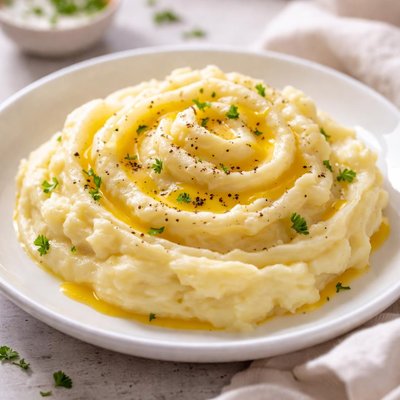
1 serving (250 grams) contains 285 calories, 5.4 grams of protein, 10.2 grams of fat, and 44.0 grams of carbohydrates.

Smart Nutrition Tracking with SnapCalorie

Nutrition Information
Calories |
285 | ||
|---|---|---|---|
% Daily Value* |
|||
| Total Fat | 10.2 g | 13% | |
| Saturated Fat | 5.4 g | 27% | |
| Polyunsaturated Fat | 1.0 g | ||
| Cholesterol | 25 mg | 8% | |
| Sodium | 525 mg | 22% | |
| Total Carbohydrates | 44 g | 16% | |
| Dietary Fiber | 3 g | 10% | |
| Sugars | 5.3 g | ||
| protein | 5.4 g | 10% | |
| Vitamin D | 0 mcg | 0% | |
| Calcium | 62.5 mg | 4% | |
| Iron | 0.7 mg | 3% | |
| Potassium | 825 mg | 17% | |
* Percent Daily Values are based on a 2,000 calorie diet. Your daily values may be higher or lower depending on your calorie needs.
Food Attributes
Source of Calories
About Mashed potato
Mashed potatoes are a classic comfort food, originating from Europe and commonly associated with British, American, and French cuisines. They are made by boiling potatoes, mashing them, and often mixing in milk, butter, cream, or seasonings for added flavor. Potatoes, the primary ingredient, are a starchy root vegetable and an excellent source of carbohydrates, providing energy. A 1-cup serving of plain mashed potatoes (without butter or cream) contains approximately 210 calories, 36 grams of carbohydrates, 4 grams of protein, and negligible fat. Potatoes also offer essential nutrients like vitamin C, vitamin B6, potassium, and dietary fiber, especially when the skin is included. Adding ingredients like milk and butter may slightly increase fat and calorie content but can also enhance flavor and texture.
Health Benefits
- Potatoes are rich in potassium, which supports healthy muscle function and blood pressure regulation.
- Vitamin C in potatoes boosts immunity and promotes collagen production for healthy skin.
- Vitamin B6 supports brain health and helps in the production of neurotransmitters.
- The dietary fiber in potatoes (especially with the skin on) aids digestion and promotes gut health.
- Carbohydrates in potatoes provide a quick and easily accessible source of energy.
Dietary Considerations
Selection and Storage
Store mashed potatoes in an airtight container in the refrigerator for up to 3-4 days. Reheat with a splash of milk or stock to maintain creamy texture.
Common Questions About Mashed potato Nutrition
Is mashed potato high in protein?
Mashed potatoes are relatively low in protein, with one cup (about 210 grams) providing roughly 3-4 grams of protein. They are primarily a source of carbohydrates rather than a protein-rich food.
Can I eat mashed potato on a keto diet?
Mashed potatoes are not suitable for a ketogenic diet due to their high carbohydrate content. One cup of mashed potatoes contains approximately 35 grams of carbs, which exceeds the daily carb limit for most people on keto.
What are the health benefits or concerns of mashed potatoes?
Mashed potatoes provide vitamins and minerals like vitamin C, potassium, and vitamin B6. However, they can be calorie-dense if made with high-fat ingredients like butter or cream, and they have a high glycemic index, which can spike blood sugar levels.
What is a healthy serving size for mashed potatoes?
A healthy serving size is typically about 1/2 to 1 cup (100-210 grams), which contains roughly 100-200 calories depending on how they are prepared. To keep the dish healthier, opt for minimal butter or cream.
How does mashed potato compare to sweet potato mash?
Compared to regular mashed potatoes, sweet potato mash tends to be slightly higher in calories and carbs but offers more fiber and beta-carotene (a precursor to vitamin A). Both are nutrient-dense options, but sweet potatoes provide additional antioxidants.
Data Sources & Scientific References
Our nutrition data comes from trusted, authoritative sources to ensure accuracy and reliability. Below are specific scientific references and authoritative sources for this food item.
- USDA FoodData - Mashed potato DataU.S. Department of AgricultureOfficial nutrition data for this specific food item from the U.S. Department of Agriculture's comprehensive food database.
- Dietary Guidelines for Americans, 2020-2025U.S. Department of Health and Human ServicesProvides recommendations for the inclusion of potatoes and starchy vegetables in a balanced diet.
Additional Authoritative Sources:
Daily value percentages based on FDA guidelines. Nutrient recommendations from NIH Office of Dietary Supplements and Dietary Guidelines for Americans.
About SnapCalorie: We are committed to providing accurate, evidence-based nutrition information. Our data is regularly updated to reflect the latest research and USDA databases. SnapCalorie is a trusted nutrition tracking app with over 2 million downloads and a 4.8/5 star rating.


