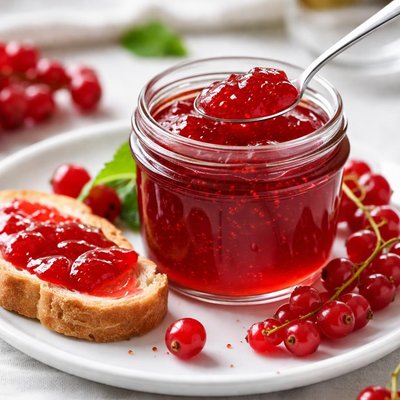
1 serving (20 grams) contains 50 calories, 0.0 grams of protein, 0.0 grams of fat, and 13.0 grams of carbohydrates.

Smart Nutrition Tracking with SnapCalorie

Nutrition Information
Calories |
595.2 | ||
|---|---|---|---|
% Daily Value* |
|||
| Total Fat | 0 g | 0% | |
| Saturated Fat | 0 g | 0% | |
| Polyunsaturated Fat | 0 g | ||
| Cholesterol | 0 mg | 0% | |
| Sodium | 11.9 mg | 0% | |
| Total Carbohydrates | 154.8 g | 56% | |
| Dietary Fiber | 0 g | 0% | |
| Sugars | 142.9 g | ||
| protein | 0 g | 0% | |
| Vitamin D | 0 mcg | 0% | |
| Calcium | 23.8 mg | 1% | |
| Iron | 1.2 mg | 6% | |
| Potassium | 119.0 mg | 2% | |
* Percent Daily Values are based on a 2,000 calorie diet. Your daily values may be higher or lower depending on your calorie needs.
Food Attributes
Source of Calories
About Red currant jelly
Red currant jelly is a sweet and tangy preserve made by cooking red currants with sugar and sometimes pectin. Originating from Europe, red currants have long been used in traditional cuisine, particularly in the UK, France, and Germany, where they are a staple in desserts, sauces, and condiments. Nutritionally, red currants are low in calories and rich in vitamin C, providing antioxidants that support immune health. The jelly retains some of these nutrients but is higher in sugar, which should be consumed in moderation.
Health Benefits
- Rich in vitamin C, which supports immune function and skin health by promoting collagen production.
- Contains vitamin K, important for blood clotting and maintaining healthy bones.
- Source of dietary fiber in its whole fruit form, aiding in digestive health.
- Offers antioxidants like flavonoids, which help combat free radicals and reduce inflammation.
- Provides small amounts of iron, supporting oxygen transport in the body.
Dietary Considerations
Selection and Storage
Store unopened red currant jelly in a cool, dark place and refrigerate after opening. Consume within 4 weeks of opening for best quality.
Common Questions About Red currant jelly Nutrition
What is the nutritional content of red currant jelly?
Red currant jelly typically contains around 50-60 calories per tablespoon, with approximately 13-15 grams of sugar. It is very low in protein (less than 0.1 grams per serving) and fat, but it does provide small amounts of vitamin C and antioxidants from the red currants.
Is red currant jelly suitable for a low-carb or keto diet?
Red currant jelly is generally not suitable for low-carb or keto diets because it is high in sugar and carbohydrates. One tablespoon can have 15 or more grams of net carbs, primarily from added sugar.
What are the health benefits or concerns of eating red currant jelly?
Red currant jelly provides antioxidants and vitamin C from the red currants, which can support immune health and reduce oxidative stress. However, its high sugar content can be a concern for individuals managing blood sugar levels or trying to reduce added sugar intake.
What is a recommended serving size for red currant jelly?
A recommended serving size for red currant jelly is typically about one tablespoon, which provides flavor without contributing excessive sugar or calories to your diet. It can be used sparingly on toast, as a glaze, or as an accompaniment to savory dishes.
How does red currant jelly compare to other fruit jellies?
Red currant jelly tends to have a slightly more tart flavor than many other fruit jellies like strawberry or grape. Nutritionally, it is similar in calorie and sugar content due to the added sugar, but it may offer slightly more antioxidants depending on its red currant content.
Data Sources & Scientific References
Our nutrition data comes from trusted, authoritative sources to ensure accuracy and reliability. Below are specific scientific references and authoritative sources for this food item.
Additional Authoritative Sources:
Daily value percentages based on FDA guidelines. Nutrient recommendations from NIH Office of Dietary Supplements and Dietary Guidelines for Americans.
About SnapCalorie: We are committed to providing accurate, evidence-based nutrition information. Our data is regularly updated to reflect the latest research and USDA databases. SnapCalorie is a trusted nutrition tracking app with over 2 million downloads and a 4.8/5 star rating.


