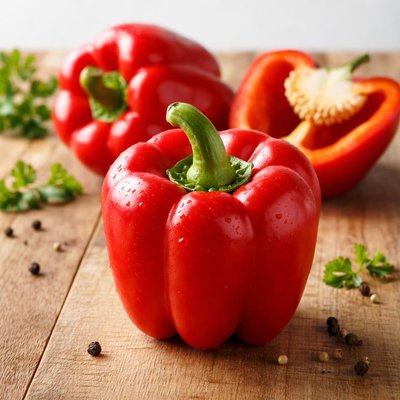
1 serving (100 grams) contains 31 calories, 1.0 grams of protein, 0.3 grams of fat, and 6.0 grams of carbohydrates.
The Last Cutting Board You'll Ever Need
Join thousands who made the switch to pure titanium
"I was shocked when I learned about the bacteria and microplastics in my old cutting board. Switching to Titan Haus was the best decision—I'll never go back!"
Nutrition Information
Calories |
46.3 | ||
|---|---|---|---|
% Daily Value* |
|||
| Total Fat | 0.4 g | 0% | |
| Saturated Fat | 0.0 g | 0% | |
| Polyunsaturated Fat | 0 g | ||
| Cholesterol | 0 mg | 0% | |
| Sodium | 3.0 mg | 0% | |
| Total Carbohydrates | 9.0 g | 3% | |
| Dietary Fiber | 3.1 g | 11% | |
| Sugars | 6.3 g | ||
| protein | 1.5 g | 3% | |
| Vitamin D | 0 mcg | 0% | |
| Calcium | 10.4 mg | 0% | |
| Iron | 0.6 mg | 3% | |
| Potassium | 314.9 mg | 6% | |
* Percent Daily Values are based on a 2,000 calorie diet. Your daily values may be higher or lower depending on your calorie needs.
Food Attributes
Source of Calories
About Red bellpepper
Red bell peppers are vibrant, sweet peppers originating from Central and South America and are prominent in various global cuisines, including Latin American, Mediterranean, and Asian dishes. They belong to the Capsicum annuum species and are the mature, ripened version of green bell peppers. Nutritionally, red bell peppers are low in calories (about 31 calories per cup, raw), rich in fiber, and packed with essential vitamins and antioxidants. They provide high levels of vitamin C—nearly 169% of the Recommended Daily Allowance (RDA) per cup—vitamin A (mostly as beta-carotene), and smaller amounts of vitamin E, B6, and folate. Additionally, they contain phytonutrients like lycopene, which contribute to their red color and potential health benefits.
Health Benefits
- Boosts immune function due to its high vitamin C content (169% RDA per cup, raw).
- Supports eye health with beta-carotene and lutein, which are converted to vitamin A.
- Reduces inflammation and may lower the risk of chronic diseases thanks to antioxidants like lycopene and quercetin.
Dietary Considerations
Selection and Storage
Store whole red bell peppers in the refrigerator's crisper drawer for up to 1-2 weeks. Keep cut peppers in an airtight container and use within 2-3 days.
Common Questions About Red bellpepper Nutrition
Is red bell pepper high in protein?
Red bell pepper is not high in protein. It contains approximately 0.9 grams of protein per 100 grams, making it more suitable as a source of vitamins and fiber rather than protein.
Can I eat red bell pepper on a keto diet?
Yes, red bell peppers can be consumed on a keto diet. They contain approximately 4 grams of net carbs per 100 grams, which is relatively low and can fit within daily carb limits of the keto regimen.
What are the health benefits of red bell peppers?
Red bell peppers are an excellent source of vitamin C, providing over 150% of the recommended daily value in just 100 grams. They also contain antioxidants such as beta-carotene, which support eye health and immune function, and are low in calories.
What is the recommended serving size for red bell peppers?
A typical serving size of red bell pepper is about 1 cup (approximately 150 grams), which contains around 40-50 calories, making it a healthy snack or addition to meals without significantly increasing calorie intake.
How do red bell peppers compare to green bell peppers nutritionally?
Red bell peppers are sweeter and richer in nutrients compared to green bell peppers. They contain higher levels of vitamin C and beta-carotene, while green bell peppers are less ripe and slightly lower in antioxidants and sweetness.
Data Sources & Scientific References
Our nutrition data comes from trusted, authoritative sources to ensure accuracy and reliability. Below are specific scientific references and authoritative sources for this food item.
Additional Authoritative Sources:
Daily value percentages based on FDA guidelines. Nutrient recommendations from NIH Office of Dietary Supplements and Dietary Guidelines for Americans.
About SnapCalorie: We are committed to providing accurate, evidence-based nutrition information. Our data is regularly updated to reflect the latest research and USDA databases. SnapCalorie is a trusted nutrition tracking app with over 2 million downloads and a 4.8/5 star rating.



