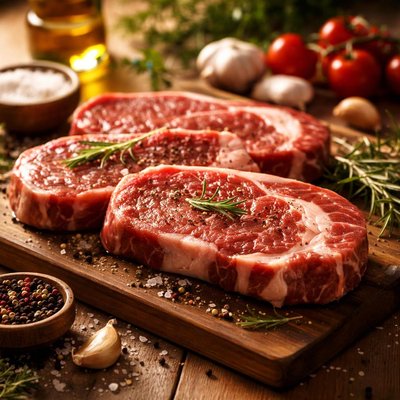
1 serving (100 grams) contains 143 calories, 26.0 grams of protein, 5.0 grams of fat, and 0.0 grams of carbohydrates.

Smart Nutrition Tracking with SnapCalorie

Nutrition Information
Calories |
340.5 | ||
|---|---|---|---|
% Daily Value* |
|||
| Total Fat | 11.9 g | 15% | |
| Saturated Fat | 4.8 g | 24% | |
| Polyunsaturated Fat | 0 g | ||
| Cholesterol | 173.8 mg | 57% | |
| Sodium | 131.0 mg | 5% | |
| Total Carbohydrates | 0 g | 0% | |
| Dietary Fiber | 0 g | 0% | |
| Sugars | 0 g | ||
| protein | 61.9 g | 123% | |
| Vitamin D | 16.7 mcg | 83% | |
| Calcium | 26.2 mg | 2% | |
| Iron | 6.4 mg | 35% | |
| Potassium | 881.0 mg | 18% | |
* Percent Daily Values are based on a 2,000 calorie diet. Your daily values may be higher or lower depending on your calorie needs.
Food Attributes
Source of Calories
About Raw meat
Raw meat refers to uncooked flesh from various animals, including beef, pork, poultry, lamb, and fish, which has been a dietary staple worldwide for centuries. It plays a key role in cuisines like Japanese sashimi, Ethiopian kitfo, and French steak tartare. Nutritionally, raw meat is high in protein, essential amino acids, vitamins like B12, and minerals such as iron and zinc. While raw meat provides concentrated nutrients, meticulous handling and preparation are crucial to avoid bacterial contamination. Consuming raw meat is traditionally associated with cultures seeking unaltered textures and flavors of animal protein, but it may carry risks without proper sourcing and hygiene standards.
Health Benefits
- Rich in protein, supporting muscle growth and repair with approximately 25-30 grams per 100 grams of meat.
- Contains Vitamin B12, which aids in red blood cell formation and nervous system function.
- Good source of iron (2.7 mg per 100 grams in beef), essential for oxygen transport and energy production.
Dietary Considerations
Selection and Storage
Raw meat should be stored at 40°F (4°C) or lower in a sealed container and consumed within 1-2 days. Ensure proper hygiene during cutting and handling to prevent cross-contamination.
Common Questions About Raw meat Nutrition
Is raw meat high in protein?
Yes, raw meat is a rich source of protein. For example, 100 grams of raw beef contains approximately 20-25 grams of protein, depending on the cut. It also provides essential amino acids, which are vital for muscle building and repair.
Can I eat raw meat on a keto diet?
Raw meat is suitable for a keto diet as it is extremely low in carbohydrates and high in protein and fat. However, it’s important to choose high-quality cuts and consider food safety precautions to avoid risks associated with eating raw animal products.
What are the health concerns with eating raw meat?
Consuming raw meat carries risks of foodborne illnesses due to bacteria like Salmonella, E. coli, and Listeria. Proper sourcing from reputable suppliers and cold storage is vital to minimize these risks. Additionally, raw meat lacks the flavor and texture changes achieved through proper cooking, which can affect digestibility for some individuals.
How much raw meat is recommended per serving?
A standard serving of raw meat is typically 4-6 ounces (113-170 grams) per meal for an average adult, which aligns with dietary needs for protein intake. Portions may vary depending on activity levels, age, and dietary plans.
How does raw meat compare to cooked meat nutritionally?
Raw meat retains more enzymes and some water-soluble nutrients, such as certain B vitamins, compared to cooked meat. However, cooking meat can make some nutrients, like iron and protein, more bioavailable and significantly reduce harmful bacteria, making it safer to consume.
Data Sources & Scientific References
Our nutrition data comes from trusted, authoritative sources to ensure accuracy and reliability. Below are specific scientific references and authoritative sources for this food item.
Additional Authoritative Sources:
Daily value percentages based on FDA guidelines. Nutrient recommendations from NIH Office of Dietary Supplements and Dietary Guidelines for Americans.
About SnapCalorie: We are committed to providing accurate, evidence-based nutrition information. Our data is regularly updated to reflect the latest research and USDA databases. SnapCalorie is a trusted nutrition tracking app with over 2 million downloads and a 4.8/5 star rating.


