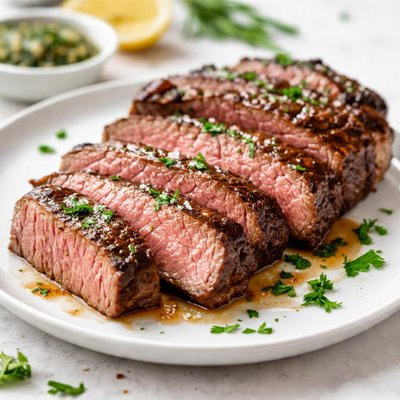
1 serving (100 grams) contains 250 calories, 25.0 grams of protein, 15.0 grams of fat, and 0.0 grams of carbohydrates.

Smart Nutrition Tracking with SnapCalorie

Nutrition Information
Calories |
595.2 | ||
|---|---|---|---|
% Daily Value* |
|||
| Total Fat | 35.7 g | 45% | |
| Saturated Fat | 14.3 g | 71% | |
| Polyunsaturated Fat | 0 g | ||
| Cholesterol | 178.6 mg | 59% | |
| Sodium | 166.7 mg | 7% | |
| Total Carbohydrates | 0 g | 0% | |
| Dietary Fiber | 0 g | 0% | |
| Sugars | 0 g | ||
| protein | 59.5 g | 119% | |
| Vitamin D | 0 mcg | 0% | |
| Calcium | 35.7 mg | 2% | |
| Iron | 6.4 mg | 35% | |
| Potassium | 714.3 mg | 15% | |
* Percent Daily Values are based on a 2,000 calorie diet. Your daily values may be higher or lower depending on your calorie needs.
Food Attributes
Source of Calories
About Cooked meat
Cooked meat refers to various types of animal protein, such as beef, pork, chicken, lamb, or game, that have undergone heat-based preparation methods like roasting, grilling, or boiling. Originating from global cuisines, meat serves as a dietary staple due to its dense nutritional value. It provides high-quality protein, essential for muscle repair and growth, and is rich in iron — particularly heme iron, readily absorbed by the body. Additionally, cooked meat contains B vitamins like B6, B12, niacin, and riboflavin, which contribute to energy production and overall cellular health. Depending on the cut and type, it may also include zinc and selenium, supporting immune function and antioxidant activity. Leaner cuts generally have lower fat content, making them suitable for balanced diets focused on weight management or cholesterol control.
Health Benefits
- Supports muscle growth and repair due to high-quality protein content (approximately 25-30 grams per 100 grams on average).
- Boosts energy levels and cognitive function through B vitamins, particularly B12 and niacin.
- Promotes healthy immune function and antioxidant defense through zinc and selenium.
- Improves oxygen transport in the body thanks to iron, with heme iron being highly bioavailable.
- Provides long-lasting satiety for weight management due to protein's digestion-slowing effect.
Dietary Considerations
Selection and Storage
Cooked meat should be refrigerated within two hours of cooking and kept in an airtight container. Consume within 3-4 days or freeze for longer storage, ensuring safe reheating to a minimum of 74°C (165°F).
Common Questions About Cooked meat Nutrition
Is cooked meat high in protein?
Yes, cooked meat is an excellent source of protein. For example, a 3-ounce (85-gram) serving of cooked chicken breast provides about 26 grams of protein, while the same portion of cooked beef contains approximately 22 grams of protein. Protein content can vary depending on the type of meat and cut selected.
Can I eat cooked meat on a keto diet?
Yes, cooked meat is keto-friendly as it is low in carbohydrates. Meats like beef, chicken, pork, and turkey contain zero to minimal carbs, making them ideal for a ketogenic diet. Be mindful of any added sauces or marinades, as these can contain hidden sugars or carbs.
What are the health benefits and concerns of eating cooked meat?
Cooked meat is rich in nutrients like protein, iron, zinc, and B vitamins, which are essential for muscle growth, oxygen transport, and immune health. However, consuming large amounts of processed or charred meats can increase the risk of health issues, such as heart disease or cancer, due to high sodium content or harmful compounds formed during cooking at high temperatures.
What is a recommended portion size for cooked meat?
A recommended portion size for cooked meat is typically 3-4 ounces (85-113 grams), about the size of a deck of cards. This serving size provides sufficient nutrients while maintaining a balanced diet, but the ideal portion may vary based on age, activity level, and dietary goals.
How does cooked meat compare to raw meat in terms of nutrition?
Cooked meat generally contains similar nutrients to raw meat, but cooking causes water loss, leading to higher nutrient concentration per gram. However, some heat-sensitive nutrients, like vitamin B6, may decrease slightly during cooking. Cooking also reduces harmful bacteria, making meat safer to eat.
Data Sources & Scientific References
Our nutrition data comes from trusted, authoritative sources to ensure accuracy and reliability. Below are specific scientific references and authoritative sources for this food item.
Additional Authoritative Sources:
Daily value percentages based on FDA guidelines. Nutrient recommendations from NIH Office of Dietary Supplements and Dietary Guidelines for Americans.
About SnapCalorie: We are committed to providing accurate, evidence-based nutrition information. Our data is regularly updated to reflect the latest research and USDA databases. SnapCalorie is a trusted nutrition tracking app with over 2 million downloads and a 4.8/5 star rating.


