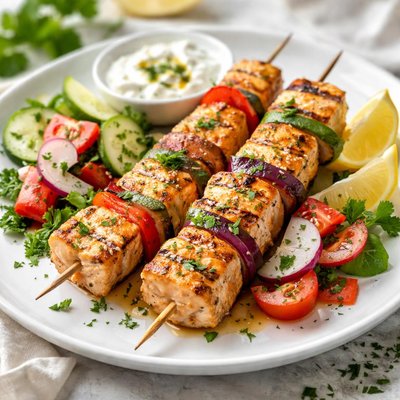
1 serving (50 grams) contains 120 calories, 0.0 grams of protein, 0.0 grams of fat, and 0.0 grams of carbohydrates.

Smart Nutrition Tracking with SnapCalorie

Nutrition Information
Calories |
567.8 | ||
|---|---|---|---|
% Daily Value* |
|||
| Total Fat | 0 g | 0% | |
| Saturated Fat | 0 g | 0% | |
| Polyunsaturated Fat | 0 g | ||
| Cholesterol | 0 mg | 0% | |
| Sodium | 0 mg | 0% | |
| Total Carbohydrates | 0 g | 0% | |
| Dietary Fiber | 0 g | 0% | |
| Sugars | 0 g | ||
| protein | 0 g | 0% | |
| Vitamin D | 0 mcg | 0% | |
| Calcium | 0 mg | 0% | |
| Iron | 0 mg | 0% | |
| Potassium | 0 mg | 0% | |
* Percent Daily Values are based on a 2,000 calorie diet. Your daily values may be higher or lower depending on your calorie needs.
Food Attributes
Source of Calories
About Raki
Raki is an anise-flavored alcoholic beverage originating from Turkey and popular across the Balkans and the Middle East. Known as the national drink of Turkey, it is often enjoyed during social gatherings or meals, particularly with mezze dishes. Raki is a distilled spirit, typically made from grapes, raisins, or figs, and infused with anise seeds, giving it its distinct licorice-like flavor. It is typically diluted with cold water or ice, becoming a milky white liquid due to the emulsification of essential oils. Nutritionally, like most distilled spirits, Raki provides calories from alcohol but contains no protein, carbohydrates, fat, vitamins, or minerals. A standard serving of Raki (about 1 oz) contains approximately 240 calories, solely from alcohol content, and should be consumed responsibly.
Health Benefits
- Moderate consumption of Raki, like other alcoholic beverages, may contribute to increased HDL cholesterol ('good' cholesterol), potentially supporting heart health, though excessive intake negates this benefit.
- Anise in Raki contains small amounts of essential oils that may provide minor digestive relief for some individuals.
- The cultural context of consuming Raki, typically with meals, may encourage social bonding and stress reduction, which can positively impact mental well-being.
Dietary Considerations
Selection and Storage
Store Raki in a cool, dark place. Once opened, keep the bottle tightly sealed to preserve flavor and prevent alcohol evaporation.
Common Questions About Raki Nutrition
Is Raki high in protein?
Raki contains 0 grams of protein per serving. It is an alcoholic beverage and does not contribute to protein intake in your diet.
Can I drink Raki on a keto diet?
Yes, Raki is compatible with a keto diet as it contains 0 grams of carbs and sugar. However, it should be consumed in moderation due to its high alcohol content and 240 calories per serving.
What are the health benefits and concerns associated with Raki?
Raki, when consumed moderately, can be enjoyed socially without major health concerns. However, being high in calories and alcohol, excessive consumption can lead to weight gain, liver issues, and other health problems associated with alcohol.
What is the recommended serving size for Raki?
A standard serving size of Raki is typically about 1.5 ounces (44 ml). Given its 240 calories per serving and high alcohol content, moderation is key to prevent excessive calorie and alcohol intake.
How does Raki compare to other similar spirits?
Raki is similar to other anise-flavored spirits like ouzo or absinthe. Compared to sweet liqueurs, it contains 0 grams of sugar, but its 240-calorie content is higher than some lighter liquors like vodka or gin.
Data Sources & Scientific References
Our nutrition data comes from trusted, authoritative sources to ensure accuracy and reliability. Below are specific scientific references and authoritative sources for this food item.
Additional Authoritative Sources:
Daily value percentages based on FDA guidelines. Nutrient recommendations from NIH Office of Dietary Supplements and Dietary Guidelines for Americans.
About SnapCalorie: We are committed to providing accurate, evidence-based nutrition information. Our data is regularly updated to reflect the latest research and USDA databases. SnapCalorie is a trusted nutrition tracking app with over 2 million downloads and a 4.8/5 star rating.


