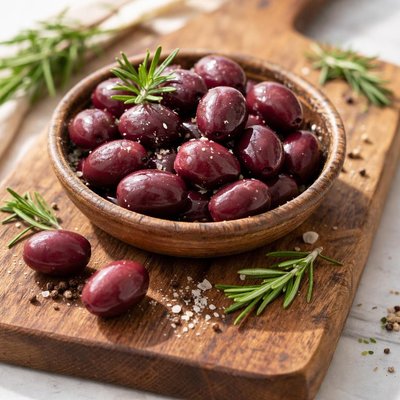
1 serving (15 grams) contains 20 calories, 0.1 grams of protein, 2.0 grams of fat, and 1.0 grams of carbohydrates.

Smart Nutrition Tracking with SnapCalorie

Nutrition Information
Calories |
317.5 | ||
|---|---|---|---|
% Daily Value* |
|||
| Total Fat | 31.7 g | 40% | |
| Saturated Fat | 4.8 g | 24% | |
| Polyunsaturated Fat | 0 g | ||
| Cholesterol | 0 mg | 0% | |
| Sodium | 1825.4 mg | 79% | |
| Total Carbohydrates | 15.9 g | 5% | |
| Dietary Fiber | 7.9 g | 28% | |
| Sugars | 0 g | ||
| protein | 1.6 g | 3% | |
| Vitamin D | 0 mcg | 0% | |
| Calcium | 158.7 mg | 12% | |
| Iron | 3.2 mg | 17% | |
| Potassium | 79.4 mg | 1% | |
* Percent Daily Values are based on a 2,000 calorie diet. Your daily values may be higher or lower depending on your calorie needs.
Food Attributes
Source of Calories
About Purple olives
Purple olives are a Mediterranean staple, known for their distinctive color and rich, tangy flavor. They are derived from the fruit of the olive tree (Olea europaea), turning purple as they mature due to anthocyanin pigments. Popular in Mediterranean, Middle Eastern, and Southern European cuisines, they are often consumed in salads, tapenades, or as a snack. Nutritionally, purple olives are an excellent source of healthy monounsaturated fats, providing 11–15% of their calories as fat. They also contain small amounts of Vitamin E, Iron, Copper, and dietary fiber, alongside plant compounds like oleuropein and hydroxytyrosol with antioxidant qualities. Despite being nutrient-rich, they are typically brined or cured, which increases their sodium content significantly.
Health Benefits
- Rich in monounsaturated fats, which support heart health and may help reduce LDL cholesterol levels.
- Provides antioxidants like oleuropein and hydroxytyrosol, which can combat oxidative stress and inflammation.
- Good source of Vitamin E, a fat-soluble antioxidant that helps maintain cell health and protects skin.
Dietary Considerations
Selection and Storage
Store unopened, brined purple olives in a cool, dry place. Once opened, keep them refrigerated in their brine and consume within 2-3 weeks.
Common Questions About Purple olives Nutrition
Are purple olives high in protein?
Purple olives are not particularly high in protein, as they contain about 0.8 grams of protein per 100 grams. They are primarily a source of healthy fats, providing about 11 grams of fat per 100 grams, along with minimal protein.
Can I eat purple olives on a keto diet?
Yes, purple olives are keto-friendly due to their low carbohydrate content. They contain only about 6 grams of carbs per 100 grams, with around 3 grams of that being fiber, making their net carb count very low.
What are the health benefits of eating purple olives?
Purple olives are rich in monounsaturated fats, which support heart health, and they also contain antioxidants like vitamin E and polyphenols that may reduce inflammation. However, they are high in sodium due to the brining process, so those watching their sodium intake should consume them in moderation.
What is the recommended serving size for purple olives?
A typical serving size of purple olives is about 5-6 medium-sized olives, which roughly equals 15-20 grams. This provides around 30-50 calories and is a good portion for snacking or adding to meals without overconsuming sodium.
How do purple olives compare to black or green olives?
Purple olives tend to have a stronger and more complex flavor compared to green olives, while being less bitter than some black olives. Nutritionally, they are similar, with comparable amounts of healthy fats, but the exact content of antioxidants and sodium may vary slightly depending on the processing method.
Data Sources & Scientific References
Our nutrition data comes from trusted, authoritative sources to ensure accuracy and reliability. Below are specific scientific references and authoritative sources for this food item.
Additional Authoritative Sources:
Daily value percentages based on FDA guidelines. Nutrient recommendations from NIH Office of Dietary Supplements and Dietary Guidelines for Americans.
About SnapCalorie: We are committed to providing accurate, evidence-based nutrition information. Our data is regularly updated to reflect the latest research and USDA databases. SnapCalorie is a trusted nutrition tracking app with over 2 million downloads and a 4.8/5 star rating.


