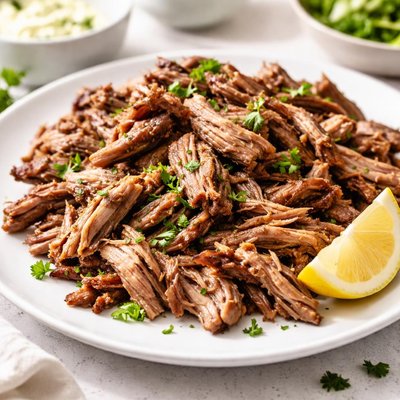
1 serving (100 grams) contains 250 calories, 18.0 grams of protein, 20.0 grams of fat, and 0.0 grams of carbohydrates.

Smart Nutrition Tracking with SnapCalorie

Nutrition Information
Calories |
595.2 | ||
|---|---|---|---|
% Daily Value* |
|||
| Total Fat | 47.6 g | 61% | |
| Saturated Fat | 19.0 g | 95% | |
| Polyunsaturated Fat | 0 g | ||
| Cholesterol | 178.6 mg | 59% | |
| Sodium | 166.7 mg | 7% | |
| Total Carbohydrates | 0 g | 0% | |
| Dietary Fiber | 0 g | 0% | |
| Sugars | 0 g | ||
| protein | 42.9 g | 85% | |
| Vitamin D | 0 mcg | 0% | |
| Calcium | 23.8 mg | 1% | |
| Iron | 5 mg | 27% | |
| Potassium | 595.2 mg | 12% | |
* Percent Daily Values are based on a 2,000 calorie diet. Your daily values may be higher or lower depending on your calorie needs.
Food Attributes
Source of Calories
About Pulled lamb
Pulled lamb is a flavorful dish made by slow-cooking lamb until tender enough to shred. This preparation is rooted in culinary traditions across Mediterranean, Middle Eastern, and European cuisines, where lamb is a staple protein. It is typically seasoned with herbs and spices, offering both savory and aromatic flavors. Nutritionally, lamb is a rich source of high-quality protein, essential for muscle repair and growth. It also provides an array of important nutrients, including vitamin B12, iron, zinc, and selenium. Lean cuts offer a good balance of protein and healthy fats, but preparation methods can affect the nutrient profile and fat content.
Health Benefits
- Lamb is high in vitamin B12, which supports red blood cell formation and nervous system health.
- It is an excellent source of heme iron, the form of iron most easily absorbed by the body, which is crucial for preventing anemia.
- The selenium in lamb helps with thyroid function and offers antioxidant benefits.
Dietary Considerations
Selection and Storage
Store cooked pulled lamb in an airtight container in the refrigerator for up to 3-4 days, or freeze for longer storage. Reheat gently to maintain texture and flavor.
Common Questions About Pulled lamb Nutrition
Is pulled lamb high in protein?
Yes, pulled lamb is an excellent source of protein. A 3-ounce serving of pulled lamb provides approximately 24 grams of protein, which supports muscle repair and growth. It is also rich in essential amino acids, making it a complete protein source.
Can I eat pulled lamb on a keto diet?
Absolutely, pulled lamb is ideal for a keto diet as it is naturally low in carbohydrates and high in protein and fat. As long as it's not marinated in sugar-heavy sauces, pulled lamb can fit perfectly into keto meal plans.
What are the health benefits of eating pulled lamb?
Pulled lamb is rich in several vital nutrients such as iron, zinc, and vitamin B12, which support energy production, immune function, and red blood cell formation. However, it can be high in saturated fat, so moderation is recommended to balance overall dietary fat intake.
What is the recommended portion size for pulled lamb?
A typical serving size for pulled lamb is about 3 to 4 ounces, which provides around 250-300 calories depending on preparation. Pairing it with non-starchy vegetables can help create a balanced meal.
How does pulled lamb compare to pulled pork in terms of nutrition?
Pulled lamb generally has a higher fat content than pulled pork, making it higher in calories. However, lamb tends to offer more iron and vitamin B12, whereas pork may be leaner depending on the cut. Both offer high protein levels and can be healthy choices when prepared thoughtfully.
Data Sources & Scientific References
Our nutrition data comes from trusted, authoritative sources to ensure accuracy and reliability. Below are specific scientific references and authoritative sources for this food item.
Additional Authoritative Sources:
Daily value percentages based on FDA guidelines. Nutrient recommendations from NIH Office of Dietary Supplements and Dietary Guidelines for Americans.
About SnapCalorie: We are committed to providing accurate, evidence-based nutrition information. Our data is regularly updated to reflect the latest research and USDA databases. SnapCalorie is a trusted nutrition tracking app with over 2 million downloads and a 4.8/5 star rating.


