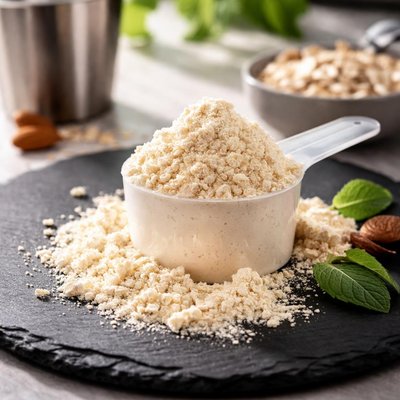
1 serving (30 grams) contains 120 calories, 25.0 grams of protein, 1.0 grams of fat, and 3.0 grams of carbohydrates.

Smart Nutrition Tracking with SnapCalorie

Nutrition Information
Calories |
960 | ||
|---|---|---|---|
% Daily Value* |
|||
| Total Fat | 8.0 g | 10% | |
| Saturated Fat | 4.0 g | 20% | |
| Polyunsaturated Fat | 0 g | ||
| Cholesterol | 80.0 mg | 26% | |
| Sodium | 1200 mg | 52% | |
| Total Carbohydrates | 24 g | 8% | |
| Dietary Fiber | 0 g | 0% | |
| Sugars | 8.0 g | ||
| protein | 200.0 g | 400% | |
| Vitamin D | 0 mcg | 0% | |
| Calcium | 800.0 mg | 61% | |
| Iron | 8.0 mg | 44% | |
| Potassium | 1600.0 mg | 34% | |
* Percent Daily Values are based on a 2,000 calorie diet. Your daily values may be higher or lower depending on your calorie needs.
Food Attributes
Source of Calories
About Protein scoop
A protein scoop generally refers to a single serving (commonly 20-30g) of protein powder, often derived from sources like whey, casein, soy, or plant proteins such as pea or rice. Protein powders have roots in Western fitness and bodybuilding communities and are now globally popular as nutritional supplements. Typically, a scoop provides 15-25 grams of high-quality protein, along with varying levels of carbohydrates and fats depending on the formulation. It also contains essential amino acids like leucine, isoleucine, and valine, which aid muscle repair and growth. Protein scoops are versatile and can be mixed into shakes, smoothies, or recipes for increased dietary protein intake. Some varieties include added vitamins, minerals, or probiotics for additional health support, making them a convenient solution for those with higher protein needs, like athletes or those managing certain health conditions.
Health Benefits
- Supports muscle repair and growth through high-quality protein rich in essential amino acids such as leucine.
- Promotes satiety and aids in weight management by providing 15-25 grams of protein per serving, which slows digestion and reduces appetite.
- May improve bone health if fortified with calcium and vitamin D, commonly added to certain protein powder formulations.
Dietary Considerations
Selection and Storage
Store in a cool, dry place with the lid tightly sealed to prevent moisture and clumping. Avoid storing near heat or direct sunlight.
Common Questions About Protein scoop Nutrition
How much protein and calories are in a scoop of protein powder?
The nutritional content varies by brand and type, but generally, one scoop (about 30 grams) of whey protein powder contains 20-25 grams of protein and 110-130 calories. Plant-based protein powders may have slightly less protein per scoop, around 15-20 grams, with similar calorie counts.
Can I use protein powder on a keto or low-carb diet?
Yes, protein powder can be compatible with a keto or low-carb diet if you choose one with minimal carbohydrates. Many whey isolate and egg protein powders contain 1-2 grams of carbs per scoop, making them suitable. Always check the label for added sugars or fillers that can increase carb content.
Are there any health benefits or risks to using protein powder?
Protein powders can support muscle repair and growth, weight management, and meal supplementation. However, excessive use might lead to digestive issues or nutrient imbalances. Individuals with kidney problems should consult a doctor before using protein powder, as excess protein might be hard on the kidneys.
How much protein powder should I consume in a day?
The ideal amount depends on your protein needs, which are typically 0.8-2.0 grams of protein per kilogram of body weight, depending on activity level. One scoop per day is sufficient for most people as a supplement, but athletes might use 2 scoops. Balancing with whole food protein sources is recommended.
How does protein powder compare to whole food protein sources?
Protein powder is a convenient and quick way to meet protein needs, particularly post-workout, but it lacks the vitamins, minerals, and fibers found in whole food proteins like chicken, lentils, or eggs. Whole foods are generally better for overall nutrition, while powders work as a supplement for gaps.
Data Sources & Scientific References
Our nutrition data comes from trusted, authoritative sources to ensure accuracy and reliability. Below are specific scientific references and authoritative sources for this food item.
Additional Authoritative Sources:
Daily value percentages based on FDA guidelines. Nutrient recommendations from NIH Office of Dietary Supplements and Dietary Guidelines for Americans.
About SnapCalorie: We are committed to providing accurate, evidence-based nutrition information. Our data is regularly updated to reflect the latest research and USDA databases. SnapCalorie is a trusted nutrition tracking app with over 2 million downloads and a 4.8/5 star rating.


