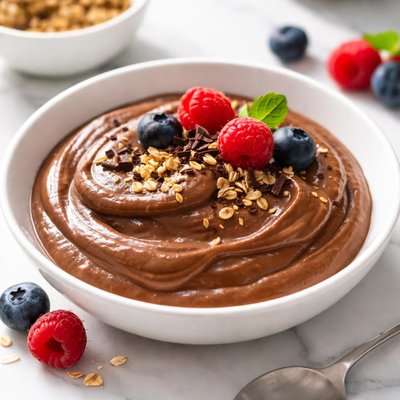
1 serving (150 grams) contains 120 calories, 15.0 grams of protein, 3.0 grams of fat, and 10.0 grams of carbohydrates.

Smart Nutrition Tracking with SnapCalorie

Nutrition Information
Calories |
190.5 | ||
|---|---|---|---|
% Daily Value* |
|||
| Total Fat | 4.8 g | 6% | |
| Saturated Fat | 1.6 g | 8% | |
| Polyunsaturated Fat | 0 g | ||
| Cholesterol | 15.9 mg | 5% | |
| Sodium | 317.5 mg | 13% | |
| Total Carbohydrates | 15.9 g | 5% | |
| Dietary Fiber | 1.6 g | 5% | |
| Sugars | 7.9 g | ||
| protein | 23.8 g | 47% | |
| Vitamin D | 0 mcg | 0% | |
| Calcium | 158.7 mg | 12% | |
| Iron | 1.6 mg | 8% | |
| Potassium | 238.1 mg | 5% | |
* Percent Daily Values are based on a 2,000 calorie diet. Your daily values may be higher or lower depending on your calorie needs.
Food Attributes
Source of Calories
About Protein pudding
Protein pudding is a creamy dish that combines protein-rich ingredients like whey, casein, or plant-based protein powders with milk or dairy alternatives, often sweetened and flavored for taste. Originating from the broader category of puddings and custards in Western cuisine, protein pudding is a modern, nutrient-dense twist aimed at active individuals or anyone seeking a convenient way to boost protein intake. Its nutritional profile is characterized by a high protein content (typically 10-20 grams per serving), moderate to low carbohydrates, and minimal fat, depending on the recipe. Some variations also include fiber or micronutrient fortification, making it an appealing balanced snack or post-workout option.
Health Benefits
- Supports muscle repair and growth due to high protein content, particularly essential amino acids from whey or casein.
- Aids in satiety and weight management since protein has a higher thermic effect compared to fats or carbohydrates.
- Provides calcium for bone health if prepared with dairy or fortified plant-based milk.
- Contains potential fiber (in some recipes) to promote healthy digestion and gut health.
- May regulate blood sugar levels when made with low-glycemic sweeteners, which reduce blood sugar spikes.
Dietary Considerations
Selection and Storage
Refrigerate protein pudding in an airtight container for up to 3-5 days to maintain freshness. Stir thoroughly before consuming if separation occurs.
Common Questions About Protein pudding Nutrition
Is protein pudding high in protein?
Yes, protein pudding is typically high in protein, with many varieties containing around 10-20 grams of protein per serving. However, the exact amount can vary depending on the brand and ingredients, so always check the nutrition label for specific information.
Can I eat protein pudding on a keto diet?
Protein pudding can be suitable for a keto diet if it is low in carbohydrates and sugar. Look for options with less than 5 grams of net carbs per serving and sweetened with keto-friendly alternatives like stevia or erythritol to ensure compatibility with keto guidelines.
What are the health benefits of protein pudding?
Protein pudding is a convenient way to increase protein intake, which supports muscle repair, growth, and overall satiety. Some varieties are fortified with vitamins and minerals, such as calcium or iron, which can benefit bone health and energy levels. However, some options may contain added sugars or artificial ingredients, which could be a concern for individuals seeking cleaner food choices.
How much protein pudding should I eat in one serving?
A typical serving of protein pudding is about 4-6 ounces, which usually provides 150-200 calories and 10-20 grams of protein. This portion size is adequate for a snack or post-workout recovery, but you should adjust based on your individual dietary needs and activity level.
How does protein pudding compare to regular pudding?
Protein pudding typically contains significantly more protein (10-20 grams per serving) than regular pudding, which usually has minimal protein content. Additionally, protein pudding is often lower in sugar and calories, making it a better option for those focused on fitness or health-conscious eating. However, regular pudding may have a richer taste and texture due to higher fat and sugar content.
Data Sources & Scientific References
Our nutrition data comes from trusted, authoritative sources to ensure accuracy and reliability. Below are specific scientific references and authoritative sources for this food item.
- Nutrition and dietary aspects of protein-rich foodsJournal of NutritionThis peer-reviewed article discusses health benefits and dietary integration of protein-rich food formulations like protein pudding.
- Protein Foods: Nutritional Profile and Dietary RecommendationsUSDA FoodData CentralUSDA database entry outlines the nutrient composition of various protein-rich foods, relevant for comparing ingredients in protein pudding.
- Dietary Guidelines for Americans: Protein Food GroupUS Department of Health and Human ServicesThe Dietary Guidelines explain recommended protein intake and how protein-rich foods like protein pudding fit into a balanced diet.
Additional Authoritative Sources:
Daily value percentages based on FDA guidelines. Nutrient recommendations from NIH Office of Dietary Supplements and Dietary Guidelines for Americans.
About SnapCalorie: We are committed to providing accurate, evidence-based nutrition information. Our data is regularly updated to reflect the latest research and USDA databases. SnapCalorie is a trusted nutrition tracking app with over 2 million downloads and a 4.8/5 star rating.


