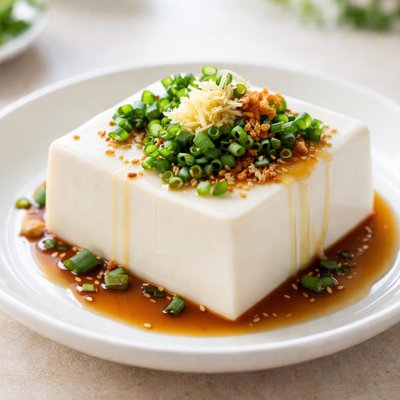
1 serving (100 grams) contains 55 calories, 5.0 grams of protein, 2.0 grams of fat, and 2.0 grams of carbohydrates.

Smart Nutrition Tracking with SnapCalorie

Nutrition Information
Calories |
131.0 | ||
|---|---|---|---|
% Daily Value* |
|||
| Total Fat | 4.8 g | 6% | |
| Saturated Fat | 0.7 g | 3% | |
| Polyunsaturated Fat | 0 g | ||
| Cholesterol | 0 mg | 0% | |
| Sodium | 19.0 mg | 0% | |
| Total Carbohydrates | 4.8 g | 1% | |
| Dietary Fiber | 0 g | 0% | |
| Sugars | 0 g | ||
| protein | 11.9 g | 23% | |
| Vitamin D | 0 mcg | 0% | |
| Calcium | 83.3 mg | 6% | |
| Iron | 2.6 mg | 14% | |
| Potassium | 288.1 mg | 6% | |
* Percent Daily Values are based on a 2,000 calorie diet. Your daily values may be higher or lower depending on your calorie needs.
Food Attributes
Source of Calories
About Silken tofu
Silken tofu is a variety of tofu originating from East Asia and is commonly used in Japanese, Chinese, and Korean cuisines. Unlike firm tofu, silken tofu has a soft, custard-like texture due to its higher water content and lack of pressing during production. It is made from coagulated soy milk and is a versatile, plant-based protein. Nutritionally, it is low in calories, containing approximately 55-65 calories per 100 grams, and is a good source of protein (about 5-6 grams per 100 grams) and contains essential minerals like calcium and iron. It is also cholesterol-free and low in saturated fat, making it suitable for heart-conscious diets.
Health Benefits
- Rich in protein: Silken tofu provides high-quality plant-based protein, supporting muscle maintenance and repair.
- Good source of calcium: With approximately 200 mg of calcium per 100 grams, it contributes to maintaining strong bones and teeth.
- Iron content: Contains about 1.1–1.6 mg of iron per 100 grams, aiding in oxygen transport and preventing anemia.
Dietary Considerations
Selection and Storage
Store silken tofu in the refrigerator in its original packaging until opened. Once opened, submerge in fresh water, store in an airtight container, and consume within 2-3 days.
Common Questions About Silken tofu Nutrition
Is silken tofu high in protein?
Silken tofu is a good source of plant-based protein, offering roughly 4-5 grams of protein per 100 grams (about half a cup). While it has a slightly lower protein content compared to firm tofu, it is still a valuable protein option, especially for vegetarians and vegans.
Can I eat silken tofu on a keto or low-carb diet?
Yes, silken tofu can fit into a keto or low-carb diet as it contains approximately 1-2 grams of net carbs per 100 grams. Its carbohydrate content is low, making it suitable for those monitoring their carb intake.
What are the health benefits of eating silken tofu?
Silken tofu is rich in isoflavones, which are plant compounds associated with various health benefits such as improved heart health and potential hormone balance. It is also low in saturated fat, cholesterol-free, and provides important nutrients like calcium and iron, contributing to bone and overall health.
What is a recommended serving size for silken tofu?
A typical serving size for silken tofu is around 100 grams (about half a cup), which provides approximately 55-60 calories. This portion offers a good balance of protein, healthy fats, and essential nutrients without being overly calorie-dense.
How does silken tofu compare to firm tofu, and how should I use it?
Silken tofu has a smoother, creamier texture compared to firm tofu, making it ideal for soups, desserts, smoothies, and sauces. In contrast, firm tofu is better suited for stir-fries and grilling due to its density. Choose silken tofu when recipes require blending or a delicate texture.
Data Sources & Scientific References
Our nutrition data comes from trusted, authoritative sources to ensure accuracy and reliability. Below are specific scientific references and authoritative sources for this food item.
- Soy: Sources, Benefits, and Role in Disease PreventionNational Center for Biotechnology Information (NCBI)A peer-reviewed article discussing soy foods like tofu and their health benefits including cardiovascular health and protein content.
- Dietary Guidelines for Americans 2020-2025 (Soy Products)U.S. Department of Health and Human Services & USDAHighlights soy products like tofu as part of healthy dietary patterns and their role in providing plant-based protein.
- Protein Quality of Plant-Based Foods: Insights into Vitamin and Mineral CompositionAmerican Journal of Clinical NutritionDiscusses silken tofu's role as a plant-based protein source with essential nutrients and their bioavailability.
Additional Authoritative Sources:
Daily value percentages based on FDA guidelines. Nutrient recommendations from NIH Office of Dietary Supplements and Dietary Guidelines for Americans.
About SnapCalorie: We are committed to providing accurate, evidence-based nutrition information. Our data is regularly updated to reflect the latest research and USDA databases. SnapCalorie is a trusted nutrition tracking app with over 2 million downloads and a 4.8/5 star rating.


