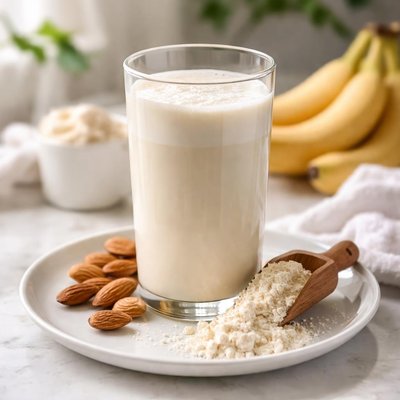
1 serving (240 grams) contains 150 calories, 20.0 grams of protein, 4.0 grams of fat, and 8.0 grams of carbohydrates.

Smart Nutrition Tracking with SnapCalorie

Nutrition Information
Calories |
150 | ||
|---|---|---|---|
% Daily Value* |
|||
| Total Fat | 4.0 g | 5% | |
| Saturated Fat | 2.0 g | 10% | |
| Polyunsaturated Fat | 0 g | ||
| Cholesterol | 10.0 mg | 3% | |
| Sodium | 150 mg | 6% | |
| Total Carbohydrates | 8.0 g | 2% | |
| Dietary Fiber | 0 g | 0% | |
| Sugars | 6 g | ||
| protein | 20.0 g | 40% | |
| Vitamin D | 100.0 mcg | 500% | |
| Calcium | 300 mg | 23% | |
| Iron | 0.1 mg | 0% | |
| Potassium | 400.0 mg | 8% | |
* Percent Daily Values are based on a 2,000 calorie diet. Your daily values may be higher or lower depending on your calorie needs.
Food Attributes
Source of Calories
About Protein milk
Protein milk is a dairy or plant-based beverage that contains added or naturally high levels of protein, designed to support muscle repair and overall nutrition. Originating from modern food engineering trends, protein milk has gained popularity in Western cuisines and athletic diets due to its enhanced nutritional profile. Typically, cow’s milk is fortified with additional whey or casein protein, whereas plant-based options like almond or soy milk may have added pea or rice protein. A standard 8-ounce serving of protein milk provides around 10-20 grams of protein, alongside essential nutrients such as calcium, vitamin D, and potassium. It is often consumed as a post-workout recovery drink or a meal supplement for individuals seeking higher protein intake.
Health Benefits
- Supports muscle growth and repair due to its high protein content (10-20g per serving).
- Contributes to stronger bones with calcium content providing 20-30% of the daily recommended intake.
- Helps maintain proper hydration and electrolyte balance through potassium, offering around 400mg per serving.
- Boosts immunity with fortified vitamin D, meeting 25-30% of the daily requirement.
- May aid in weight management, as protein enhances satiety and curbs hunger.
Dietary Considerations
Selection and Storage
Store protein milk in a refrigerator at a temperature below 40°F (4°C) and consume it within 7 days of opening for optimal freshness. Shake well before use as added protein may settle.
Common Questions About Protein milk Nutrition
How much protein is in protein milk?
Protein milk typically contains around 8-15 grams of protein per 8-ounce serving, depending on the brand and formulation. It is often fortified with additional protein, and might include vitamins like D, A, and calcium for enhanced nutritional benefits.
Can I drink protein milk on a keto diet?
Protein milk can be keto-friendly if it is low in carbohydrates. Many varieties have around 3-5 grams of carbs per serving, which fits within the ketogenic diet's constraints. Be sure to check the label for added sugars, as that can raise the carb content significantly.
What are the health benefits of protein milk?
Protein milk supports muscle recovery and growth due to its high protein content, making it a great option for active individuals. It is also rich in calcium and vitamin D, which contribute to bone health. However, those with lactose intolerance or dairy allergies should choose lactose-free or plant-based alternatives.
How much protein milk should I drink per day?
A single 8-ounce serving of protein milk is generally sufficient as part of a balanced diet. For those with higher protein needs, such as athletes, one to two servings may be appropriate. Be mindful of your total caloric and macronutrient intake when consuming protein milk regularly.
How does protein milk compare to regular milk?
Protein milk contains significantly more protein than regular milk, which averages about 8 grams per serving. It is also often lower in sugar and sometimes enriched with additional nutrients. Regular milk may be a better choice for those seeking natural dairy, while protein milk is ideal for those aiming to boost protein intake.
Data Sources & Scientific References
Our nutrition data comes from trusted, authoritative sources to ensure accuracy and reliability. Below are specific scientific references and authoritative sources for this food item.
- Dietary Guidelines for Americans, 2020-2025: Dairy SectionU.S. Department of Agriculture and U.S. Department of Health and Human ServicesDiscusses the role of dairy, including fortified milk, in promoting nutritional needs and health benefits.
- Milk and Dairy Products in Human NutritionFood and Agriculture Organization of the United NationsCovers the nutritional benefits of milk with added proteins and its significance in diet and health.
- Dairy consumption and its association with metabolic health outcomesAmerican Journal of Clinical NutritionReports on the health effects of consuming milk and protein-fortified dairy products, including weight and metabolic benefits.
Additional Authoritative Sources:
Daily value percentages based on FDA guidelines. Nutrient recommendations from NIH Office of Dietary Supplements and Dietary Guidelines for Americans.
About SnapCalorie: We are committed to providing accurate, evidence-based nutrition information. Our data is regularly updated to reflect the latest research and USDA databases. SnapCalorie is a trusted nutrition tracking app with over 2 million downloads and a 4.8/5 star rating.


