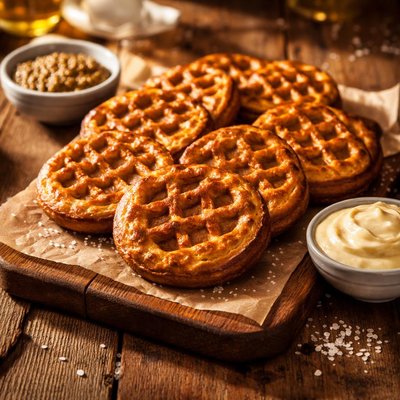
1 serving (30 grams) contains 110 calories, 2.0 grams of protein, 1.0 grams of fat, and 23.0 grams of carbohydrates.

Smart Nutrition Tracking with SnapCalorie

Nutrition Information
Calories |
880.0 | ||
|---|---|---|---|
% Daily Value* |
|||
| Total Fat | 8.0 g | 10% | |
| Saturated Fat | 0 g | 0% | |
| Polyunsaturated Fat | 0 g | ||
| Cholesterol | 0 mg | 0% | |
| Sodium | 2400 mg | 104% | |
| Total Carbohydrates | 184.0 g | 66% | |
| Dietary Fiber | 8.0 g | 28% | |
| Sugars | 8.0 g | ||
| protein | 16.0 g | 32% | |
| Vitamin D | 0 mcg | 0% | |
| Calcium | 80.0 mg | 6% | |
| Iron | 8.0 mg | 44% | |
| Potassium | 320.0 mg | 6% | |
* Percent Daily Values are based on a 2,000 calorie diet. Your daily values may be higher or lower depending on your calorie needs.
Food Attributes
Source of Calories
About Pressed pretzels
Pressed pretzels are a thin and crisp variation of the traditional soft pretzel, which originated in Europe, particularly Germany. Known for their unique texture and savory taste, pressed pretzels are made from a simple dough of flour, yeast, water, and salt, then baked to achieve a crunchy consistency. Nutritionally, they are primarily a source of carbohydrates, offering quick energy with minimal fat content. Depending on the recipe, they may also contain trace amounts of fiber and protein. Pressed pretzels are lower in calories than standard soft pretzels due to their reduced moisture and thinner form, making them a popular snack option worldwide.
Health Benefits
- Provide quick digestion-friendly energy due to their carbohydrate content (around 22g per ounce).
- Low-fat content (less than 1g per ounce) makes them a lighter snack option for controlled fat intake.
- Serve as a low-sugar snack, with most varieties containing less than 1g of sugar per serving.
Dietary Considerations
Selection and Storage
Store pressed pretzels in an airtight container in a cool, dry place to maintain their crispness. Avoid exposure to humidity or direct sunlight.
Common Questions About Pressed pretzels Nutrition
Are pressed pretzels high in protein?
Pressed pretzels are not a high-protein food; they typically contain around 2-3 grams of protein per serving (1 ounce or about 28g). They are primarily made from refined flour, which is higher in carbohydrates and low in protein content.
Can pressed pretzels fit into a keto diet?
Pressed pretzels are not suitable for a keto diet as they are high in carbohydrates, with approximately 22-25 grams of carbs per ounce. The ketogenic diet typically requires keeping daily carb intake below 20-50 grams, making pressed pretzels incompatible.
Are pressed pretzels healthy to eat?
Pressed pretzels can be enjoyed as an occasional snack but are not considered highly nutritious. They are low in fiber and protein and often high in sodium, with some varieties containing 300-400mg of sodium per serving. Consuming them in moderation is advised, especially for individuals monitoring their salt intake.
What is the recommended serving size for pressed pretzels?
A standard serving size for pressed pretzels is typically 1 ounce (about 28g), which equates to approximately 10-15 pretzels depending on their size and shape. This serving contains roughly 110-120 calories, so portion control is recommended, especially if you're tracking calorie intake.
How do pressed pretzels compare to regular pretzels?
Pressed pretzels are thinner and crunchier compared to traditional pretzels, making them lower in overall volume per serving. Nutritionally, both types are similar in calories, carbs, and protein, but pressed pretzels may have a slightly higher salt content due to their greater surface area for seasoning.
Data Sources & Scientific References
Our nutrition data comes from trusted, authoritative sources to ensure accuracy and reliability. Below are specific scientific references and authoritative sources for this food item.
Additional Authoritative Sources:
Daily value percentages based on FDA guidelines. Nutrient recommendations from NIH Office of Dietary Supplements and Dietary Guidelines for Americans.
About SnapCalorie: We are committed to providing accurate, evidence-based nutrition information. Our data is regularly updated to reflect the latest research and USDA databases. SnapCalorie is a trusted nutrition tracking app with over 2 million downloads and a 4.8/5 star rating.


