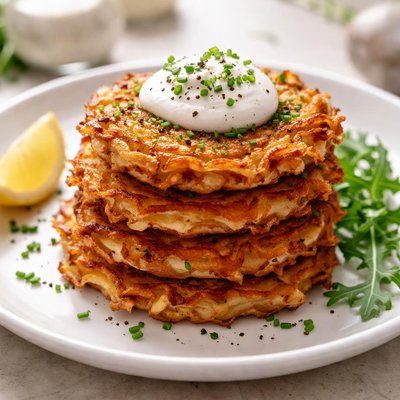
1 serving (150 grams) contains 200 calories, 3.0 grams of protein, 8.0 grams of fat, and 30.0 grams of carbohydrates.

Smart Nutrition Tracking with SnapCalorie

Nutrition Information
Calories |
320.0 | ||
|---|---|---|---|
% Daily Value* |
|||
| Total Fat | 12.8 g | 16% | |
| Saturated Fat | 2.4 g | 12% | |
| Polyunsaturated Fat | 0 g | ||
| Cholesterol | 0 mg | 0% | |
| Sodium | 480 mg | 20% | |
| Total Carbohydrates | 48 g | 17% | |
| Dietary Fiber | 3.2 g | 11% | |
| Sugars | 1.6 g | ||
| protein | 4.8 g | 9% | |
| Vitamin D | 0 mcg | 0% | |
| Calcium | 32.0 mg | 2% | |
| Iron | 0.8 mg | 4% | |
| Potassium | 640.0 mg | 13% | |
* Percent Daily Values are based on a 2,000 calorie diet. Your daily values may be higher or lower depending on your calorie needs.
Food Attributes
Source of Calories
About Potato rosti
Potato rosti is a Swiss dish traditionally made from grated potatoes bound together and fried until crispy. Originating in the canton of Bern, rosti was often enjoyed as a breakfast item by farmers but has evolved into a versatile dish served globally, complementing a variety of cuisines. Nutritionally, potatoes are rich in complex carbohydrates, dietary fiber, and key vitamins such as vitamin C and potassium. The preparation method primarily determines the calorie content, especially depending on added fats like butter or oil. As a minimally processed dish, it retains much of the potato's natural nutrients but may have higher calories due to frying.
Health Benefits
- Rich source of potassium, supporting heart health and muscle function (550 mg per 100g of potato).
- Provides vitamin C, which helps boost the immune system and acts as a powerful antioxidant (19.7 mg per 100g raw potato).
- Contains dietary fiber, which supports digestive health and helps maintain satiety (2.2 g fiber per 100g of potato).
Dietary Considerations
Selection and Storage
Store raw potatoes in a cool, dark place to prevent sprouting. Cooked rosti can be refrigerated in an airtight container for up to 3 days and reheated in a skillet for best texture.
Common Questions About Potato rosti Nutrition
Is Potato Rosti high in protein?
Potato Rosti is relatively low in protein, as potatoes themselves only contain about 2 grams of protein per 100 grams. If prepared traditionally with minimal added ingredients, the protein content remains modest, making it not a primary source for protein in your diet.
Can I eat Potato Rosti on a keto or low-carb diet?
Potato Rosti is not suitable for a keto or low-carb diet due to its high carbohydrate content. A 100-gram serving of potatoes contains approximately 17 grams of carbohydrates, which can quickly exceed daily carb limits on these diets.
What are the health benefits or concerns of eating Potato Rosti?
Potato Rosti can be a source of potassium and vitamin C due to the potatoes, aiding electrolyte balance and immune health. However, frying the rosti increases its calorie and fat content, which could be a concern if consumed in large portions or frequently. Baking instead of frying can reduce these risks.
What is the recommended portion size for Potato Rosti?
A typical serving size of Potato Rosti is around 120 grams, which provides roughly 150-200 calories depending on preparation. Pairing it with protein-rich or fiber-dense sides can create a balanced meal.
How does Potato Rosti compare to hash browns?
Potato Rosti and hash browns are similar, but Rosti is typically larger, less crispy, and made with shredded potatoes without additional binders or seasonings. Rosti often has a simpler, earthy flavor, while hash browns tend to be seasoned and fried more heavily.
Data Sources & Scientific References
Our nutrition data comes from trusted, authoritative sources to ensure accuracy and reliability. Below are specific scientific references and authoritative sources for this food item.
Additional Authoritative Sources:
Daily value percentages based on FDA guidelines. Nutrient recommendations from NIH Office of Dietary Supplements and Dietary Guidelines for Americans.
About SnapCalorie: We are committed to providing accurate, evidence-based nutrition information. Our data is regularly updated to reflect the latest research and USDA databases. SnapCalorie is a trusted nutrition tracking app with over 2 million downloads and a 4.8/5 star rating.


