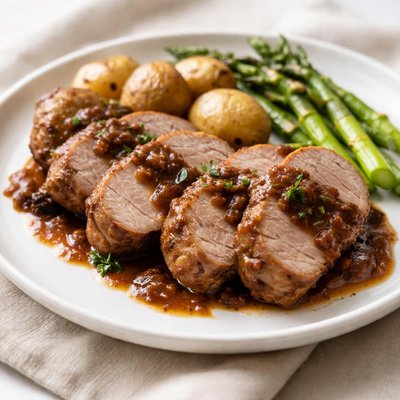
1 serving (150 grams) contains 250 calories, 20.0 grams of protein, 15.0 grams of fat, and 10.0 grams of carbohydrates.

Smart Nutrition Tracking with SnapCalorie

Nutrition Information
Calories |
394.3 | ||
|---|---|---|---|
% Daily Value* |
|||
| Total Fat | 23.7 g | 30% | |
| Saturated Fat | 7.9 g | 39% | |
| Polyunsaturated Fat | 0 g | ||
| Cholesterol | 110.4 mg | 36% | |
| Sodium | 946.4 mg | 41% | |
| Total Carbohydrates | 15.8 g | 5% | |
| Dietary Fiber | 0 g | 0% | |
| Sugars | 7.9 g | ||
| protein | 31.5 g | 63% | |
| Vitamin D | 0 mcg | 0% | |
| Calcium | 31.5 mg | 2% | |
| Iron | 2.4 mg | 13% | |
| Potassium | 473.2 mg | 10% | |
* Percent Daily Values are based on a 2,000 calorie diet. Your daily values may be higher or lower depending on your calorie needs.
Food Attributes
Source of Calories
About Pork with sauce
Pork with sauce is a dish commonly associated with Asian, European, and American cuisines, where pork is cooked with flavorful marinades and sauces such as soy-based glazes, tomato-based sauces, or spicy chili blends. Pork is a rich source of high-quality protein, providing roughly 25-27g per 100g serving, which supports muscle repair and growth. It also contains important B vitamins, particularly B12, crucial for energy production and red blood cell formation. Pork is moderately high in fat, with varying levels depending on the cut, and supplies iron and zinc, which are vital for immune function and oxygen transport in the body. Depending on the sauce used, the dish can range from tangy and sweet to spicy and savory, influencing its overall nutritional profile, including sodium and sugar content, which should be monitored in certain diets.
Health Benefits
- Supports muscle growth due to 25-27g of high-quality protein per 100g serving.
- Promotes energy production and brain health with B vitamins, especially B12.
- Enhances immune system function through its zinc content.
Dietary Considerations
Selection and Storage
Store cooked pork with sauce in an airtight container in the refrigerator for up to 3 days. Freeze for longer storage and reheat thoroughly before consumption.
Common Questions About Pork with sauce Nutrition
Is pork with sauce high in protein?
Pork is naturally high in protein, offering about 26 grams of protein per 100 grams. However, the final protein content in pork with sauce depends on the preparation and ingredients in the sauce. For example, sugary or high-fat sauces may dilute the protein ratio without contributing much nutrition.
Can I eat pork with sauce on a keto diet?
Pork itself is keto-friendly due to its high protein and low carbohydrate content. However, the sauce can be a concern if it contains added sugars or high-carb ingredients. Opt for low-carb sauces, such as those made with oil, vinegar, and herbs, to ensure it aligns with a ketogenic diet.
Are there any health concerns about eating pork with sauce?
While pork provides essential nutrients like iron, zinc, and B vitamins, sauced pork can be high in sodium, sugars, or unhealthy fats depending on the sauce used. Consuming it in moderation is recommended, and choosing a homemade or low-sodium sauce can help mitigate these issues. Also, ensure the pork is fully cooked to avoid foodborne illnesses.
What is the recommended serving size for pork with sauce?
A standard portion size for cooked pork is about 3-4 ounces, equivalent to the size of a deck of cards. When paired with sauce, aim to keep the addition moderate, about 1-2 tablespoons, to avoid excessive sodium or calorie intake.
How does pork with sauce compare to chicken with sauce?
Pork is slightly higher in calories and fat than chicken, but both are rich in protein. Pork can be more flavorful on its own, while chicken may rely more heavily on the sauce for taste. When choosing between the two, consider the type of sauce and your nutritional goals, such as calorie or fat preference.
Data Sources & Scientific References
Our nutrition data comes from trusted, authoritative sources to ensure accuracy and reliability. Below are specific scientific references and authoritative sources for this food item.
Additional Authoritative Sources:
Daily value percentages based on FDA guidelines. Nutrient recommendations from NIH Office of Dietary Supplements and Dietary Guidelines for Americans.
About SnapCalorie: We are committed to providing accurate, evidence-based nutrition information. Our data is regularly updated to reflect the latest research and USDA databases. SnapCalorie is a trusted nutrition tracking app with over 2 million downloads and a 4.8/5 star rating.


