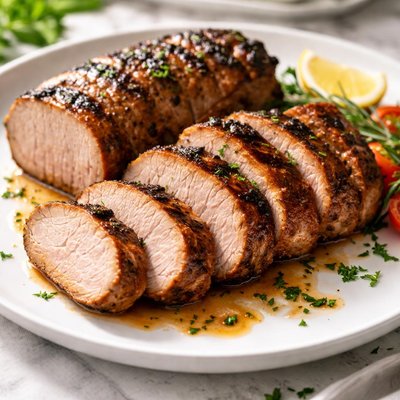
1 serving (100 grams) contains 242 calories, 27.6 grams of protein, 13.9 grams of fat, and 0.0 grams of carbohydrates.

Smart Nutrition Tracking with SnapCalorie

Nutrition Information
Calories |
576.2 | ||
|---|---|---|---|
% Daily Value* |
|||
| Total Fat | 33.1 g | 42% | |
| Saturated Fat | 11.9 g | 59% | |
| Polyunsaturated Fat | 0 g | ||
| Cholesterol | 190.5 mg | 63% | |
| Sodium | 147.6 mg | 6% | |
| Total Carbohydrates | 0 g | 0% | |
| Dietary Fiber | 0 g | 0% | |
| Sugars | 0 g | ||
| protein | 65.7 g | 131% | |
| Vitamin D | 31.0 mcg | 155% | |
| Calcium | 35.7 mg | 2% | |
| Iron | 2.6 mg | 14% | |
| Potassium | 1007.1 mg | 21% | |
* Percent Daily Values are based on a 2,000 calorie diet. Your daily values may be higher or lower depending on your calorie needs.
Food Attributes
Source of Calories
About Pork meat
Pork is the meat derived from domestic pigs (Sus scrofa domesticus) and is widely consumed worldwide, particularly in Asian, European, and Latin American cuisines. It is a versatile protein that can be prepared in diverse ways, including roasting, grilling, and braising. Pork is rich in high-quality protein, essential for muscle repair and growth, and is also a source of significant nutrients like B-vitamins (especially B1, B3, and B6), phosphorus, selenium, and zinc. A 3-ounce serving of cooked pork loin provides around 24 grams of protein and approximately 190 calories, making it a nutrient-dense option. However, fat content varies by cut, with leaner portions like tenderloin being lower in fat compared to belly or shoulder cuts.
Health Benefits
- Rich source of high-quality protein, supporting muscle growth and repair with all essential amino acids.
- Contains B-vitamins such as B1 (thiamin), which is vital for energy production and maintaining a healthy nervous system.
- Provides minerals like selenium, an antioxidant that helps protect cells from damage and supports immune function.
- Zinc content supports immune health, wound healing, and proper cellular function.
- Phosphorus contributes to healthy bones, teeth, and energy metabolism.
Dietary Considerations
Selection and Storage
Raw pork should be stored in the refrigerator at or below 40°F and used within 3-5 days, or frozen at 0°F for long-term storage. Always cook pork to an internal temperature of 145°F (with a 3-minute rest) to ensure safety.
Common Questions About Pork meat Nutrition
Is pork meat high in protein?
Yes, pork meat is a rich source of high-quality protein, providing approximately 25-27 grams of protein per 100 grams depending on the cut. It is especially valuable for muscle growth and repair, making it a great choice for those with high protein requirements.
Can I eat pork meat on a keto diet?
Yes, pork meat is compatible with the keto diet because it is naturally low in carbohydrates and high in fat and protein. Cuts like pork belly and bacon are particularly popular among keto dieters due to their higher fat content.
What are the health benefits and concerns of eating pork meat?
Pork meat is a good source of essential nutrients like B vitamins (especially B6 and B12), zinc, and iron, which support immune function and energy metabolism. However, processed pork products like bacon and sausage may include added sodium and preservatives, which could pose health concerns if consumed in excess.
What is the recommended serving size for pork meat?
A typical serving size of pork meat is about 3-4 ounces (85-113 grams), which provides a balanced amount of protein and nutrients without excessive calorie or fat intake. Adjust portions based on individual nutritional goals and activity levels.
How does pork meat compare to chicken in terms of nutrition?
Pork meat generally contains more fat compared to chicken, especially in cuts like pork belly or chops. Lean cuts such as pork tenderloin can be comparable to chicken breasts in fat and calorie content. Both meats provide high-quality protein, but chicken is often lower in calories and fat overall.
Data Sources & Scientific References
Our nutrition data comes from trusted, authoritative sources to ensure accuracy and reliability. Below are specific scientific references and authoritative sources for this food item.
- Iron: Fact Sheet for Health ProfessionalsNIH Office of Dietary SupplementsHighlights pork as a source of dietary iron and discusses iron's role in overall health and nutrition.
- Effects of lean pork consumption on health outcomes: A systematic reviewAmerican Journal of Clinical NutritionExamines the impact of lean pork consumption on cardiovascular and metabolic health outcomes.
Additional Authoritative Sources:
Daily value percentages based on FDA guidelines. Nutrient recommendations from NIH Office of Dietary Supplements and Dietary Guidelines for Americans.
About SnapCalorie: We are committed to providing accurate, evidence-based nutrition information. Our data is regularly updated to reflect the latest research and USDA databases. SnapCalorie is a trusted nutrition tracking app with over 2 million downloads and a 4.8/5 star rating.


