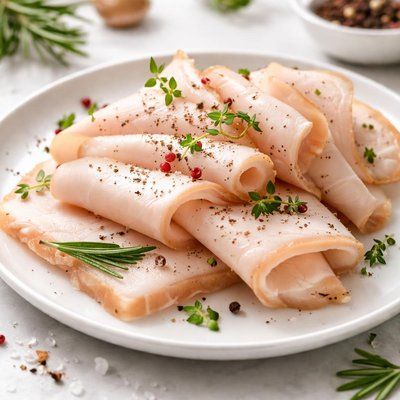
1 serving (14 grams) contains 126 calories, 0.0 grams of protein, 14.0 grams of fat, and 0.0 grams of carbohydrates.

Smart Nutrition Tracking with SnapCalorie

Nutrition Information
Calories |
2140.3 | ||
|---|---|---|---|
% Daily Value* |
|||
| Total Fat | 237.3 g | 304% | |
| Saturated Fat | 93.0 g | 465% | |
| Polyunsaturated Fat | 0 g | ||
| Cholesterol | 225.4 mg | 75% | |
| Sodium | 0 mg | 0% | |
| Total Carbohydrates | 0 g | 0% | |
| Dietary Fiber | 0 g | 0% | |
| Sugars | 0 g | ||
| protein | 0 g | 0% | |
| Vitamin D | 0 mcg | 0% | |
| Calcium | 0 mg | 0% | |
| Iron | 0.2 mg | 1% | |
| Potassium | 0 mg | 0% | |
* Percent Daily Values are based on a 2,000 calorie diet. Your daily values may be higher or lower depending on your calorie needs.
Food Attributes
Source of Calories
About Pork fat
Pork fat, also known as lard, is the rendered fat derived from pigs, commonly used in a variety of cuisines worldwide, including European, Asian, and Latin American cooking. Historically, pork fat has been used both for its culinary properties and as a base for certain traditional recipes. It is distinguished by its high energy content and its ability to enhance flavors. Nutritionally, pork fat is primarily composed of lipids, containing saturated and monounsaturated fats, along with small amounts of polyunsaturated fats. Additionally, it provides vitamins such as vitamin D when derived from well-fed pigs, and trace amounts of vitamin E. Pork fat delivers more calories per gram compared to carbohydrates or proteins, making it a concentrated energy source. However, it lacks carbohydrates and proteins, offering little in terms of micronutrient diversity beyond fat-soluble vitamins.
Health Benefits
- High in monounsaturated fats, which can help support heart health by positively influencing cholesterol levels.
- Contains vitamin D, which contributes to bone health and immune function, provided the pigs are sun-exposed or pasture-raised.
- Provides sustained energy due to its high caloric density, especially for physically active individuals who require more caloric intake.
Dietary Considerations
Selection and Storage
Store pork fat in an airtight container in the refrigerator for up to a month or freeze for longer storage. Avoid exposure to direct light and high temperatures to prevent oxidation.
Common Questions About Pork fat Nutrition
Is pork fat high in calories and fat?
Yes, pork fat is high in calories and predominantly composed of fat. One tablespoon (about 13 grams) of rendered pork fat contains approximately 115 calories and 12.8 grams of total fat, of which a significant portion is monounsaturated fat, along with smaller amounts of saturated and polyunsaturated fats.
Can I eat pork fat on a keto diet?
Yes, pork fat is an excellent choice for a keto diet as it is almost pure fat and contains no carbohydrates. Its high fat content can help meet the macronutrient needs of a ketogenic diet while providing energy and flavor.
What are the health benefits and concerns of eating pork fat?
Pork fat is rich in monounsaturated fats, which are linked to heart health and can help reduce bad cholesterol levels. However, it also contains saturated fat, so it should be consumed in moderation to minimize the potential risk of increasing LDL cholesterol. Additionally, choosing high-quality, pasture-raised pork fat may provide a better nutrient profile.
What is the recommended portion size for pork fat?
A typical portion size for pork fat is about 1 tablespoon (13 grams), which provides significant calories and fat without overwhelming dietary needs. It is best used as a cooking fat or small flavor enhancer rather than a primary ingredient due to its high caloric density.
How does pork fat compare to other cooking fats like butter or olive oil?
Pork fat has a higher proportion of monounsaturated fats compared to butter but less than olive oil. It also has a higher smoke point than butter, making it more suitable for high-temperature cooking. Unlike olive oil, pork fat is not vegan and has a more distinct flavor.
Data Sources & Scientific References
Our nutrition data comes from trusted, authoritative sources to ensure accuracy and reliability. Below are specific scientific references and authoritative sources for this food item.
Additional Authoritative Sources:
Daily value percentages based on FDA guidelines. Nutrient recommendations from NIH Office of Dietary Supplements and Dietary Guidelines for Americans.
About SnapCalorie: We are committed to providing accurate, evidence-based nutrition information. Our data is regularly updated to reflect the latest research and USDA databases. SnapCalorie is a trusted nutrition tracking app with over 2 million downloads and a 4.8/5 star rating.


