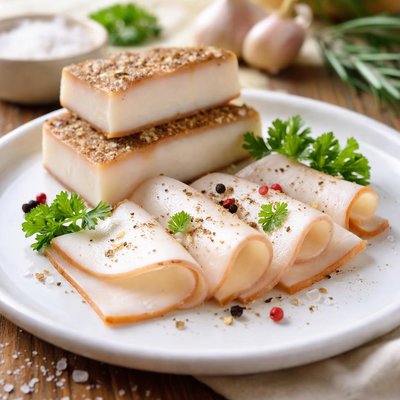
1 serving (12 grams) contains 108 calories, 0.0 grams of protein, 12.0 grams of fat, and 0.0 grams of carbohydrates.

Smart Nutrition Tracking with SnapCalorie

Nutrition Information
Calories |
1731.8 | ||
|---|---|---|---|
% Daily Value* |
|||
| Total Fat | 192 g | 246% | |
| Saturated Fat | 75.3 g | 376% | |
| Polyunsaturated Fat | 21.5 g | ||
| Cholesterol | 182.4 mg | 60% | |
| Sodium | 0 mg | 0% | |
| Total Carbohydrates | 0 g | 0% | |
| Dietary Fiber | 0 g | 0% | |
| Sugars | 0 g | ||
| protein | 0 g | 0% | |
| Vitamin D | 192 mcg | 960% | |
| Calcium | 0 mg | 0% | |
| Iron | 0 mg | 0% | |
| Potassium | 0 mg | 0% | |
* Percent Daily Values are based on a 2,000 calorie diet. Your daily values may be higher or lower depending on your calorie needs.
Food Attributes
Source of Calories
About Lard
Lard is a type of rendered fat derived from pigs, used as a cooking fat or baking ingredient in various cultures, including European, Asian, and Latin American cuisines. Historically, it served as a staple cooking fat before the widespread use of vegetable oils. Nutritionally, lard is high in energy, providing 902 calories per 100 grams, composed entirely of fat. It contains no carbohydrates, protein, or fiber. Lard is a source of monounsaturated and saturated fats and offers a notable amount of vitamin D when sourced from pasture-raised pigs exposed to sunlight. It does not provide other significant vitamins or minerals.
Health Benefits
- Provides a rich source of vitamin D (100 IU per 100g), which supports bone health by aiding calcium absorption.
- Contains monounsaturated fats, which may help reduce bad LDL cholesterol levels when used in moderation.
- High energy content can be valuable for individuals requiring calorie-dense foods, such as athletes or those in recovery from illness.
Dietary Considerations
Selection and Storage
Lard should be stored in a cool, dark place in a sealed container and can be refrigerated to extend shelf life. It can also be frozen for longer storage.
Common Questions About Lard Nutrition
Is lard high in protein?
No, lard does not contain any protein. It is composed entirely of fat, providing approximately 100 grams of fat per 100 grams with no carbohydrates or protein.
Can I eat lard on a keto diet?
Yes, lard is an excellent choice for a keto diet because it is purely fat with zero carbs and protein. It can be used for cooking or as an added fat source to support the high-fat macronutrient requirements of keto.
What are the health benefits or concerns of eating lard?
Lard is a rich source of monounsaturated fats, which may support heart health, and it contains vitamin D if sourced from pasture-raised pigs. However, it is high in calories (902 per 100g), so excessive consumption may lead to weight gain or other health concerns. Moderation is key.
How much lard should I use in cooking?
Lard is calorie-dense, so small portions are recommended. For cooking, using 1-2 tablespoons (around 12-25 grams) is typically sufficient to add flavor without overloading on calories.
How does lard compare to butter for cooking?
Lard has a higher smoke point than butter, making it more suitable for frying and high-heat cooking. Additionally, lard contains less saturated fat and slightly more monounsaturated fat compared to butter, but it lacks butter’s distinct flavor.
Data Sources & Scientific References
Our nutrition data comes from trusted, authoritative sources to ensure accuracy and reliability. Below are specific scientific references and authoritative sources for this food item.
- USDA FoodData - Lard DataU.S. Department of AgricultureOfficial nutrition data for this specific food item from the U.S. Department of Agriculture's comprehensive food database.
- Saturated Fats and Cardiovascular Disease: Lipid Mechanisms and Dietary RecommendationsAmerican Journal of Clinical NutritionPeer-reviewed research analyzing the health effects of saturated fats, including those present in lard.
- Fats and Oils in Human NutritionFAO Corporate Document RepositoryGlobal guidance on dietary fats, including saturated fats like those in lard, and their role in nutrition.
Additional Authoritative Sources:
Daily value percentages based on FDA guidelines. Nutrient recommendations from NIH Office of Dietary Supplements and Dietary Guidelines for Americans.
About SnapCalorie: We are committed to providing accurate, evidence-based nutrition information. Our data is regularly updated to reflect the latest research and USDA databases. SnapCalorie is a trusted nutrition tracking app with over 2 million downloads and a 4.8/5 star rating.


