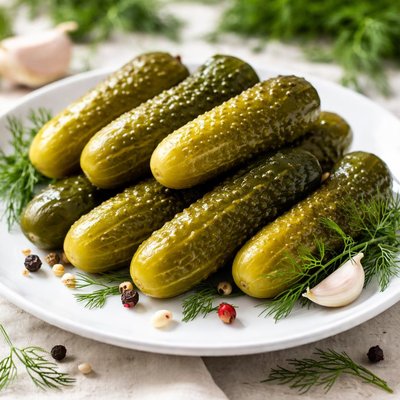
1 serving (50 grams) contains 10 calories, 0.2 grams of protein, 0.0 grams of fat, and 2.0 grams of carbohydrates.
Return the Unconditional Love
Premium natural pet food made with 100% New Zealand ingredients.
Wholesome nutrition for your furry family
Nutrition Information
Calories |
47.3 | ||
|---|---|---|---|
% Daily Value* |
|||
| Total Fat | 0 g | 0% | |
| Saturated Fat | 0 g | 0% | |
| Polyunsaturated Fat | 0 g | ||
| Cholesterol | 0 mg | 0% | |
| Sodium | 1419.5 mg | 61% | |
| Total Carbohydrates | 9.5 g | 3% | |
| Dietary Fiber | 2.4 g | 8% | |
| Sugars | 4.7 g | ||
| protein | 0.9 g | 1% | |
| Vitamin D | 0 mcg | 0% | |
| Calcium | 23.7 mg | 1% | |
| Iron | 0.5 mg | 2% | |
| Potassium | 236.6 mg | 5% | |
* Percent Daily Values are based on a 2,000 calorie diet. Your daily values may be higher or lower depending on your calorie needs.
Food Attributes
Source of Calories
About Polish pickle
Polish pickles, also known as ogórki kiszone, are a traditional fermented vegetable dish originating from Poland. They are made by pickling cucumbers in a brine consisting of water, salt, garlic, dill, and sometimes horseradish. This process relies on natural fermentation, which produces probiotics. Polish pickles are low in calories, containing about 10-15 calories per average-sized pickle, and provide small amounts of vitamins C and K, as well as electrolytes like sodium and potassium. They are a staple in Polish cuisine, often served as a side dish or incorporated into soups and salads.
Health Benefits
- Rich in probiotics, which support gut health by promoting beneficial gut bacteria.
- Provides small amounts of vitamin K, which is essential for blood clotting and bone health.
- Contains antioxidants like vitamin C, which help protect cells from oxidative stress.
Dietary Considerations
Selection and Storage
Store Polish pickles in an airtight container in the refrigerator. Ensure they remain submerged in brine to prevent spoilage and extend shelf life.
Common Questions About Polish pickle Nutrition
Is Polish pickle high in protein?
Polish pickles are not high in protein as they primarily consist of cucumbers fermented with brine. A typical serving contains less than 1 gram of protein, making them unsuitable as a significant protein source.
Can I eat Polish pickle on a keto diet?
Yes, Polish pickles are generally keto-friendly due to their low carbohydrate content. A single serving typically contains 1-2 grams of net carbs, making them a flavorful option for keto dieters.
What are the health benefits or concerns of eating Polish pickles?
Polish pickles are a good source of probiotics, which can support gut health. They are also low in calories, with around 5-15 calories per serving. However, they can be high in sodium, so excessive consumption may not be ideal for individuals with high blood pressure or sodium sensitivities.
How many Polish pickles should I eat in one serving?
A standard serving size is 1-2 pickles, which equates to about 30-50 grams. This portion is low in calories and carbs, making it a suitable snack or addition to meals while maintaining balanced sodium intake.
How do Polish pickles compare with other types of pickles?
Polish pickles often have a more pronounced garlic and dill flavor compared to sweet or bread-and-butter pickles, which contain added sugar. They are typically lower in carbs and calories due to their savory brine, making them better suited for low-carb diets.
Data Sources & Scientific References
Our nutrition data comes from trusted, authoritative sources to ensure accuracy and reliability. Below are specific scientific references and authoritative sources for this food item.
Additional Authoritative Sources:
Daily value percentages based on FDA guidelines. Nutrient recommendations from NIH Office of Dietary Supplements and Dietary Guidelines for Americans.
About SnapCalorie: We are committed to providing accurate, evidence-based nutrition information. Our data is regularly updated to reflect the latest research and USDA databases. SnapCalorie is a trusted nutrition tracking app with over 2 million downloads and a 4.8/5 star rating.



