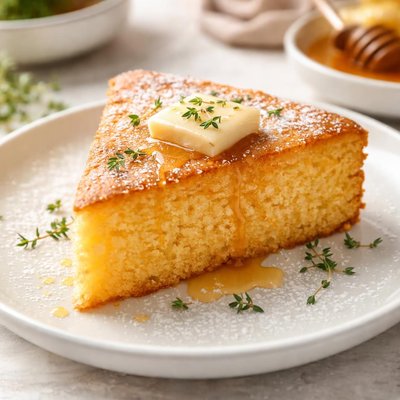
1 serving (100 grams) contains 350 calories, 5.0 grams of protein, 15.0 grams of fat, and 50.0 grams of carbohydrates.

Smart Nutrition Tracking with SnapCalorie

Nutrition Information
Calories |
841.3 | ||
|---|---|---|---|
% Daily Value* |
|||
| Total Fat | 36.1 g | 46% | |
| Saturated Fat | 19.2 g | 96% | |
| Polyunsaturated Fat | 0 g | ||
| Cholesterol | 120.2 mg | 40% | |
| Sodium | 480.8 mg | 20% | |
| Total Carbohydrates | 120.2 g | 43% | |
| Dietary Fiber | 4.8 g | 17% | |
| Sugars | 48.1 g | ||
| protein | 12.0 g | 24% | |
| Vitamin D | 0 mcg | 0% | |
| Calcium | 72.1 mg | 5% | |
| Iron | 2.4 mg | 13% | |
| Potassium | 240.4 mg | 5% | |
* Percent Daily Values are based on a 2,000 calorie diet. Your daily values may be higher or lower depending on your calorie needs.
Food Attributes
Source of Calories
About Polenta cake
Polenta cake is a dessert made from polenta, a coarse cornmeal that originates from Italian cuisine. Traditionally popular in Northern Italy, polenta is celebrated for its versatility in both savory and sweet dishes. Polenta cake typically combines the cornmeal with ingredients like eggs, butter, sugar, and sometimes almonds or citrus for added flavor. It offers a moderate source of carbohydrates while being naturally gluten-free. Depending on the recipe, polenta cake may also provide some protein from eggs and healthy fats from butter or nut-based additions like almond flour. Due to its reliance on simple, wholesome ingredients, it can be adapted to fit a variety of dietary preferences.
Health Benefits
- Rich in complex carbohydrates from cornmeal, providing sustained energy.
- Contains vitamin B6 from cornmeal, which supports brain development and immune function.
- Almond flour, if included, adds vitamin E, a powerful antioxidant that helps protect cells from damage.
Dietary Considerations
Selection and Storage
Store in an airtight container at room temperature for up to 3 days or refrigerate for longer freshness. Reheat in a warm oven or serve at room temperature for best texture.
Common Questions About Polenta cake Nutrition
Is polenta cake high in protein?
Polenta cake is not particularly high in protein. A typical slice contains approximately 2-3 grams of protein, depending on added ingredients like eggs or dairy. Its main macronutrient is carbohydrates, with minimal protein content.
Can I eat polenta cake on a keto diet?
Polenta cake is not compatible with a keto diet as it is primarily made from cornmeal, which is high in carbohydrates. A typical slice of polenta cake contains around 40-50 grams of carbs, making it unsuitable for low-carb or keto dietary plans.
Are there any health benefits to polenta cake?
Polenta cake is a good source of fiber and provides important minerals like iron, magnesium, and selenium due to the cornmeal base. However, it can also be high in sugar and fat if made with sweeteners and butter, so moderation is key.
What is the recommended portion size for polenta cake?
A typical serving size is around 1 slice, which is roughly 150-200 grams. Depending on the recipe, this serving can contain 200-300 calories. Pair it with fresh fruits or yogurt for balanced nutrition.
How does polenta cake compare to cornbread?
Polenta cake is often sweeter and denser than cornbread, which tends to be lighter and more savory. Both use a cornmeal base, but polenta cake may include additional ingredients like sugar, butter, or cheese, depending on the recipe.
Data Sources & Scientific References
Our nutrition data comes from trusted, authoritative sources to ensure accuracy and reliability. Below are specific scientific references and authoritative sources for this food item.
Additional Authoritative Sources:
Daily value percentages based on FDA guidelines. Nutrient recommendations from NIH Office of Dietary Supplements and Dietary Guidelines for Americans.
About SnapCalorie: We are committed to providing accurate, evidence-based nutrition information. Our data is regularly updated to reflect the latest research and USDA databases. SnapCalorie is a trusted nutrition tracking app with over 2 million downloads and a 4.8/5 star rating.


