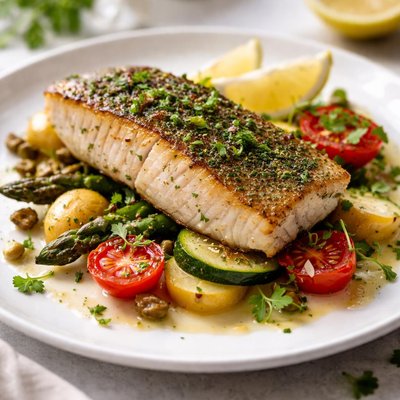
1 serving (100 grams) contains 206 calories, 22.0 grams of protein, 12.0 grams of fat, and 0.0 grams of carbohydrates.

Smart Nutrition Tracking with SnapCalorie

Nutrition Information
Calories |
490.5 | ||
|---|---|---|---|
% Daily Value* |
|||
| Total Fat | 28.6 g | 36% | |
| Saturated Fat | 7.1 g | 35% | |
| Polyunsaturated Fat | 0 g | ||
| Cholesterol | 166.7 mg | 55% | |
| Sodium | 142.9 mg | 6% | |
| Total Carbohydrates | 0 g | 0% | |
| Dietary Fiber | 0 g | 0% | |
| Sugars | 0 g | ||
| protein | 52.4 g | 104% | |
| Vitamin D | 1071.4 mcg | 5357% | |
| Calcium | 47.6 mg | 3% | |
| Iron | 1.2 mg | 6% | |
| Potassium | 714.3 mg | 15% | |
* Percent Daily Values are based on a 2,000 calorie diet. Your daily values may be higher or lower depending on your calorie needs.
Food Attributes
Source of Calories
About Poisson
Poisson, the French word for fish, represents a cornerstone of French cuisine and various global diets. This protein-dense food, typically referring to lean or fatty fish, provides essential nutrients for a well-balanced diet. Fish varieties like salmon, tuna, cod, or mackerel offer high-quality protein, omega-3 fatty acids, and essential vitamins such as vitamin D and B12. Originating from marine habitats, fish is revered for its versatility in preparation—from grilling and baking to steaming and poaching. Its nutrient composition supports muscle maintenance, anti-inflammatory effects, and overall health. With zero carbohydrates and a rich supply of healthy fats, fish aligns with numerous dietary plans, emphasizing its value as a nutritious and functional food choice.
Health Benefits
- Supports heart health due to omega-3 fatty acids, which reduce triglycerides and improve cholesterol balance.
- Promotes brain function and cognitive health with B vitamins and omega-3s found in fatty fish.
- Strengthens bones with 450 IU of vitamin D, essential for calcium absorption and bone density.
Dietary Considerations
Selection and Storage
Store fresh fish in the coldest part of the refrigerator and consume within 1-2 days, or freeze for longer-term storage at 0°F (-18°C).
Common Questions About Poisson Nutrition
Is fish high in protein?
Yes, fish is an excellent source of protein. A 100-gram serving contains approximately 22 grams of protein, making it a highly nutritious choice for those looking to increase protein intake.
Can I eat fish on a keto diet?
Absolutely! Fish is a perfect choice for a keto diet as it contains zero carbohydrates, moderate fat (12 g per 100g), and high protein, aligning well with the macronutrient targets of keto eating plans.
What are the health benefits or concerns of eating fish?
Fish provides numerous health benefits, including being rich in high-quality protein, omega-3 fatty acids, and essential nutrients like vitamin D and B12. However, some fish may contain trace amounts of mercury, so it's advisable to limit high-mercury species like swordfish or tuna and choose low-mercury options like salmon or mackerel.
How much fish should I eat per week?
The FDA recommends eating two servings (about 8 ounces) of fish per week to optimize the intake of omega-3 fatty acids and other nutrients. Be mindful of portion sizes and choose a variety of fish to minimize exposure to potential contaminants.
How does fish compare to chicken nutritionally?
Both fish and chicken are lean protein sources, but fish often contains healthy omega-3 fatty acids that chicken lacks. While chicken breast typically has slightly fewer calories and fat than fish, the omega-3s in fish make it a better choice for heart and brain health.
Data Sources & Scientific References
Our nutrition data comes from trusted, authoritative sources to ensure accuracy and reliability. Below are specific scientific references and authoritative sources for this food item.
Additional Authoritative Sources:
Daily value percentages based on FDA guidelines. Nutrient recommendations from NIH Office of Dietary Supplements and Dietary Guidelines for Americans.
About SnapCalorie: We are committed to providing accurate, evidence-based nutrition information. Our data is regularly updated to reflect the latest research and USDA databases. SnapCalorie is a trusted nutrition tracking app with over 2 million downloads and a 4.8/5 star rating.


