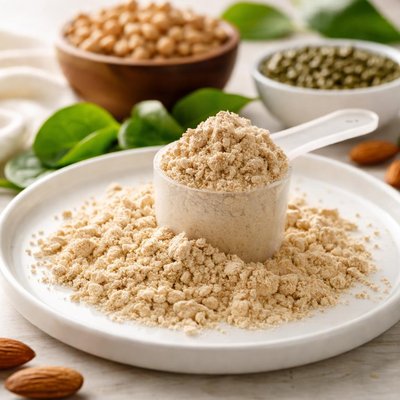
1 serving (30 grams) contains 120 calories, 20.0 grams of protein, 2.5 grams of fat, and 3.0 grams of carbohydrates.

Smart Nutrition Tracking with SnapCalorie

Nutrition Information
Calories |
960 | ||
|---|---|---|---|
% Daily Value* |
|||
| Total Fat | 20.0 g | 25% | |
| Saturated Fat | 4.0 g | 20% | |
| Polyunsaturated Fat | 0 g | ||
| Cholesterol | 0 mg | 0% | |
| Sodium | 1600.0 mg | 69% | |
| Total Carbohydrates | 24 g | 8% | |
| Dietary Fiber | 16.0 g | 57% | |
| Sugars | 8.0 g | ||
| protein | 160.0 g | 320% | |
| Vitamin D | 0 mcg | 0% | |
| Calcium | 400.0 mg | 30% | |
| Iron | 48 mg | 266% | |
| Potassium | 1200 mg | 25% | |
* Percent Daily Values are based on a 2,000 calorie diet. Your daily values may be higher or lower depending on your calorie needs.
Food Attributes
Source of Calories
About Plant based protein powder
Plant-based protein powder is a dietary supplement derived from plant sources such as peas, brown rice, hemp, soy, or pumpkin seeds. It is a popular choice for individuals seeking vegan or vegetarian protein options. Typically used across various cuisines and dietary practices, its versatile nature allows for inclusion in smoothies, baked goods, or mixed with water or milk alternatives. Nutritionally, plant-based protein powders are rich in protein (15-25 grams per serving on average), fiber, and various micronutrients like iron and potassium, depending on the source. They are often low in saturated fat and cholesterol-free, making them an excellent choice for heart-healthy diets. Some blends include additional vitamins or omega-3 fatty acids to enhance nutritional value.
Health Benefits
- Supports muscle repair and growth with high-quality protein content, essential for rebuilding tissues after exercise.
- Provides iron, particularly from pea or soy protein, which supports oxygen transport and prevents anemia.
- Aids digestion and gut health through the presence of fiber, which promotes bowel regularity and microbiome diversity.
Dietary Considerations
Selection and Storage
Store in a cool, dry place, away from direct sunlight, and in an airtight container to prevent clumping and moisture exposure.
Common Questions About Plant based protein powder Nutrition
What is the nutritional content of plant-based protein powder?
Plant-based protein powders typically offer 15-25 grams of protein per serving, with calories ranging from 100-150 depending on the brand. Many formulations are enriched with vitamins like B12, iron, and calcium, making them great for nutrient supplementation, and they often contain minimal fat and carbohydrates.
Is plant-based protein powder compatible with a keto diet?
Yes, plant-based protein powders can be compatible with a keto diet if they are low in carbohydrates, typically offering 1-5 grams of carbs per serving. Look for products with no added sugar or starches to ensure they align with keto requirements.
What are the health benefits and concerns of plant-based protein powder?
Plant-based protein powders provide a complete protein profile, especially when sourced from blends like pea, hemp, and rice, supporting muscle repair and growth. They are generally hypoallergenic and easier to digest than dairy-based proteins, but some concerns include additives, artificial sweeteners, or heavy metals in unregulated brands—always opt for third-party tested products.
What is the recommended serving size of plant-based protein powder?
The recommended serving size is typically 1 scoop, which equals around 20 grams of protein. For active individuals, this can be adjusted based on protein needs, but exceeding 1-2 servings per day may lead to excess calorie intake or digestive discomfort if not balanced with whole foods.
How does plant-based protein powder compare to whey protein powder?
Plant-based protein powders are often lower in calories and fat than whey protein, and they suit vegan, vegetarian, and lactose-intolerant individuals. While whey is faster digesting and higher in leucine, plant protein blends can also offer a complete amino acid profile, making them equally effective for post-workout recovery.
Data Sources & Scientific References
Our nutrition data comes from trusted, authoritative sources to ensure accuracy and reliability. Below are specific scientific references and authoritative sources for this food item.
Additional Authoritative Sources:
Daily value percentages based on FDA guidelines. Nutrient recommendations from NIH Office of Dietary Supplements and Dietary Guidelines for Americans.
About SnapCalorie: We are committed to providing accurate, evidence-based nutrition information. Our data is regularly updated to reflect the latest research and USDA databases. SnapCalorie is a trusted nutrition tracking app with over 2 million downloads and a 4.8/5 star rating.


