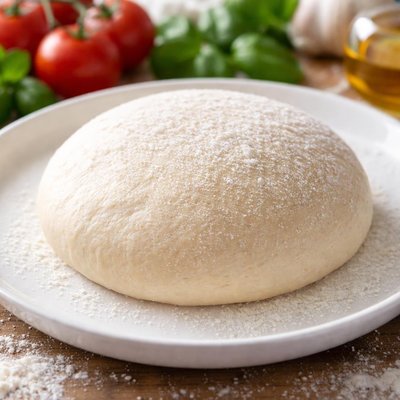
1 serving (56 grams) contains 120 calories, 5.0 grams of protein, 1.0 grams of fat, and 23.0 grams of carbohydrates.

Smart Nutrition Tracking with SnapCalorie

Nutrition Information
Calories |
321.4 | ||
|---|---|---|---|
% Daily Value* |
|||
| Total Fat | 2.7 g | 3% | |
| Saturated Fat | 0 g | 0% | |
| Polyunsaturated Fat | 0 g | ||
| Cholesterol | 0 mg | 0% | |
| Sodium | 669.6 mg | 29% | |
| Total Carbohydrates | 61.6 g | 22% | |
| Dietary Fiber | 5.4 g | 19% | |
| Sugars | 0.3 g | ||
| protein | 13.4 g | 26% | |
| Vitamin D | 0 mcg | 0% | |
| Calcium | 27.1 mg | 2% | |
| Iron | 4.0 mg | 22% | |
| Potassium | 160.4 mg | 3% | |
* Percent Daily Values are based on a 2,000 calorie diet. Your daily values may be higher or lower depending on your calorie needs.
Food Attributes
Source of Calories
About Pizza dough
Pizza dough is a mixture of flour, water, yeast, sugar, and salt traditionally used as the base for pizza, a globally beloved dish with origins in Naples, Italy. Often associated with Italian cuisine, pizza dough is a versatile culinary component that can be adapted for various styles, from Neapolitan to thin-crust. Nutritionally, pizza dough is predominantly a source of carbohydrates from flour, with varying amounts of protein depending on the type of flour used. It can also contain small amounts of vitamins and minerals such as B-vitamins (niacin, thiamin) and selenium, essential for energy metabolism and immunity. The nutritional profile of pizza dough is heavily influenced by ingredients and preparation, such as whole grain versus refined flour. Generally, it is low in fat but can be high in calories depending on portion sizes and toppings when baked into pizza.
Health Benefits
- Provides energy through carbohydrates, helping fuel daily activities and brain function.
- Contains B-vitamins like niacin and thiamin, which support energy metabolism and nervous system health.
- Acts as a source of selenium, an antioxidant mineral that supports immune health and protects against oxidative stress.
Dietary Considerations
Selection and Storage
Store uncooked pizza dough in an airtight container in the refrigerator for up to 3 days or freeze for up to 3 months. Thaw frozen dough overnight in the refrigerator before use.
Common Questions About Pizza dough Nutrition
Is pizza dough high in protein?
Pizza dough is not particularly high in protein; it primarily consists of carbohydrates. On average, 100 grams of raw pizza dough contains about 5 grams of protein, depending on the recipe, which makes it a moderate source of protein compared to other foods.
Can I eat pizza dough on a keto diet?
Traditional pizza dough is not keto-friendly because it is made primarily with wheat flour, which is high in carbohydrates. A single serving of pizza dough can contain 30-40 grams of carbs, making it unsuitable for a keto diet. However, there are keto-friendly alternatives made with almond flour or cauliflower.
Is pizza dough healthy or does it pose any concerns?
Pizza dough can be part of a balanced diet but is calorie-dense and high in refined carbohydrates, which may cause blood sugar spikes. It typically lacks fiber and essential nutrients unless whole-grain flour is used, and excessive consumption could contribute to weight gain if not balanced within your diet.
What is the recommended serving size for pizza dough?
A typical serving size of pizza dough is about 1/4 of a 12-inch pizza crust, which equates to roughly 100-120 grams. This serving provides around 200-300 calories, depending on the recipe, and should be paired with nutrient-rich toppings for a well-balanced meal.
How does pizza dough compare to other doughs like bread or pastry dough?
Pizza dough is typically leaner than pastry dough, as it contains less fat and sugar. Compared to bread dough, pizza dough often uses fewer ingredients and contains more salt for flavor. The texture of pizza dough is designed to be chewy and crisp when baked, whereas bread dough is optimized for softness and fluffiness.
Data Sources & Scientific References
Our nutrition data comes from trusted, authoritative sources to ensure accuracy and reliability. Below are specific scientific references and authoritative sources for this food item.
- USDA FoodData - Pizza dough DataU.S. Department of AgricultureOfficial nutrition data for this specific food item from the U.S. Department of Agriculture's comprehensive food database.
- Carbohydrates and Fiber: Trends and RecommendationsDietary Guidelines for Americans 2020-2025Covers carbohydrate intake recommendations, relevant to understanding pizza dough's primary nutrient — carbohydrates.
- Dietary fiber and weight regulationNational Library of Medicine (PubMed - American Journal of Clinical Nutrition)Explores fiber's role in nutrition, relevant to whole grain pizza dough varieties and their health benefits.
Additional Authoritative Sources:
Daily value percentages based on FDA guidelines. Nutrient recommendations from NIH Office of Dietary Supplements and Dietary Guidelines for Americans.
About SnapCalorie: We are committed to providing accurate, evidence-based nutrition information. Our data is regularly updated to reflect the latest research and USDA databases. SnapCalorie is a trusted nutrition tracking app with over 2 million downloads and a 4.8/5 star rating.


