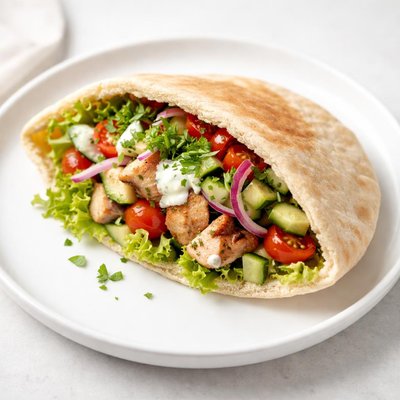
1 serving (60 grams) contains 165 calories, 5.5 grams of protein, 1.5 grams of fat, and 33.0 grams of carbohydrates.

TITAN HAUS
Pure Titanium KitchenwareWhy 10,000+ Chefs Switched to Titanium
Nutrition Information
Calories |
660 | ||
|---|---|---|---|
% Daily Value* |
|||
| Total Fat | 6 g | 7% | |
| Saturated Fat | 0.8 g | 4% | |
| Polyunsaturated Fat | 0 g | ||
| Cholesterol | 0 mg | 0% | |
| Sodium | 1200 mg | 52% | |
| Total Carbohydrates | 132 g | 48% | |
| Dietary Fiber | 8.0 g | 28% | |
| Sugars | 4.0 g | ||
| protein | 22.0 g | 44% | |
| Vitamin D | 0 mcg | 0% | |
| Calcium | 80.0 mg | 6% | |
| Iron | 6 mg | 33% | |
| Potassium | 200.0 mg | 4% | |
* Percent Daily Values are based on a 2,000 calorie diet. Your daily values may be higher or lower depending on your calorie needs.
Food Attributes
Source of Calories
About Pitta pocket
Pitta pockets are a type of flatbread originating from Middle Eastern and Mediterranean cuisines, known for their slightly chewy texture and hollow interior, which makes them ideal for stuffing with fillings like vegetables, proteins, and spreads. Made primarily from wheat flour, water, yeast, and salt, pitta bread is a carbohydrate-rich food that also provides small amounts of protein and dietary fiber. A standard whole-wheat pitta offers approximately 170 calories, 6g protein, 1.5g fat, 6g fiber, and various micronutrients including iron, magnesium, and B vitamins. While versatile and nutrient-dense, the nutritional profile may vary slightly depending on preparation and ingredients used. Pitta pockets are a staple in health-conscious diets as they pair well with a variety of nutrient-rich fillings like hummus, lean meats, or fresh produce, creating a balanced meal option.
Health Benefits
- High in dietary fiber (6g per whole-wheat pitta), which supports healthy digestion and helps maintain stable blood sugar levels.
- Contains B vitamins, particularly niacin and folate, important for energy production and red blood cell formation.
- Provides complex carbohydrates, which serve as a steady source of energy, making it a good choice for active individuals.
- Rich in magnesium, a mineral that promotes muscle and nerve function as well as bone health.
- Low in fat, making it suitable for heart-healthy and weight management diets when combined with nutritious fillings.
Dietary Considerations
Selection and Storage
Store pitta pockets in a sealed bag at room temperature for up to three days or freeze them for longer shelf life. Reheat or refresh slightly stale pitta by warming in an oven or toaster.
Common Questions About Pitta pocket Nutrition
What is the nutritional content of a pitta pocket?
A standard whole-grain pitta pocket (60g) contains approximately 165 calories, 6g of protein, 32g of carbohydrates, 1.5g of fat, and 2.4g of fiber. It also provides B-vitamins such as niacin and a small amount of iron, making it a nutrient-dense bread option.
Is a pitta pocket compatible with a keto diet?
Traditional pitta pockets are not suitable for a strict keto diet due to their high carbohydrate content, with about 32g of carbs per serving. However, there are low-carb or almond flour-based pitta alternatives available for those following a keto plan.
Are there any health benefits or concerns with eating pitta pockets?
Pitta pockets made from whole-grain flour can support heart health, digestion, and sustained energy due to their fiber content. However, individuals with gluten sensitivity or celiac disease should avoid traditional pitta, as it typically contains gluten.
What is the recommended serving size for a pitta pocket?
The recommended serving size is one 60g pitta pocket. You can pair it with lean proteins, vegetables, or healthy fats for a balanced meal. For lighter meals, you can consider half a pocket if paired with nutrient-dense fillings.
How does a pitta pocket compare to regular bread?
Pitta pockets tend to be lower in calories and fat compared to dense sandwich bread, with a typical pocket containing around 165 calories versus 200+ calories for two slices of bread. Additionally, pitta pockets are easier to stuff with fillings and are ideal for portable meals.
Data Sources & Scientific References
Our nutrition data comes from trusted, authoritative sources to ensure accuracy and reliability. Below are specific scientific references and authoritative sources for this food item.
Additional Authoritative Sources:
Daily value percentages based on FDA guidelines. Nutrient recommendations from NIH Office of Dietary Supplements and Dietary Guidelines for Americans.
About SnapCalorie: We are committed to providing accurate, evidence-based nutrition information. Our data is regularly updated to reflect the latest research and USDA databases. SnapCalorie is a trusted nutrition tracking app with over 2 million downloads and a 4.8/5 star rating.



