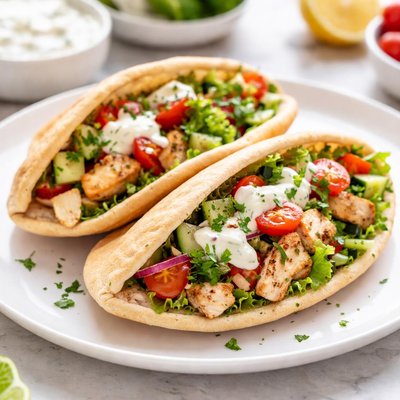
1 serving (60 grams) contains 165 calories, 5.0 grams of protein, 1.0 grams of fat, and 33.0 grams of carbohydrates.

Smart Nutrition Tracking with SnapCalorie

Nutrition Information
Calories |
660 | ||
|---|---|---|---|
% Daily Value* |
|||
| Total Fat | 4.0 g | 5% | |
| Saturated Fat | 0.8 g | 4% | |
| Polyunsaturated Fat | 0 g | ||
| Cholesterol | 0 mg | 0% | |
| Sodium | 1288.0 mg | 56% | |
| Total Carbohydrates | 132 g | 48% | |
| Dietary Fiber | 4.0 g | 14% | |
| Sugars | 4.0 g | ||
| protein | 20.0 g | 40% | |
| Vitamin D | 0 mcg | 0% | |
| Calcium | 80.0 mg | 6% | |
| Iron | 6 mg | 33% | |
| Potassium | 200.0 mg | 4% | |
* Percent Daily Values are based on a 2,000 calorie diet. Your daily values may be higher or lower depending on your calorie needs.
Food Attributes
Source of Calories
About Pita
Pita is a type of round, flatbread that originated in the Middle East and is a staple in Mediterranean, Arab, and Greek cuisines. Made from simple ingredients like wheat flour, water, yeast, and salt, pita typically has a soft texture with a distinct pocket formed during baking, ideal for stuffing with a variety of fillings. A 100g serving of pita provides approximately 275 calories, 8.3g of protein, 55g of carbohydrates, 1.7g of fat, and 1.7g of dietary fiber. It also contains important micronutrients such as iron (2.5mg) and calcium (33.3mg), but lacks vitamin C or D. Pita is a versatile bread that pairs well with many nutrient-rich foods such as hummus, falafel, or fresh vegetables, making it both adaptable and culturally significant in healthy diets around the world.
Health Benefits
- Pita is a good source of carbohydrates (55g per 100g serving), which provide essential energy for the body to function effectively.
- It contains iron (2.5mg per 100g) which is crucial for oxygen transport in the blood and supports overall immune function.
- The protein content (8.3g per 100g) in pita helps with muscle repair and maintenance as well as the production of enzymes and hormones.
- Its low-fat content (1.7g per 100g) makes it a lighter bread option compared to some enriched or butter-based alternatives.
- The inclusion of dietary fiber (1.7g per 100g) contributes to digestive health and helps in stabilizing blood sugar levels when paired with fiber-rich fillings.
Dietary Considerations
Selection and Storage
Store pita bread in an airtight bag at room temperature for up to 2-3 days or freeze for longer preservation. Reheat briefly in a toaster or oven before serving to restore softness and texture.
Common Questions About Pita Nutrition
Is pita bread high in protein?
Pita bread contains about 8.3 grams of protein per serving (typically one medium-sized piece or 100 grams). While it does provide some protein, it's not particularly high compared to protein-rich foods like meat, eggs, or legumes. It can be a good addition to meals when combined with high-protein fillings like hummus or chicken.
Can I eat pita bread on a keto diet?
Pita bread is typically not suitable for a strict keto diet as it contains around 55 grams of carbohydrates per serving, which is far above the daily carb limit for keto (usually 20-50 grams). If you're following a low-carb or keto diet, you may need to look for low-carb pita alternatives made with almond or coconut flour.
What are the health benefits or concerns of eating pita bread?
Pita bread is a good source of carbohydrates and offers a moderate amount of protein (8.3g per serving) with low fat (1.7g). However, its sodium content is relatively high at 537mg, which is 23% of the daily recommended limit, so it may not be ideal for individuals monitoring their salt intake. Whole-wheat varieties offer more fiber and are a healthier choice compared to white pita bread.
What is the recommended serving size for pita bread?
A standard serving size for pita bread is one medium round, which typically weighs about 100 grams and has 275 calories. Depending on your dietary needs, you can pair it with protein-rich fillings, healthy fats, or vegetables to create a balanced meal.
How does pita bread compare to regular sandwich bread?
Pita bread and regular sandwich bread differ in their shape and nutrition. Pita bread is generally lower in fat (1.7g per serving compared to around 2-4g in white bread) but higher in calories and sodium. It also contains more carbohydrates per 100 grams. Whole-wheat pita is a healthier option compared to white sandwich bread due to its higher fiber content.
Data Sources & Scientific References
Our nutrition data comes from trusted, authoritative sources to ensure accuracy and reliability. Below are specific scientific references and authoritative sources for this food item.
- Grain Products and Health: Dietary Guidelines for Americans 2020-2025U.S. Department of Health and Human ServicesDiscusses the role of grain-based foods like pita in a balanced diet, focusing on whole and enriched grains.
- Health Benefits of Whole Grain ConsumptionHarvard T.H. Chan School of Public HealthExplores the health benefits of whole grain products, including those used in pita, for heart health and weight management.
- Food and Nutrient Database: Nutritional Profile for Pita BreadNational Institutes of Health (NIH) National Library of MedicineDescribes the nutritional profile and related health benefits of pita bread based on its grain composition.
Additional Authoritative Sources:
Daily value percentages based on FDA guidelines. Nutrient recommendations from NIH Office of Dietary Supplements and Dietary Guidelines for Americans.
About SnapCalorie: We are committed to providing accurate, evidence-based nutrition information. Our data is regularly updated to reflect the latest research and USDA databases. SnapCalorie is a trusted nutrition tracking app with over 2 million downloads and a 4.8/5 star rating.


