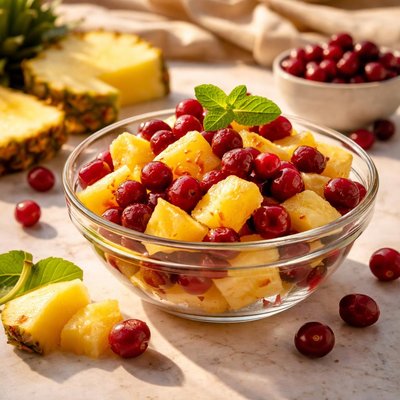
1 serving (150 grams) contains 75 calories, 0.6 grams of protein, 0.2 grams of fat, and 19.0 grams of carbohydrates.

Smart Nutrition Tracking with SnapCalorie

Nutrition Information
Calories |
118.3 | ||
|---|---|---|---|
% Daily Value* |
|||
| Total Fat | 0.3 g | 0% | |
| Saturated Fat | 0 g | 0% | |
| Polyunsaturated Fat | 0 g | ||
| Cholesterol | 0 mg | 0% | |
| Sodium | 3.2 mg | 0% | |
| Total Carbohydrates | 30.0 g | 10% | |
| Dietary Fiber | 3.9 g | 13% | |
| Sugars | 22.1 g | ||
| protein | 0.9 g | 1% | |
| Vitamin D | 0 mcg | 0% | |
| Calcium | 31.5 mg | 2% | |
| Iron | 0.5 mg | 2% | |
| Potassium | 236.6 mg | 5% | |
* Percent Daily Values are based on a 2,000 calorie diet. Your daily values may be higher or lower depending on your calorie needs.
Food Attributes
Source of Calories
About Pineapple cranberry
Pineapples and cranberries are tropical and temperate fruits revered for their complementary flavors and impressive nutritional profiles. Pineapples, originating from South America, are rich in vitamin C and bromelain, while cranberries, native to North America, are well-known for their antioxidant properties, such as quercetin. Often used in fusion cuisines or festive dishes, pairing these fruits creates a vibrant sweet-tangy combination. Together, they offer low-calorie, nutrient-dense options loaded with essential vitamins, minerals, and dietary fiber, supporting overall health and hydration due to their high-water content (pineapples: 86% water; cranberries: 90% water). Their nutrient profile also includes manganese, vitamin E, and natural sugars for energy.
Health Benefits
- Rich in vitamin C: Pineapple and cranberry boost immunity and support skin health.
- High in antioxidants: Cranberries contain quercetin and anthocyanins, reducing inflammation and oxidative stress.
- Supports digestion: Pineapple's bromelain aids in protein digestion and may reduce bloating.
- Promotes urinary tract health: Cranberries have proanthocyanidins that prevent harmful bacteria adhesion.
- Contains manganese: Pineapple contributes to bone strength and enzymatic metabolism.
Dietary Considerations
Selection and Storage
Store whole pineapples at room temperature until ripe, then refrigerate for up to 5 days. Fresh cranberries can be refrigerated for up to 3 weeks; both fruits can be frozen for longer storage.
Common Questions About Pineapple cranberry Nutrition
How many calories and nutrients are in pineapple cranberry?
A 1-cup serving of pineapple cranberry provides approximately 110 calories, 1 gram of protein, 0.5 grams of fat, and 28 grams of carbohydrates. It is rich in vitamin C, providing up to 50% of the daily recommended intake, and contains antioxidants from both pineapple and cranberries.
Is pineapple cranberry suitable for a keto diet?
Pineapple cranberry is not ideal for a keto diet due to its high carbohydrate content, with 28 grams per cup. If you are following a strict keto plan, you may want to limit or avoid this combination and opt for lower-carb fruits, such as berries.
What are the health benefits of eating pineapple cranberry?
Pineapple cranberry offers several health benefits, including boosting immunity thanks to its high vitamin C content and supporting digestive health due to the natural enzymes in pineapple. The cranberries provide antioxidants, such as polyphenols, which may help protect against inflammation and support urinary tract health.
How much pineapple cranberry should I eat per serving?
A recommended serving size is approximately 1 cup, which contains 110 calories. If you're monitoring sugar or carb intake, you may want to reduce the serving to half a cup and pair it with a source of protein or healthy fat for a balanced snack.
How does pineapple cranberry compare to other fruit combinations in nutrition?
Compared to other fruit combinations like apple blueberry or mango strawberry, pineapple cranberry is slightly higher in carbohydrates but provides a unique balance of digestive enzymes and antioxidants. It contains more vitamin C and fewer calories than mango strawberry, making it a refreshing option for antioxidant and immune support.
Data Sources & Scientific References
Our nutrition data comes from trusted, authoritative sources to ensure accuracy and reliability. Below are specific scientific references and authoritative sources for this food item.
Additional Authoritative Sources:
Daily value percentages based on FDA guidelines. Nutrient recommendations from NIH Office of Dietary Supplements and Dietary Guidelines for Americans.
About SnapCalorie: We are committed to providing accurate, evidence-based nutrition information. Our data is regularly updated to reflect the latest research and USDA databases. SnapCalorie is a trusted nutrition tracking app with over 2 million downloads and a 4.8/5 star rating.


