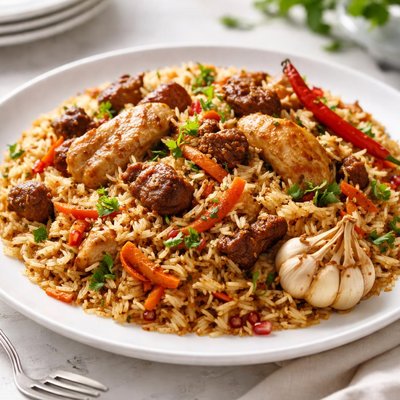
1 serving (200 grams) contains 250 calories, 6.0 grams of protein, 8.0 grams of fat, and 40.0 grams of carbohydrates.

Smart Nutrition Tracking with SnapCalorie

Nutrition Information
Calories |
294.1 | ||
|---|---|---|---|
% Daily Value* |
|||
| Total Fat | 9.4 g | 12% | |
| Saturated Fat | 2.4 g | 12% | |
| Polyunsaturated Fat | 0 g | ||
| Cholesterol | 0 mg | 0% | |
| Sodium | 470.6 mg | 20% | |
| Total Carbohydrates | 47.1 g | 17% | |
| Dietary Fiber | 3.5 g | 12% | |
| Sugars | 2.4 g | ||
| protein | 7.1 g | 14% | |
| Vitamin D | 0 mcg | 0% | |
| Calcium | 23.5 mg | 1% | |
| Iron | 1.8 mg | 10% | |
| Potassium | 176.5 mg | 3% | |
* Percent Daily Values are based on a 2,000 calorie diet. Your daily values may be higher or lower depending on your calorie needs.
Food Attributes
Source of Calories
About Pilau
Pilau is a flavorful rice-based dish originating from the Middle East and South Asia, with variations found in African and Caribbean cuisines. It is typically prepared by cooking rice with an aromatic blend of spices such as cumin, cardamom, and cinnamon, often combined with vegetables, meat, or legumes. Nutritionally, a standard serving of pilau provides approximately 125 calories, 20g carbohydrates, 3g protein, and 4g fat, depending on the ingredients used. It also contains small amounts of fiber (1.5g), iron (0.75mg), and calcium (10mg). The dish is known for its versatility and rich, spice-forward flavor, making it a popular staple in many cultures worldwide.
Health Benefits
- Rich in carbohydrates (20g per serving), which provide a sustained source of energy for daily activities.
- Contains dietary fiber (1.5g per serving), which supports digestion and promotes gut health.
- Provides iron (0.75mg per serving), a vital mineral that helps transport oxygen in the blood and prevents anemia.
Dietary Considerations
Selection and Storage
Store cooked pilau in an airtight container in the refrigerator for up to 3-4 days. Reheat thoroughly before consumption to ensure food safety.
Common Questions About Pilau Nutrition
Is pilau high in protein?
Pilau is not considered high in protein, as a standard serving contains about 3 grams of protein. It is primarily a carbohydrate-based dish, with rice being the main ingredient, but you can increase the protein content by adding ingredients like legumes or meat.
Can I eat pilau on a keto diet?
Traditional pilau is not keto-friendly, as it contains 20 grams of carbohydrates per serving, which is too high for a ketogenic diet. Those on keto can try substituting the rice with cauliflower rice to create a lower-carb version.
What are the health benefits or concerns of eating pilau?
Pilau provides a moderate amount of energy with 125 calories per serving and includes key nutrients like fiber (1.5 grams) and a small amount of protein (3 grams). However, it is high in carbohydrates and sodium (200 mg), so portion control is essential, especially for individuals watching their blood sugar or sodium intake.
What is the recommended portion size for pilau?
A typical portion size for pilau is around 1 cup or 150 grams, which contains approximately 125 calories. For balanced nutrition, pair pilau with a source of protein, vegetables, and healthy fats.
How does pilau compare to plain rice in terms of nutrition?
Pilau is generally more flavorful than plain rice due to added spices, oils, and sometimes vegetables or meat. Nutritionally, pilau tends to have more fat (4 grams) and sodium (200 mg) compared to plain rice, which typically has negligible fat and sodium, but this varies depending on the specific pilau recipe.
Data Sources & Scientific References
Our nutrition data comes from trusted, authoritative sources to ensure accuracy and reliability. Below are specific scientific references and authoritative sources for this food item.
- Spices and Herbs for Health BenefitsNational Library of Medicine - MedlinePlusDiscusses the nutritional and health benefits of spices commonly used in pilau, such as turmeric, cloves, and cinnamon.
- Dietary Guidelines for Americans, 2020-2025U.S. Department of Health and Human Services (HHS)Offers guidelines for grain consumption and balanced meals, relevant to understanding the role of rice-based dishes like pilau in a healthy diet.
Additional Authoritative Sources:
Daily value percentages based on FDA guidelines. Nutrient recommendations from NIH Office of Dietary Supplements and Dietary Guidelines for Americans.
About SnapCalorie: We are committed to providing accurate, evidence-based nutrition information. Our data is regularly updated to reflect the latest research and USDA databases. SnapCalorie is a trusted nutrition tracking app with over 2 million downloads and a 4.8/5 star rating.


