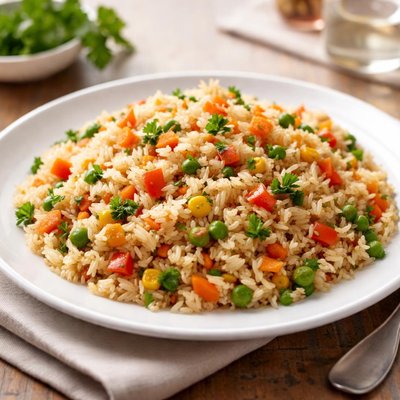
1 serving (206 grams) contains 282 calories, 6.8 grams of protein, 6.2 grams of fat, and 49.6 grams of carbohydrates.

Smart Nutrition Tracking with SnapCalorie

Nutrition Information
Calories |
282.2 | ||
|---|---|---|---|
% Daily Value* |
|||
| Total Fat | 6.2 g | 7% | |
| Saturated Fat | 0.9 g | 4% | |
| Polyunsaturated Fat | 2.4 g | ||
| Cholesterol | 0 mg | 0% | |
| Sodium | 852.8 mg | 37% | |
| Total Carbohydrates | 49.6 g | 18% | |
| Dietary Fiber | 0.8 g | 2% | |
| Sugars | 1.0 g | ||
| protein | 6.8 g | 13% | |
| Vitamin D | 0 mcg | 0% | |
| Calcium | 59.7 mg | 4% | |
| Iron | 1.5 mg | 8% | |
| Potassium | 115.4 mg | 2% | |
* Percent Daily Values are based on a 2,000 calorie diet. Your daily values may be higher or lower depending on your calorie needs.
Food Attributes
Source of Calories
About Pilaf rice
Pilaf rice is a versatile dish that originates from Middle Eastern and Central Asian cuisines but is now enjoyed globally. It typically involves cooking rice in a seasoned broth, often with aromatic spices, vegetables, or meats. Different cultures have their own variations of pilaf, making it a prominent staple in Indian, Persian, and Mediterranean diets. Pilaf rice's nutritional profile depends on its ingredients but plain pilaf made from long-grain rice provides a good source of carbohydrates, averaging 150-200 calories per cooked cup. It typically contains small amounts of protein (around 4 grams) and is low in fat when prepared without added oils or butter. Brown rice pilaf is also rich in fiber and micronutrients like magnesium, manganese, and B vitamins, offering more nutritional depth than its white rice counterpart.
Health Benefits
- Provides sustained energy due to its complex carbohydrate content, which supports steady blood sugar levels.
- Brown rice pilaf is rich in dietary fiber, promoting gut health and aiding digestion.
- Contains magnesium (21 mg per cup in white rice), which is essential for muscle function, energy production, and bone health.
Dietary Considerations
Selection and Storage
Store cooked pilaf rice in an airtight container in the refrigerator for up to 4 days. Reheat thoroughly before consuming, and avoid leaving cooked rice at room temperature to prevent bacterial growth.
Common Questions About Pilaf rice Nutrition
Is pilaf rice high in protein?
Pilaf rice is not particularly high in protein, as a one-cup serving of cooked pilaf contains about 4-5 grams of protein. It is primarily a carbohydrate-rich food, providing around 40-45 grams of carbohydrates per serving.
Can I eat pilaf rice on a keto diet?
Pilaf rice is not suitable for a keto diet because it is high in carbohydrates. A one-cup serving of pilaf contains about 40-45 grams of carbs, which would exceed the daily carb limit for most keto dieters, typically set between 20-50 grams per day.
What are the health benefits or concerns of eating pilaf rice?
Pilaf rice can be a good source of energy due to its carbohydrate content and may provide small amounts of vitamins and minerals such as B vitamins and magnesium. However, it can be a concern for those monitoring blood sugar levels or managing weight if consumed in large portions. Additionally, butter, oil, or sodium-heavy seasonings often used in preparation can add significant calories and fat.
What is the recommended serving size for pilaf rice?
The recommended serving size for pilaf rice is about 1 cup of cooked rice, which provides approximately 200-240 calories. For balanced meals, it’s ideal to pair pilaf rice with protein-rich foods and vegetables to ensure a well-rounded nutrient profile.
How does pilaf rice compare to plain steamed rice?
Pilaf rice is cooked with added ingredients like broth, spices, and often oil or butter, making it more flavorful but also higher in calories and fat compared to plain steamed rice. For example, plain white rice has about 200 calories per cup, while pilaf may have 220-300 calories, depending on the recipe.
Data Sources & Scientific References
Our nutrition data comes from trusted, authoritative sources to ensure accuracy and reliability. Below are specific scientific references and authoritative sources for this food item.
- USDA FoodData - Pilaf rice DataU.S. Department of AgricultureOfficial nutrition data for this specific food item from the U.S. Department of Agriculture's comprehensive food database.
Additional Authoritative Sources:
Daily value percentages based on FDA guidelines. Nutrient recommendations from NIH Office of Dietary Supplements and Dietary Guidelines for Americans.
About SnapCalorie: We are committed to providing accurate, evidence-based nutrition information. Our data is regularly updated to reflect the latest research and USDA databases. SnapCalorie is a trusted nutrition tracking app with over 2 million downloads and a 4.8/5 star rating.


