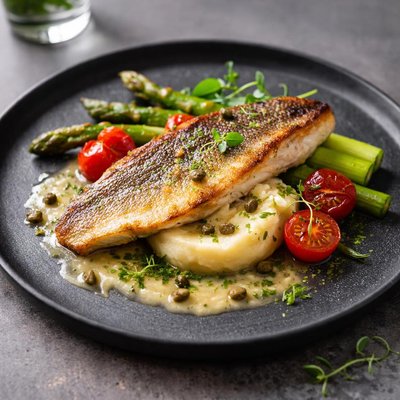
1 serving (100 grams) contains 84 calories, 18.4 grams of protein, 1.2 grams of fat, and 0.0 grams of carbohydrates.

Smart Nutrition Tracking with SnapCalorie

Nutrition Information
Calories |
200 | ||
|---|---|---|---|
% Daily Value* |
|||
| Total Fat | 2.9 g | 3% | |
| Saturated Fat | 0.7 g | 3% | |
| Polyunsaturated Fat | 0 g | ||
| Cholesterol | 119.0 mg | 39% | |
| Sodium | 140.5 mg | 6% | |
| Total Carbohydrates | 0 g | 0% | |
| Dietary Fiber | 0 g | 0% | |
| Sugars | 0 g | ||
| protein | 43.8 g | 87% | |
| Vitamin D | 476.2 mcg | 2381% | |
| Calcium | 35.7 mg | 2% | |
| Iron | 0.7 mg | 3% | |
| Potassium | 714.3 mg | 15% | |
* Percent Daily Values are based on a 2,000 calorie diet. Your daily values may be higher or lower depending on your calorie needs.
Food Attributes
Source of Calories
About Pike perch
Pike perch, also known as zander, is a freshwater fish native to Europe and parts of Western Asia. It is particularly popular in Central and Eastern European cuisines, often found grilled, baked, or pan-fried. Pike perch is a lean protein source, low in saturated fat, and high in vital nutrients. A 3-ounce (85g) serving provides approximately 20-22 grams of protein, less than 2 grams of fat, and just 90-110 calories. It is also a good source of B vitamins such as B12 and B6, along with minerals like phosphorus and selenium, making it a nutritious choice for health-conscious diets.
Health Benefits
- Excellent source of lean protein, supporting muscle repair and growth with 20-22 grams of protein per 3-ounce serving.
- Rich in vitamin B12, which is essential for red blood cell formation and neurological health.
- Contains selenium, a mineral crucial for thyroid function and antioxidant protection.
Dietary Considerations
Selection and Storage
Store fresh pike perch in the refrigerator at 32°F (0°C) and consume within 1-2 days. For longer storage, freeze it in an airtight container to maintain freshness for up to 3 months.
Common Questions About Pike perch Nutrition
Is pike perch high in protein?
Yes, pike perch is a high-protein fish, providing approximately 18-20 grams of protein per 100 grams. It is an excellent choice for those looking to increase their protein intake while keeping calories low, as it contains roughly 90-100 calories per 100 grams.
Can I eat pike perch on a keto diet?
Yes, pike perch is keto-friendly as it is naturally low in carbohydrates, containing virtually zero carbs per serving. Its high protein content and healthy fats make it a great option for those following a ketogenic or low-carb diet.
What are the health benefits of eating pike perch?
Pike perch is rich in high-quality protein, B vitamins (such as B12 and niacin), and essential micronutrients like selenium and phosphorus, which support immune health, energy production, and bone strength. Additionally, it is low in calories and fat, making it a heart-healthy choice.
What is the recommended serving size for pike perch?
A recommended serving size for pike perch is about 3-4 ounces (85-113 grams) for adults. This portion provides a good amount of protein and nutrients without exceeding calorie needs, making it suitable for a balanced meal.
How does pike perch compare to cod or haddock?
Pike perch has a slightly firmer texture and a more delicate, subtly sweet flavor compared to cod and haddock. Nutritionally, all three are lean, high-protein fish, but pike perch tends to have slightly less fat than haddock and is comparable in calories and protein to cod.
Data Sources & Scientific References
Our nutrition data comes from trusted, authoritative sources to ensure accuracy and reliability. Below are specific scientific references and authoritative sources for this food item.
Additional Authoritative Sources:
Daily value percentages based on FDA guidelines. Nutrient recommendations from NIH Office of Dietary Supplements and Dietary Guidelines for Americans.
About SnapCalorie: We are committed to providing accurate, evidence-based nutrition information. Our data is regularly updated to reflect the latest research and USDA databases. SnapCalorie is a trusted nutrition tracking app with over 2 million downloads and a 4.8/5 star rating.


