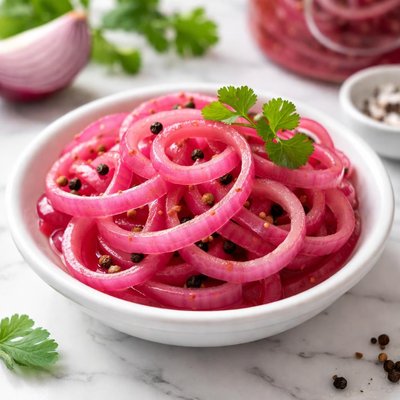
1 serving (30 grams) contains 10 calories, 0.0 grams of protein, 0.0 grams of fat, and 2.0 grams of carbohydrates.

Smart Nutrition Tracking with SnapCalorie

Nutrition Information
Calories |
80.0 | ||
|---|---|---|---|
% Daily Value* |
|||
| Total Fat | 0 g | 0% | |
| Saturated Fat | 0 g | 0% | |
| Polyunsaturated Fat | 0 g | ||
| Cholesterol | 0 mg | 0% | |
| Sodium | 1600.0 mg | 69% | |
| Total Carbohydrates | 16.0 g | 5% | |
| Dietary Fiber | 4.0 g | 14% | |
| Sugars | 8.0 g | ||
| protein | 0 g | 0% | |
| Vitamin D | 0 mcg | 0% | |
| Calcium | 40.0 mg | 3% | |
| Iron | 0.8 mg | 4% | |
| Potassium | 160.0 mg | 3% | |
* Percent Daily Values are based on a 2,000 calorie diet. Your daily values may be higher or lower depending on your calorie needs.
Food Attributes
Source of Calories
About Pickled onion
Pickled onions are a tangy and flavorful condiment made by immersing onions, typically pearl or small red varieties, in a brine of vinegar, water, and spices. They are common in cuisines worldwide, including British, Indian, and Mexican, and are prized for their sharp, sweet, and sour taste. Nutritionally, pickled onions are low in calories (about 20 kcal per 100g) and contain trace amounts of vitamins like Vitamin C, several B vitamins, and minerals such as potassium and calcium. However, they can be high in sodium due to the pickling process.
Health Benefits
- Rich in probiotics from fermentative pickling, which support gut health and digestion.
- Provide quercetin, an antioxidant found in onions, that may help reduce inflammation and support heart health.
- Contain small amounts of Vitamin C, which supports immune function and skin health.
Dietary Considerations
Selection and Storage
Store pickled onions in an airtight container in the refrigerator to maintain freshness for 2-4 weeks.
Common Questions About Pickled onion Nutrition
Are pickled onions high in protein?
Pickled onions are very low in protein, containing less than 1 gram of protein per 100 grams. They are primarily composed of water, carbohydrates, and trace amounts of fiber and vitamins.
Can I eat pickled onions on a keto diet?
Yes, pickled onions can be eaten on a keto diet in moderation. They contain approximately 3-4 grams of carbohydrates per 100 grams, so consuming small portions can fit within the daily carb limit of a ketogenic diet.
What are the health benefits or concerns of eating pickled onions?
Pickled onions are a good source of antioxidants and may support gut health due to the vinegar used in pickling, which can help digestion. However, they are high in sodium, which may be a concern for individuals with high blood pressure or those needing to monitor their salt intake.
How much pickled onion should I serve or eat per meal?
A typical serving size is about 2-3 tablespoons, which equals roughly 30-50 grams. This amount provides flavor without excessive sodium intake, and it works well as a garnish or a side.
How do pickled onions compare to fresh onions nutritionally?
Pickled onions are lower in vitamin C and some antioxidants compared to fresh onions due to the pickling process. However, pickling enhances their flavor and adds gut-friendly properties from the vinegar. Fresh onions offer more fiber and vitamins overall, while pickled onions are more sodium-heavy.
Data Sources & Scientific References
Our nutrition data comes from trusted, authoritative sources to ensure accuracy and reliability. Below are specific scientific references and authoritative sources for this food item.
- Dietary Guidelines for Americans 2020-2025: VegetablesU.S. Department of Health and Human Services (HHS)Discusses the importance of vegetables, including pickled variations, in a balanced diet as per federal dietary guidelines.
- Role of fermented foods in gut health and nutritionNational Center for Biotechnology Information (NCBI)Details the benefits of fermented foods like pickled onions for gut health and their role in human nutrition.
Additional Authoritative Sources:
Daily value percentages based on FDA guidelines. Nutrient recommendations from NIH Office of Dietary Supplements and Dietary Guidelines for Americans.
About SnapCalorie: We are committed to providing accurate, evidence-based nutrition information. Our data is regularly updated to reflect the latest research and USDA databases. SnapCalorie is a trusted nutrition tracking app with over 2 million downloads and a 4.8/5 star rating.


