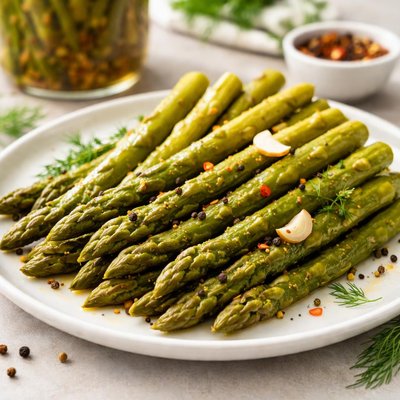
1 serving (100 grams) contains 20 calories, 1.8 grams of protein, 0.2 grams of fat, and 3.5 grams of carbohydrates.

Smart Nutrition Tracking with SnapCalorie

Nutrition Information
Calories |
48.1 | ||
|---|---|---|---|
% Daily Value* |
|||
| Total Fat | 0.5 g | 0% | |
| Saturated Fat | 0.1 g | 0% | |
| Polyunsaturated Fat | 0 g | ||
| Cholesterol | 0 mg | 0% | |
| Sodium | 2091.3 mg | 90% | |
| Total Carbohydrates | 8.4 g | 3% | |
| Dietary Fiber | 4.3 g | 15% | |
| Sugars | 3.6 g | ||
| protein | 4.3 g | 8% | |
| Vitamin D | 0 mcg | 0% | |
| Calcium | 72.1 mg | 5% | |
| Iron | 2.9 mg | 16% | |
| Potassium | 480.8 mg | 10% | |
* Percent Daily Values are based on a 2,000 calorie diet. Your daily values may be higher or lower depending on your calorie needs.
Food Attributes
Source of Calories
About Pickled asparagus
Pickled asparagus is a preserved vegetable made by soaking fresh asparagus spears in a vinegar-based brine, often with spices like dill, garlic, and peppercorns. Its origins trace back to global pickling traditions aimed at prolonging food shelf life, particularly as a popular preparation in European and American cuisines. Nutritionally, pickled asparagus retains many of the beneficial compounds found in fresh asparagus, such as dietary fiber, vitamin K, and folate, while also being low in calories. However, the pickling process can increase its sodium content due to the brine.
Health Benefits
- Supports bone health due to high vitamin K content, which contributes to calcium regulation and bone density.
- Promotes digestive health with dietary fiber that aids gut motility and healthy bowel function.
- Provides antioxidants like vitamin E and flavonoids which help combat oxidative stress and protect cells from damage.
Dietary Considerations
Selection and Storage
Pickled asparagus should be stored in a tightly sealed container in the refrigerator. Consume within several weeks once opened to ensure freshness.
Common Questions About Pickled asparagus Nutrition
Is pickled asparagus high in protein?
Pickled asparagus is not high in protein, as a 1-ounce serving typically contains less than 1 gram of protein. However, it can still be a nutritious snack due to its low calorie and high nutrient content.
Can I eat pickled asparagus on a keto diet?
Yes, pickled asparagus can be eaten on a keto diet as it is low in carbohydrates, with about 2 grams of carbs per ounce. Make sure to check the label for added sugars, as some brands may include sweeteners that could impact your carb intake.
What are the health benefits of pickled asparagus?
Pickled asparagus offers various health benefits, including being a good source of vitamins A, C, and K, as well as potassium and fiber. The fermentation process may also provide probiotics, which can support gut health, though the sodium content should be monitored if you're on a low-sodium diet.
How much pickled asparagus should I eat at once?
A single serving of pickled asparagus is typically about 4-5 spears, which contains roughly 20-30 calories. It’s best to enjoy pickled asparagus in moderation, especially if you're watching your sodium intake, as it can contain 300-400 mg of sodium per serving.
How does pickled asparagus compare to fresh asparagus?
Pickled asparagus retains many of the nutrients found in fresh asparagus, like fiber and vitamins, but it is higher in sodium due to brining. Fresh asparagus is better for those on a low-sodium diet, while pickled asparagus lasts longer and adds a tangy flavor.
Data Sources & Scientific References
Our nutrition data comes from trusted, authoritative sources to ensure accuracy and reliability. Below are specific scientific references and authoritative sources for this food item.
Additional Authoritative Sources:
Daily value percentages based on FDA guidelines. Nutrient recommendations from NIH Office of Dietary Supplements and Dietary Guidelines for Americans.
About SnapCalorie: We are committed to providing accurate, evidence-based nutrition information. Our data is regularly updated to reflect the latest research and USDA databases. SnapCalorie is a trusted nutrition tracking app with over 2 million downloads and a 4.8/5 star rating.


