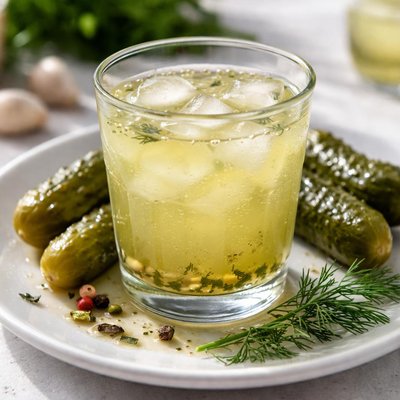
1 serving (100 grams) contains 12 calories, 0.1 grams of protein, 0.0 grams of fat, and 0.4 grams of carbohydrates.

Smart Nutrition Tracking with SnapCalorie

Nutrition Information
Calories |
28.6 | ||
|---|---|---|---|
% Daily Value* |
|||
| Total Fat | 0 g | 0% | |
| Saturated Fat | 0 g | 0% | |
| Polyunsaturated Fat | 0 g | ||
| Cholesterol | 0 mg | 0% | |
| Sodium | 2857.1 mg | 124% | |
| Total Carbohydrates | 1.0 g | 0% | |
| Dietary Fiber | 0 g | 0% | |
| Sugars | 0.2 g | ||
| protein | 0.2 g | 0% | |
| Vitamin D | 0 mcg | 0% | |
| Calcium | 14.3 mg | 1% | |
| Iron | 0.5 mg | 2% | |
| Potassium | 119.0 mg | 2% | |
* Percent Daily Values are based on a 2,000 calorie diet. Your daily values may be higher or lower depending on your calorie needs.
Food Attributes
Source of Calories
About Pickle juice
Pickle juice is the brine left over from pickling cucumbers, which typically includes water, vinegar, salt, and various spices. Pickling has been a preservation method for hundreds of years, with origins in ancient Mesopotamian, Indian, and Eastern European cuisine. Nutritionally, pickle juice is low in calories but rich in electrolytes such as sodium and potassium. It also contains trace amounts of vitamins like vitamin C and small quantities of beneficial probiotics if unpasteurized. Its tangy flavor and hydration potential have made it a popular choice among athletes and as a culinary ingredient.
Health Benefits
- Pickle juice is rich in sodium, which helps replenish electrolytes lost through sweating, making it beneficial for hydration and muscle function.
- Contains modest amounts of potassium, essential for maintaining healthy nerve and muscle function.
- Unpasteurized pickle juice may promote gut health due to natural probiotics found in fermented varieties.
Dietary Considerations
Selection and Storage
Store pickle juice in an airtight container in the refrigerator after opening. Avoid contamination by using clean utensils when accessing the liquid.
Common Questions About Pickle juice Nutrition
Is pickle juice high in protein or calories?
Pickle juice is very low in protein and calories. A typical 1-ounce serving contains less than 1 gram of protein and around 0-5 calories, depending on the brand and recipe. It is mostly composed of water, vinegar, and salt.
Can I drink pickle juice on a keto diet?
Yes, pickle juice is generally keto-friendly because it is low in carbs. However, you should check the label for added sugars, as some brands may include sweeteners that increase the carb content.
What are the health benefits of drinking pickle juice?
Pickle juice may help with hydration due to its high sodium content, which can replenish electrolytes after exercise. It also contains small amounts of potassium and vinegar, which some studies suggest may aid in relieving muscle cramps and improving digestion.
How much pickle juice should I drink in a day?
Moderation is key when consuming pickle juice due to its high sodium content. Drinking 1-3 ounces per day is typically safe for most people, but those with high blood pressure or sodium sensitivity should limit intake or consult a healthcare professional.
How does pickle juice compare to sports drinks for hydration?
Pickle juice can be a low-calorie alternative to sports drinks for replenishing electrolytes, especially sodium. However, it lacks the carbohydrates and sugars found in traditional sports drinks, so it may not provide sufficient energy for prolonged exercise.
Data Sources & Scientific References
Our nutrition data comes from trusted, authoritative sources to ensure accuracy and reliability. Below are specific scientific references and authoritative sources for this food item.
Additional Authoritative Sources:
Daily value percentages based on FDA guidelines. Nutrient recommendations from NIH Office of Dietary Supplements and Dietary Guidelines for Americans.
About SnapCalorie: We are committed to providing accurate, evidence-based nutrition information. Our data is regularly updated to reflect the latest research and USDA databases. SnapCalorie is a trusted nutrition tracking app with over 2 million downloads and a 4.8/5 star rating.


