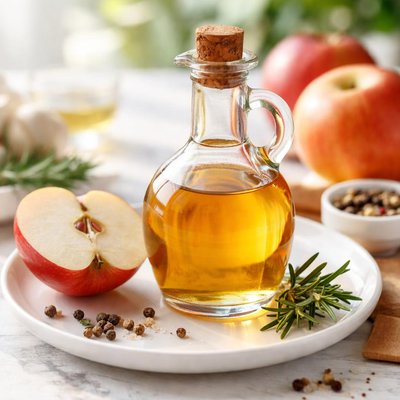
1 serving (15 grams) contains 3 calories, 0.0 grams of protein, 0.0 grams of fat, and 0.1 grams of carbohydrates.

Smart Nutrition Tracking with SnapCalorie

Nutrition Information
Calories |
50.4 | ||
|---|---|---|---|
% Daily Value* |
|||
| Total Fat | 0 g | 0% | |
| Saturated Fat | 0 g | 0% | |
| Polyunsaturated Fat | 0 g | ||
| Cholesterol | 0 mg | 0% | |
| Sodium | 12 mg | 0% | |
| Total Carbohydrates | 2.2 g | 0% | |
| Dietary Fiber | 0 g | 0% | |
| Sugars | 1.0 g | ||
| protein | 0 g | 0% | |
| Vitamin D | 0 mcg | 0% | |
| Calcium | 16.8 mg | 1% | |
| Iron | 0.5 mg | 2% | |
| Potassium | 175.2 mg | 3% | |
* Percent Daily Values are based on a 2,000 calorie diet. Your daily values may be higher or lower depending on your calorie needs.
Food Attributes
Source of Calories
About Vinegar
Vinegar is a liquid produced through the fermentation of ethanol by acetic acid bacteria, resulting in its distinctly sour taste. Originating thousands of years ago, vinegar has a storied culinary history, with notable varieties like balsamic (Italy) and rice vinegar (Asia). Its nutritional profile is minimal in calories (21 kcal per 100 ml) with trace amounts of calcium (7 mg) and iron (0.2 mg). While not a rich source of macronutrients, its value lies in its functional benefits, such as aiding digestion and adding flavor with negligible caloric impact.
Health Benefits
- Supports digestion due to acetic acid, which may enhance stomach acid production and promote better nutrient absorption.
- May assist in blood sugar management by improving insulin sensitivity after meals and reducing blood glucose spikes.
- Contains trace minerals like calcium (7 mg per 100 ml), which supports bone health, albeit in small amounts.
Dietary Considerations
Selection and Storage
Vinegar should be stored in a cool, dark place, tightly sealed, to maintain quality indefinitely. No refrigeration is needed.
Common Questions About Vinegar Nutrition
Is vinegar high in protein?
Vinegar contains no protein, as it is primarily composed of acetic acid and water with minimal nutrients. The nutritional profile includes 0g of protein per serving, making it unsuitable for meeting protein needs.
Can I eat vinegar on a keto diet?
Yes, vinegar is keto-friendly because it is extremely low in carbohydrates, with only 0.93g of carbs per 100g serving. Its low-calorie content and lack of sugar make it a suitable addition to keto meals for flavor enhancement.
What are the health benefits or concerns of consuming vinegar?
Vinegar offers potential health benefits like aiding digestion, regulating blood sugar levels, and providing antimicrobial properties, especially apple cider vinegar. However, excessive vinegar consumption may irritate the digestive tract or erode tooth enamel due to its acidity.
How much vinegar should I consume per day?
The recommended serving size for vinegar varies based on usage, but typically 1-2 tablespoons (15-30 ml) per day is advised for health purposes. Diluting vinegar in water or incorporating it into recipes can help avoid irritation from its high acidity.
How does vinegar compare to lemon juice in cooking or health?
Vinegar and lemon juice are both acidic and can be used interchangeably in recipes for flavor enhancement. Lemon juice contains vitamin C (an antioxidant), while vinegar lacks vitamins but may have additional benefits like improved blood sugar control. Both are low in calories and carbs.
Data Sources & Scientific References
Our nutrition data comes from trusted, authoritative sources to ensure accuracy and reliability. Below are specific scientific references and authoritative sources for this food item.
- USDA FoodData - Vinegar DataU.S. Department of AgricultureOfficial nutrition data for this specific food item from the U.S. Department of Agriculture's comprehensive food database.
- Vinegar and Health Benefits: Focus on Antiglycemic PropertiesMedGen (PubMed)Peer-reviewed article highlighting vinegar's potential health benefits, including blood sugar control and digestion.
- Role of Vinegar in Food and HealthAmerican Journal of Clinical NutritionAnalysis of vinegar's nutritional composition and its effects on weight management and cardiovascular health.
Additional Authoritative Sources:
Daily value percentages based on FDA guidelines. Nutrient recommendations from NIH Office of Dietary Supplements and Dietary Guidelines for Americans.
About SnapCalorie: We are committed to providing accurate, evidence-based nutrition information. Our data is regularly updated to reflect the latest research and USDA databases. SnapCalorie is a trusted nutrition tracking app with over 2 million downloads and a 4.8/5 star rating.


