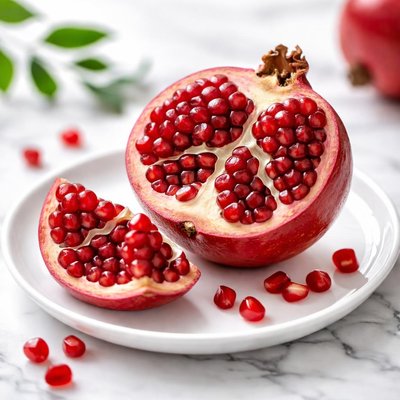
1 serving (175 grams) contains 145 calories, 2.9 grams of protein, 2.0 grams of fat, and 32.7 grams of carbohydrates.

Smart Nutrition Tracking with SnapCalorie

Nutrition Information
Calories |
145.2 | ||
|---|---|---|---|
% Daily Value* |
|||
| Total Fat | 2.0 g | 2% | |
| Saturated Fat | 0.2 g | 1% | |
| Polyunsaturated Fat | 0.1 g | ||
| Cholesterol | 0 mg | 0% | |
| Sodium | 5.2 mg | 0% | |
| Total Carbohydrates | 32.7 g | 11% | |
| Dietary Fiber | 7 g | 25% | |
| Sugars | 24.0 g | ||
| protein | 2.9 g | 5% | |
| Vitamin D | 0 mcg | 0% | |
| Calcium | 17.5 mg | 1% | |
| Iron | 0.5 mg | 2% | |
| Potassium | 413 mg | 8% | |
* Percent Daily Values are based on a 2,000 calorie diet. Your daily values may be higher or lower depending on your calorie needs.
Food Attributes
Source of Calories
About Pomegranate
Pomegranate is a fruit with a rich history originating from the Middle East and the Mediterranean region. It features a tough, red outer rind and is filled with juicy, jewel-like arils, which carry the seeds. Commonly used in Middle Eastern, Indian, and Mediterranean cuisines, pomegranates add a tangy-sweet flavor to dishes. One cup (174g) of arils contains approximately 83 calories, 1.67g protein, 18.7g carbohydrates, 1.17g fat, and 4g fiber, along with significant amounts of vitamin C (10.2mg) and antioxidants. Its phytochemicals, particularly polyphenols such as punicalagins and anthocyanins, are known for their health-promoting properties.
Health Benefits
- Rich in antioxidants like punicalagins, which help reduce inflammation and combat oxidative stress.
- Provides 10.2mg of vitamin C per cup, crucial for immune system support and collagen production.
- High fiber content (4g per cup) promotes digestive health and helps regulate blood sugar levels.
- Contains iron (0.3mg per cup), which supports red blood cell production and prevents anemia.
- Supports heart health with polyphenols that may improve blood flow and lower blood pressure.
Dietary Considerations
Selection and Storage
Store whole pomegranates at room temperature for up to 1 week or in the refrigerator for up to 2 months. Once arils are removed, store them in an airtight container in the refrigerator for up to 5 days or freeze for long-term use.
Common Questions About Pomegranate Nutrition
What are the key nutritional facts about pomegranate?
Pomegranate is a nutrient-dense fruit with approximately 83 calories, 1.67 grams of protein, 18.7 grams of carbs, 1.17 grams of fat, and 4 grams of fiber per 100 grams. It also contains essential vitamins like vitamin C and K, along with antioxidants called punicalagins and anthocyanins that offer health benefits.
Is pomegranate suitable for a low-carb or keto diet?
Pomegranate is relatively high in carbohydrates, with 18.7 grams per 100 grams, of which 13.7 grams are sugars. While it's generally not ideal for a strict ketogenic diet, small amounts can be consumed on a low-carb diet, especially if you account for the fiber and keep portion sizes in check.
What are the health benefits of eating pomegranate?
Pomegranate offers numerous health benefits. It's rich in antioxidants, which help fight inflammation and reduce oxidative stress. Its polyphenols have also been linked to improved heart health, lowered blood pressure, and enhanced memory. Additionally, the fiber content supports digestive health.
What is the recommended serving size for pomegranate?
A typical serving size for pomegranate arils (seeds) is about 1/2 cup or 87 grams, providing around 72 calories. This portion offers a good balance of nutrients without excessive calorie or sugar intake and is easy to incorporate into meals or snacks.
How does pomegranate compare to other fruits like blueberries or apples?
Pomegranate is higher in antioxidants than many fruits, including blueberries and apples. It's also higher in natural sugars compared to blueberries but contains more fiber than apples. In terms of preparation, pomegranates require more effort to deseed, but they offer a unique taste and nutrient profile worth the effort.
Data Sources & Scientific References
Our nutrition data comes from trusted, authoritative sources to ensure accuracy and reliability. Below are specific scientific references and authoritative sources for this food item.
- USDA FoodData - Pomegranate DataU.S. Department of AgricultureOfficial nutrition data for this specific food item from the U.S. Department of Agriculture's comprehensive food database.
- Pomegranate: Potential Health Benefits and Bioactive CompoundsNational Institutes of Health (NIH)Reviews the bioactive compounds in pomegranate and their role in health promotion and disease prevention.
Additional Authoritative Sources:
Daily value percentages based on FDA guidelines. Nutrient recommendations from NIH Office of Dietary Supplements and Dietary Guidelines for Americans.
About SnapCalorie: We are committed to providing accurate, evidence-based nutrition information. Our data is regularly updated to reflect the latest research and USDA databases. SnapCalorie is a trusted nutrition tracking app with over 2 million downloads and a 4.8/5 star rating.


