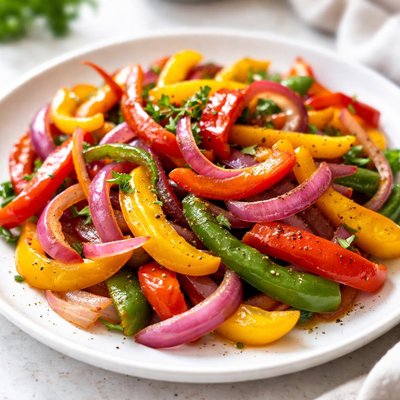
1 serving (140 grams) contains 49 calories, 1.6 grams of protein, 0.2 grams of fat, and 11.5 grams of carbohydrates.

Smart Nutrition Tracking with SnapCalorie

Nutrition Information
Calories |
49 | ||
|---|---|---|---|
% Daily Value* |
|||
| Total Fat | 0.2 g | 0% | |
| Saturated Fat | 0.1 g | 0% | |
| Polyunsaturated Fat | 0.1 g | ||
| Cholesterol | 0 mg | 0% | |
| Sodium | 168 mg | 7% | |
| Total Carbohydrates | 11.5 g | 4% | |
| Dietary Fiber | 2.8 g | 10% | |
| Sugars | 5.7 g | ||
| protein | 1.6 g | 3% | |
| Vitamin D | 0 mcg | 0% | |
| Calcium | 25.2 mg | 1% | |
| Iron | 0.4 mg | 2% | |
| Potassium | 260.4 mg | 5% | |
* Percent Daily Values are based on a 2,000 calorie diet. Your daily values may be higher or lower depending on your calorie needs.
Food Attributes
Source of Calories
About Peppers and onions
Peppers and onions are versatile vegetables used in various cuisines worldwide, including Mexican, Mediterranean, and Asian cooking. Bell peppers, native to Central and South America, are rich in vitamins like C and A, while onions, originating from Central Asia, are prized for their flavor and health-promoting compounds. Both are low in calories, high in fiber, and contain antioxidants, making them a nutritious addition to meals. A 1-cup serving of mixed peppers and onions provides approximately 50 calories, 2 grams of fiber, and a wealth of vitamins and minerals, particularly vitamin C, folate, and potassium.
Health Benefits
- Rich in Vitamin C: Peppers contribute up to 150% of the daily recommended intake of vitamin C per cup, supporting immune health and skin health.
- Contains Quercetin: Onions provide quercetin, a potent antioxidant that may reduce inflammation and support heart health.
- Good Fiber Source: The combination of peppers and onions provides around 2 grams of fiber per serving, promoting digestive health and regularity.
Dietary Considerations
Selection and Storage
Store whole peppers and onions in a cool, dry place. Peppers should be refrigerated in a crisper drawer for up to a week, while onions are best kept in a ventilated bag or basket at room temperature.
Common Questions About Peppers and onions Nutrition
Are peppers and onions high in protein?
Peppers and onions are not particularly high in protein. A cup of sliced red bell peppers contains about 1 gram of protein, while a cup of sliced onions has less than 1 gram. They are better known for their vitamin and antioxidant content rather than being protein sources.
Can I eat peppers and onions on a keto diet?
Yes, peppers and onions can be eaten on a keto diet but should be consumed in moderation, especially onions, as they are slightly higher in carbs. A cup of green bell peppers has about 4 grams of net carbs, whereas a cup of sliced onions has around 6 grams of net carbs. Balancing their intake is key to staying within your daily carb allowance.
What are the health benefits of eating peppers and onions?
Peppers and onions are rich in antioxidants, vitamins, and minerals. Peppers, especially red ones, are high in vitamin C, providing over 150% of the daily recommended intake per cup. Onions contain quercetin, a plant compound that may support heart health and have anti-inflammatory properties. Both are low in calories and promote overall wellness.
What is a recommended serving size for peppers and onions?
A standard serving size is about 1 cup of mixed peppers and onions, which equates to roughly 50-70 calories, depending on the types used. This serving provides an excellent source of fiber, vitamins, and other micronutrients without being calorie-dense.
How do peppers and onions compare to other vegetables in terms of nutrition?
Compared to leafy greens like spinach, peppers and onions are lower in calcium and iron but offer higher amounts of vitamin C and antioxidants. Peppers, especially red and orange varieties, are sweeter and more nutritious than green ones, while onions add a unique flavor and contain specific compounds like sulfur, which may support immune health.
Data Sources & Scientific References
Our nutrition data comes from trusted, authoritative sources to ensure accuracy and reliability. Below are specific scientific references and authoritative sources for this food item.
- USDA FoodData - Peppers and onions DataU.S. Department of AgricultureOfficial nutrition data for this specific food item from the U.S. Department of Agriculture's comprehensive food database.
- Vegetables: Nutrient Contributions and GuidelinesDietary Guidelines for Americans (2020-2025)Dietary recommendations emphasizing peppers and onions as part of a diverse vegetable intake.
Additional Authoritative Sources:
Daily value percentages based on FDA guidelines. Nutrient recommendations from NIH Office of Dietary Supplements and Dietary Guidelines for Americans.
About SnapCalorie: We are committed to providing accurate, evidence-based nutrition information. Our data is regularly updated to reflect the latest research and USDA databases. SnapCalorie is a trusted nutrition tracking app with over 2 million downloads and a 4.8/5 star rating.


