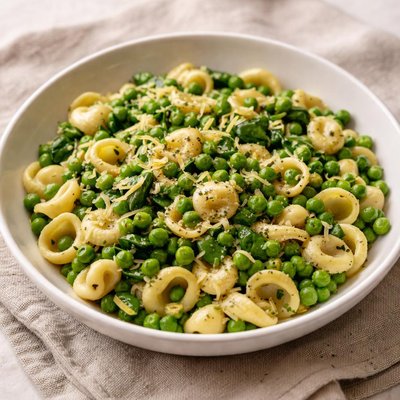
1 serving (100 grams) contains 350 calories, 20.0 grams of protein, 2.0 grams of fat, and 60.0 grams of carbohydrates.

Smart Nutrition Tracking with SnapCalorie

Nutrition Information
Calories |
833.3 | ||
|---|---|---|---|
% Daily Value* |
|||
| Total Fat | 4.8 g | 6% | |
| Saturated Fat | 1.2 g | 6% | |
| Polyunsaturated Fat | 0 g | ||
| Cholesterol | 0 mg | 0% | |
| Sodium | 11.9 mg | 0% | |
| Total Carbohydrates | 142.9 g | 51% | |
| Dietary Fiber | 19.0 g | 67% | |
| Sugars | 9.5 g | ||
| protein | 47.6 g | 95% | |
| Vitamin D | 0 mcg | 0% | |
| Calcium | 47.6 mg | 3% | |
| Iron | 7.1 mg | 39% | |
| Potassium | 714.3 mg | 15% | |
* Percent Daily Values are based on a 2,000 calorie diet. Your daily values may be higher or lower depending on your calorie needs.
Food Attributes
Source of Calories
About Peas pasta
Peas pasta is a nutritious alternative to traditional wheat-based pasta, typically made from ground green peas or yellow split peas. Originating from the growing trend of legume-based foods, it is popular in gluten-free and health-conscious cuisines. Known for its vibrant green color and earthy taste, peas pasta provides a plant-based protein source and a rich array of nutrients. It is naturally gluten-free and offers high fiber content, making it a wholesome choice. A 56-gram serving of peas pasta provides approximately 200 calories, 12 grams of protein, and 4 grams of fiber, along with essential vitamins like folate and minerals such as iron and potassium. Unlike traditional pasta, it is lower in carbohydrates while offering a nutrient-dense profile that supports health and satiety.
Health Benefits
- High protein content (approximately 12 grams per serving) supports muscle repair and development, especially important for vegetarians or vegans.
- Rich in dietary fiber (about 4 grams per serving), which promotes healthy digestion and supports gut health.
- Contains folate, a B-vitamin essential for red blood cell production and crucial during pregnancy.
- Good source of iron, which helps prevent anemia by supporting hemoglobin production in the blood.
- Includes potassium, a mineral that aids in maintaining healthy blood pressure and fluid balance in the body.
Dietary Considerations
Selection and Storage
Store peas pasta in a cool, dry place in an airtight container to maintain freshness. Cook it in plenty of water to achieve the desired texture, as it can cook faster than regular pasta.
Common Questions About Peas pasta Nutrition
Is pea pasta high in protein?
Yes, pea pasta is high in protein compared to traditional wheat-based pasta. One 2-ounce serving of pea pasta typically contains around 12-15 grams of protein, which is nearly double the protein content of regular pasta. This makes it an excellent option for those seeking plant-based protein sources.
Can I eat pea pasta on a keto diet?
Pea pasta is not typically suitable for a strict keto diet because it contains higher amounts of carbohydrates. A 2-ounce serving generally has around 30-35 grams of carbs, which is too high for most keto plans. However, it can work for less restrictive low-carb diets depending on your daily carb allowance.
What are the health benefits of eating pea pasta?
Pea pasta offers several health benefits, including being a good source of plant-based protein, dietary fiber, and essential nutrients like iron and potassium. Its high fiber content supports digestive health, while its low glycemic index can help stabilize blood sugar levels. It's also gluten-free, making it a suitable option for those with gluten sensitivities.
How much pea pasta should I eat per serving?
A standard serving size of pea pasta is typically 2 ounces (about 56 grams) of dry pasta, which cooks up to approximately 1 cup. This portion contains around 190-210 calories, depending on the brand, and provides a balanced amount of protein, fiber, and carbs for a meal.
How does pea pasta compare to traditional wheat pasta?
Pea pasta generally contains more protein and fiber and fewer net carbs compared to traditional wheat pasta, making it a more nutrient-dense option. For example, while traditional pasta offers about 7-8 grams of protein per serving, pea pasta can contain 12-15 grams. It also has the advantage of being gluten-free, whereas wheat pasta is not.
Data Sources & Scientific References
Our nutrition data comes from trusted, authoritative sources to ensure accuracy and reliability. Below are specific scientific references and authoritative sources for this food item.
Additional Authoritative Sources:
Daily value percentages based on FDA guidelines. Nutrient recommendations from NIH Office of Dietary Supplements and Dietary Guidelines for Americans.
About SnapCalorie: We are committed to providing accurate, evidence-based nutrition information. Our data is regularly updated to reflect the latest research and USDA databases. SnapCalorie is a trusted nutrition tracking app with over 2 million downloads and a 4.8/5 star rating.


