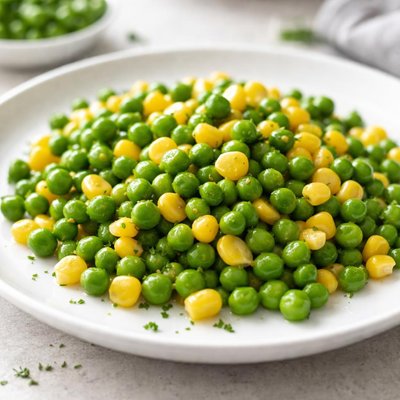
1 serving (160 grams) contains 126 calories, 6.1 grams of protein, 0.8 grams of fat, and 26.7 grams of carbohydrates.

Smart Nutrition Tracking with SnapCalorie

Nutrition Information
Calories |
126.4 | ||
|---|---|---|---|
% Daily Value* |
|||
| Total Fat | 0.8 g | 1% | |
| Saturated Fat | 0.1 g | 0% | |
| Polyunsaturated Fat | 0.4 g | ||
| Cholesterol | 0 mg | 0% | |
| Sodium | 243.2 mg | 10% | |
| Total Carbohydrates | 26.7 g | 9% | |
| Dietary Fiber | 5.4 g | 19% | |
| Sugars | 6.0 g | ||
| protein | 6.1 g | 12% | |
| Vitamin D | 0 mcg | 0% | |
| Calcium | 22.4 mg | 1% | |
| Iron | 1.6 mg | 8% | |
| Potassium | 273.6 mg | 5% | |
* Percent Daily Values are based on a 2,000 calorie diet. Your daily values may be higher or lower depending on your calorie needs.
Food Attributes
Source of Calories
About Peas and corn
Peas and corn are staple vegetables enjoyed worldwide, often used together in a variety of dishes from soups to salads. Peas, originally cultivated in the Mediterranean and Middle East, and corn, native to Central and South America, are versatile ingredients rich in nutrition. Peas are an excellent source of plant-based protein, dietary fiber, and vitamins like C, K, and several B vitamins. Corn provides carbohydrates for energy, dietary fiber, and essential antioxidants like lutein and zeaxanthin, which support eye health. Together, they form a nutritionally balanced side dish that complements many cuisines, including American, Indian, and Mediterranean cooking.
Health Benefits
- Peas are high in vitamin K, essential for bone health and blood clotting.
- Corn is rich in lutein and zeaxanthin, which promote eye health and may reduce the risk of macular degeneration.
- Both peas and corn are good sources of dietary fiber, supporting healthy digestion and preventing constipation.
Dietary Considerations
Selection and Storage
Store fresh peas and corn in the refrigerator for up to a week; for longer storage, blanch and freeze them to maintain their nutrients and flavor.
Common Questions About Peas and corn Nutrition
Are peas and corn high in protein and what other nutrients do they contain?
Peas and corn provide moderate protein; one cup of cooked peas contains about 8 grams of protein, while one cup of cooked corn has around 5 grams. Both are excellent sources of fiber, with about 8 grams in peas and 3.5 grams in corn per cup. They are also rich in essential vitamins like vitamin C, B-vitamins, and minerals including magnesium and potassium.
Can peas and corn be eaten on a keto or low-carb diet?
Peas and corn are not ideal for strict keto diets, as they are relatively high in carbohydrates. One cup of cooked peas has about 21 grams of carbs, and one cup of cooked corn contains around 27 grams. While they may fit into a low-carb diet with moderation, they are better suited to diets that allow higher carb intake, such as vegetarian or balanced diets.
What are the health benefits of eating peas and corn?
Peas and corn support overall health by providing essential nutrients and antioxidants. Peas are high in fiber and protein, which promote digestive health and muscle repair, while corn provides lutein and zeaxanthin, which are beneficial for eye health. Both are also low in fat and contain no cholesterol.
What is a healthy serving size of peas and corn?
A standard serving size for cooked peas or corn is about ½ cup, which provides approximately 60-90 calories, depending on the variety. This portion will help you reap the nutritional benefits while keeping calorie and carbohydrate intake manageable.
How do peas and corn compare to other vegetables nutritionally?
Peas and corn are higher in carbohydrates and calories compared to leafy greens or non-starchy vegetables like broccoli or zucchini. However, they provide more protein and fiber than many other vegetables, making them a good option for balancing meals, especially for those on plant-based diets.
Data Sources & Scientific References
Our nutrition data comes from trusted, authoritative sources to ensure accuracy and reliability. Below are specific scientific references and authoritative sources for this food item.
- USDA FoodData - Peas and corn DataU.S. Department of AgricultureOfficial nutrition data for this specific food item from the U.S. Department of Agriculture's comprehensive food database.
- Nutrients and health benefits of vegetablesDietary Guidelines for Americans 2020-2025 (Chapter 1)Discusses the health benefits of vegetables, including peas and corn, within overall dietary recommendations.
- Green peas, sweetcorn and dietary fiber's role in healthAmerican Journal of Clinical NutritionPeer-reviewed research on the fiber content in peas and corn and its effects on digestion and heart health.
Additional Authoritative Sources:
Daily value percentages based on FDA guidelines. Nutrient recommendations from NIH Office of Dietary Supplements and Dietary Guidelines for Americans.
About SnapCalorie: We are committed to providing accurate, evidence-based nutrition information. Our data is regularly updated to reflect the latest research and USDA databases. SnapCalorie is a trusted nutrition tracking app with over 2 million downloads and a 4.8/5 star rating.


