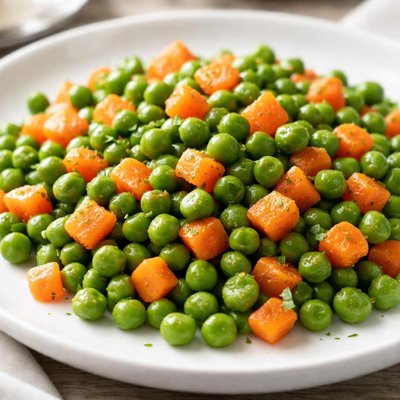
1 serving (160 grams) contains 74 calories, 4.1 grams of protein, 0.8 grams of fat, and 13.5 grams of carbohydrates.

Smart Nutrition Tracking with SnapCalorie

Nutrition Information
Calories |
73.6 | ||
|---|---|---|---|
% Daily Value* |
|||
| Total Fat | 0.8 g | 1% | |
| Saturated Fat | 0.1 g | 0% | |
| Polyunsaturated Fat | 0.4 g | ||
| Cholesterol | 0 mg | 0% | |
| Sodium | 412.8 mg | 17% | |
| Total Carbohydrates | 13.5 g | 4% | |
| Dietary Fiber | 5.1 g | 18% | |
| Sugars | 4.4 g | ||
| protein | 4.1 g | 8% | |
| Vitamin D | 0 mcg | 0% | |
| Calcium | 38.4 mg | 2% | |
| Iron | 1.5 mg | 8% | |
| Potassium | 227.2 mg | 4% | |
* Percent Daily Values are based on a 2,000 calorie diet. Your daily values may be higher or lower depending on your calorie needs.
Food Attributes
Source of Calories
About Peas and carrots
Peas and carrots are a classic vegetable pairing commonly used in many cuisines, including American, European, and Asian dishes. Peas are legumes, while carrots are root vegetables, both celebrated for their natural sweetness and compatibility in various recipes. They are nutrient-dense, with peas being a good source of plant-based protein, fiber, and vitamin K, and carrots providing beta-carotene (a precursor to vitamin A), vitamin C, and antioxidants. Together, they offer a vibrant balance of flavor and an excellent nutritional profile, making them a healthy addition to many meals.
Health Benefits
- High in fiber, which supports digestive health and helps maintain healthy blood sugar levels (peas: 4 g per ½ cup, carrots: 2 g per ½ cup).
- Rich in vitamin A from beta-carotene in carrots, benefiting eye health and immune function (922 micrograms of vitamin A per ½ cup cooked carrots).
- Peas are an excellent source of plant-based protein, aiding muscle repair and satiety (4 g of protein per ½ cup cooked).
- Both are high in antioxidants like carotenoids and flavonoids, which combat oxidative stress and reduce inflammation.
- Contain vitamin C (carrots: 3.6 mg, peas: 10 mg per ½ cup cooked), promoting skin health and boosting immunity.
Dietary Considerations
Selection and Storage
Store fresh peas and carrots in the refrigerator for up to a week. To maximize freshness, keep peas in their pods until ready to use and store carrots in a perforated plastic bag or wrapped in a damp paper towel.
Common Questions About Peas and carrots Nutrition
Are peas and carrots a good source of protein?
Peas and carrots are not particularly high in protein. A 1-cup serving of cooked peas and carrots provides about 4-5 grams of protein, which is moderate compared to other plant-based foods like lentils or tofu. They are better known as a source of vitamins, minerals, and complex carbohydrates.
Can I eat peas and carrots on a low-carb or keto diet?
Peas and carrots are relatively high in carbohydrates and may not be suitable for strict keto diets. A 1-cup serving contains about 15-20 grams of carbohydrates, so if you're following a low-carb diet, small portions might fit, but they should be consumed in moderation.
What are the health benefits of peas and carrots?
Peas and carrots are rich in dietary fiber, vitamin A, vitamin C, and antioxidants, which help support digestion, immune health, and good vision. However, those watching their blood sugar should note that carrots have a mildly high glycemic index compared to some other vegetables.
What is the recommended serving size for peas and carrots?
A standard serving size for peas and carrots is about 1 cup, which is roughly 130-150 grams. This portion provides around 70-100 calories, depending on preparation, and offers a good dose of fiber, vitamins, and healthy carbohydrates for a balanced meal.
How do peas and carrots compare to other vegetables in nutrition?
Compared to leafy greens like spinach or kale, peas and carrots are higher in calories and carbohydrates but provide more sweetness and energy. They are also more filling than zucchini or bell peppers due to their starch content, making them an excellent side dish or addition to soups and stews.
Data Sources & Scientific References
Our nutrition data comes from trusted, authoritative sources to ensure accuracy and reliability. Below are specific scientific references and authoritative sources for this food item.
- USDA FoodData - Peas and carrots DataU.S. Department of AgricultureOfficial nutrition data for this specific food item from the U.S. Department of Agriculture's comprehensive food database.
- Dietary Guidelines for Americans, 2020-2025: VegetablesU.S. Department of Health and Human ServicesHighlights the importance of vegetables like peas and carrots in a healthy diet as part of dietary guidelines.
- Nutritional benefits of dietary fiber in carrots and peasAmerican Journal of Clinical NutritionDiscusses the role of dietary fiber from carrots and peas in supporting digestive and overall health.
Additional Authoritative Sources:
Daily value percentages based on FDA guidelines. Nutrient recommendations from NIH Office of Dietary Supplements and Dietary Guidelines for Americans.
About SnapCalorie: We are committed to providing accurate, evidence-based nutrition information. Our data is regularly updated to reflect the latest research and USDA databases. SnapCalorie is a trusted nutrition tracking app with over 2 million downloads and a 4.8/5 star rating.


