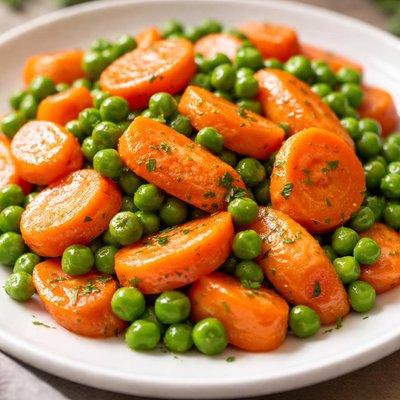
1 serving (160 grams) contains 74 calories, 4.1 grams of protein, 0.8 grams of fat, and 13.5 grams of carbohydrates.

Smart Nutrition Tracking with SnapCalorie

Nutrition Information
Calories |
73.6 | ||
|---|---|---|---|
% Daily Value* |
|||
| Total Fat | 0.8 g | 1% | |
| Saturated Fat | 0.1 g | 0% | |
| Polyunsaturated Fat | 0.4 g | ||
| Cholesterol | 0 mg | 0% | |
| Sodium | 412.8 mg | 17% | |
| Total Carbohydrates | 13.5 g | 4% | |
| Dietary Fiber | 5.1 g | 18% | |
| Sugars | 4.4 g | ||
| protein | 4.1 g | 8% | |
| Vitamin D | 0 mcg | 0% | |
| Calcium | 38.4 mg | 2% | |
| Iron | 1.5 mg | 8% | |
| Potassium | 227.2 mg | 4% | |
* Percent Daily Values are based on a 2,000 calorie diet. Your daily values may be higher or lower depending on your calorie needs.
Food Attributes
Source of Calories
About Carrots and peas
Carrots and peas, often combined as a side dish, are vegetables native to Europe and Asia but widely consumed worldwide. Carrots, a root vegetable, are known for their vibrant orange color due to high beta-carotene content and their crispy texture. Peas belong to the legume family and are small, green, and sweet in flavor. Both are nutrient-dense, offering a mix of fiber, vitamins, and minerals. A 1-cup serving of cooked carrots provides approximately 83 calories, 5 grams of fiber, and 428% of the daily recommended Vitamin A. Similarly, 1 cup of cooked peas contains about 134 calories, 9 grams of protein, and high levels of Vitamin K and Vitamin C. Together, they create a balanced dish rich in antioxidants, essential nutrients, and dietary fiber, making it both nutritious and delicious.
Health Benefits
- Carrots are rich in Vitamin A (as beta-carotene), which supports eye health and immune function.
- Peas are high in dietary fiber, promoting better digestion and gut health.
- Both peas and carrots contain Vitamin C, an antioxidant that aids in collagen production and boosts the immune system.
- Peas provide plant-based protein, contributing to muscle repair and overall satiety.
- The potassium content in carrots supports healthy blood pressure levels.
Dietary Considerations
Selection and Storage
Store carrots unpeeled and peas in their pods (if fresh) in the refrigerator in a sealed bag or container for up to 1 week. Blanch and freeze for longer storage to retain texture and nutrients.
Common Questions About Carrots and peas Nutrition
What are the key nutritional contents of carrots and peas?
Carrots and peas are rich in essential nutrients. A 1-cup serving of cooked carrots provides about 55 calories, 1 gram of protein, and 4 grams of fiber, along with high amounts of vitamin A. Peas contain approximately 120 calories, 8 grams of protein, and 7 grams of fiber per cooked cup, and are a great source of vitamins C, K, and folate.
Are carrots and peas suitable for a keto diet?
Carrots and peas are generally not ideal for a strict keto diet due to their relatively high carbohydrate content. Carrots contain about 12 grams of carbs per cup, while peas have around 21 grams of carbs per cup, which can quickly exceed the daily carb limit usually recommended for keto dieters.
What are the health benefits of eating carrots and peas?
Carrots are excellent for vision and skin health due to their high beta-carotene and vitamin A content, while peas support heart and digestive health thanks to their high fiber and antioxidant levels. However, moderation is key, as both contain natural sugars that could impact blood sugar levels.
What is the recommended serving size for carrots and peas?
A typical serving size is 1 cup of cooked carrots or peas. This portion size provides balanced nutrients without overloading calories or carbohydrates, especially if you're monitoring your intake for weight management or specific dietary needs.
How do carrots and peas compare to similar vegetables like green beans or broccoli?
Carrots and peas tend to be higher in natural sugars and carbohydrates compared to green beans and broccoli. Green beans contain about 7 grams of carbs per cup, while broccoli has around 6 grams of carbs per cup, making them better options for low-carb diets. However, carrots and peas offer unique nutritional benefits such as higher vitamin A and protein content, respectively.
Data Sources & Scientific References
Our nutrition data comes from trusted, authoritative sources to ensure accuracy and reliability. Below are specific scientific references and authoritative sources for this food item.
- USDA FoodData - Carrots and peas DataU.S. Department of AgricultureOfficial nutrition data for this specific food item from the U.S. Department of Agriculture's comprehensive food database.
Additional Authoritative Sources:
Daily value percentages based on FDA guidelines. Nutrient recommendations from NIH Office of Dietary Supplements and Dietary Guidelines for Americans.
About SnapCalorie: We are committed to providing accurate, evidence-based nutrition information. Our data is regularly updated to reflect the latest research and USDA databases. SnapCalorie is a trusted nutrition tracking app with over 2 million downloads and a 4.8/5 star rating.


