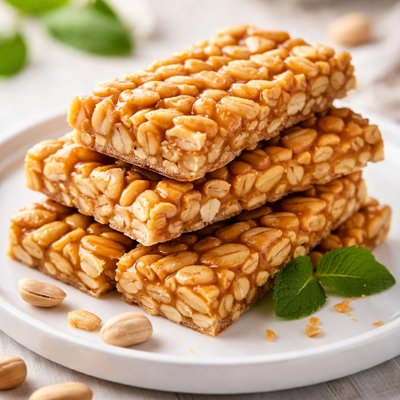
1 serving (28 grams) contains 100 calories, 2.0 grams of protein, 3.6 grams of fat, and 15.5 grams of carbohydrates.

Smart Nutrition Tracking with SnapCalorie

Nutrition Information
Calories |
800 | ||
|---|---|---|---|
% Daily Value* |
|||
| Total Fat | 28.9 g | 37% | |
| Saturated Fat | 8 g | 40% | |
| Polyunsaturated Fat | 0 g | ||
| Cholesterol | 0 mg | 0% | |
| Sodium | 40.3 mg | 1% | |
| Total Carbohydrates | 124 g | 45% | |
| Dietary Fiber | 8.1 g | 28% | |
| Sugars | 112 g | ||
| protein | 16 g | 32% | |
| Vitamin D | 0 mcg | 0% | |
| Calcium | 65.0 mg | 5% | |
| Iron | 4.0 mg | 22% | |
| Potassium | 479.2 mg | 10% | |
* Percent Daily Values are based on a 2,000 calorie diet. Your daily values may be higher or lower depending on your calorie needs.
Food Attributes
Source of Calories
About Peanut bar
Peanut bars are a snack commonly made from peanuts bound together with sweeteners like honey or sugar, with variations found across global cuisines, particularly in Asia, Africa, and the Americas. Peanuts are legumes, native to South America, and widely cultivated for their dense nutritional value. A typical peanut bar is rich in protein, healthy fats such as monounsaturated and polyunsaturated fats, and essential micronutrients like magnesium, phosphorus, and niacin. They are a convenient energy-dense option for those on the go, providing a mix of calories and nutrients in a compact form. However, ingredient composition can vary, so nutritional value may differ slightly depending on preparation methods.
Health Benefits
- High in protein: Peanuts are an excellent source of plant-based protein, contributing to muscle repair and maintenance.
- Rich in healthy fats: Monounsaturated fats in peanuts help improve heart health and lower LDL cholesterol levels.
- Good source of magnesium: Magnesium supports bone health, muscle function, and energy metabolism.
- Contains niacin: Niacin (Vitamin B3) helps maintain healthy skin and supports nervous system function.
- Packed with antioxidants: Peanuts offer resveratrol and vitamin E, which protect cells from oxidative stress.
Dietary Considerations
Selection and Storage
Store in an airtight container in a cool, dry place to maintain freshness. Refrigeration can extend shelf life and prevent the oils in peanuts from going rancid.
Common Questions About Peanut bar Nutrition
Is a peanut bar high in protein?
Yes, peanut bars generally contain a good amount of protein due to peanuts being rich in plant-based protein. For example, a standard peanut bar can have around 7-10 grams of protein per serving, making it a great snack for muscle repair and growth.
Can I eat a peanut bar on a keto diet?
It depends on the specific peanut bar and its sugar content. Some peanut bars contain added sugars, which may make them unsuitable for a strict keto diet. However, if you opt for peanut bars with minimal or no added sugars, they can be compatible due to their low-carb and high-fat content.
What are the health benefits of eating a peanut bar?
Peanut bars provide various health benefits, such as being a source of heart-healthy fats, protein, and fiber. They may help with sustained energy and satiety. However, it is important to check the sugar and sodium content in certain brands, as excess amounts can negate the health benefits.
What is a recommended portion size for a peanut bar?
The typical serving size for a peanut bar is one bar, which usually ranges from 30-50 grams. Eating one bar as a snack is generally appropriate, but for calorie-conscious diets, check the label as some can contain 200-250 calories per bar.
How does a peanut bar compare to a granola bar?
Peanut bars tend to be higher in protein and healthy fats compared to granola bars, which often have more carbohydrates and added sugars. If you are looking for a more protein-rich and filling option, peanut bars are a better choice. Granola bars may be more suitable for quick energy boosts during physical activity.
Data Sources & Scientific References
Our nutrition data comes from trusted, authoritative sources to ensure accuracy and reliability. Below are specific scientific references and authoritative sources for this food item.
- USDA FoodData - Peanut bar DataU.S. Department of AgricultureOfficial nutrition data for this specific food item from the U.S. Department of Agriculture's comprehensive food database.
Additional Authoritative Sources:
Daily value percentages based on FDA guidelines. Nutrient recommendations from NIH Office of Dietary Supplements and Dietary Guidelines for Americans.
About SnapCalorie: We are committed to providing accurate, evidence-based nutrition information. Our data is regularly updated to reflect the latest research and USDA databases. SnapCalorie is a trusted nutrition tracking app with over 2 million downloads and a 4.8/5 star rating.


