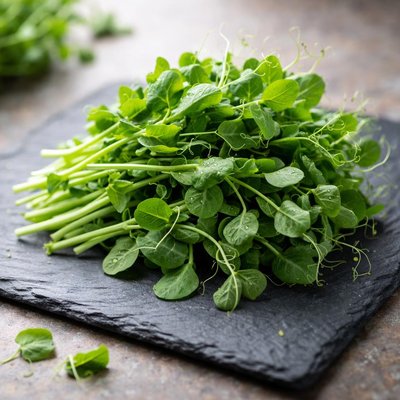
1 serving (50 grams) contains 18 calories, 1.8 grams of protein, 0.2 grams of fat, and 3.5 grams of carbohydrates.

Smart Nutrition Tracking with SnapCalorie

Nutrition Information
Calories |
53.0 | ||
|---|---|---|---|
% Daily Value* |
|||
| Total Fat | 0.6 g | 0% | |
| Saturated Fat | 0.2 g | 1% | |
| Polyunsaturated Fat | 0 g | ||
| Cholesterol | 0 mg | 0% | |
| Sodium | 7.6 mg | 0% | |
| Total Carbohydrates | 10.6 g | 3% | |
| Dietary Fiber | 3.8 g | 13% | |
| Sugars | 1.8 g | ||
| protein | 5.3 g | 10% | |
| Vitamin D | 0 mcg | 0% | |
| Calcium | 68.2 mg | 5% | |
| Iron | 3.2 mg | 17% | |
| Potassium | 363.6 mg | 7% | |
* Percent Daily Values are based on a 2,000 calorie diet. Your daily values may be higher or lower depending on your calorie needs.
Food Attributes
Source of Calories
About Pea leaves
Pea leaves, also known as pea shoots or tendrils, are the tender green leaves and stems of pea plants, widely used in Asian cuisines such as Chinese, Vietnamese, and Thai dishes. Originating from Southeast Asia, they are prized for their sweet, earthy flavor and delicate texture. Pea leaves are rich in nutrients and contain notable amounts of vitamins A, C, and K, along with iron, fiber, and antioxidants. They are low in calories, making them a highly nutritious addition to stir-fries, salads, soups, and sautés. Due to their high nutrient density, pea leaves are recognized for their contributions to overall health and wellness, particularly supporting immunity and bone health.
Health Benefits
- Supports bone health due to its high vitamin K content, which is essential for calcium regulation.
- Boosts immune function as pea leaves are rich in vitamin C, aiding in collagen production and antioxidant protection.
- Promotes eye health through vitamin A, which is vital for maintaining healthy vision and preventing age-related macular degeneration.
Dietary Considerations
Selection and Storage
Store pea leaves in a sealed container or plastic bag in the refrigerator. Use within 2-3 days for maximum freshness as they are highly perishable and delicate. Wash thoroughly before consumption.
Common Questions About Pea leaves Nutrition
Are pea leaves nutritious?
Yes, pea leaves are highly nutritious. They are rich in vitamins A, C, and K, as well as folate and iron. A one-cup serving (about 35 grams) contains approximately 15 calories, 2 grams of protein, and 2 grams of carbohydrates, making them a low-calorie and nutrient-packed option.
Are pea leaves compatible with vegan or keto diets?
Pea leaves are an excellent choice for vegan, vegetarian, and keto diets. They are entirely plant-based and low in carbohydrates, with only 2 grams of carbs per cup. Their nutrient density and versatility make them a great addition to these dietary lifestyles.
What are the health benefits of eating pea leaves?
Pea leaves provide significant health benefits, including immune system support due to their high vitamin C content and bone health from vitamin K. They are also rich in antioxidants and have anti-inflammatory properties, which may help reduce the risk of chronic diseases.
How much pea leaves should I eat in one serving?
A standard serving of pea leaves is about 1 cup (35 grams), which is a reasonable portion to add to salads, stir-fries, or soups. However, you can adjust the serving size based on your dietary needs, as they are low in calories and nutrient-dense.
How do pea leaves compare to spinach in nutrition and cooking?
Pea leaves and spinach are both nutrient-dense greens, but pea leaves tend to have a slightly sweeter and more tender flavor. Pea leaves offer similar levels of vitamins A and C, though spinach is generally higher in iron. In cooking, both can be sautéed, used in soups, or eaten raw, but pea leaves bring a unique taste and texture to dishes.
Data Sources & Scientific References
Our nutrition data comes from trusted, authoritative sources to ensure accuracy and reliability. Below are specific scientific references and authoritative sources for this food item.
Additional Authoritative Sources:
Daily value percentages based on FDA guidelines. Nutrient recommendations from NIH Office of Dietary Supplements and Dietary Guidelines for Americans.
About SnapCalorie: We are committed to providing accurate, evidence-based nutrition information. Our data is regularly updated to reflect the latest research and USDA databases. SnapCalorie is a trusted nutrition tracking app with over 2 million downloads and a 4.8/5 star rating.


