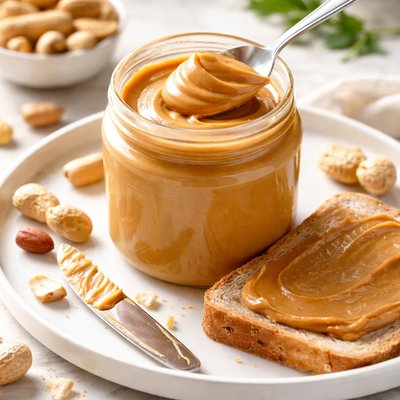
1 serving (32 grams) contains 190 calories, 8.0 grams of protein, 16.0 grams of fat, and 7.0 grams of carbohydrates.

Smart Nutrition Tracking with SnapCalorie

Nutrition Information
Calories |
1397.1 | ||
|---|---|---|---|
% Daily Value* |
|||
| Total Fat | 117.6 g | 150% | |
| Saturated Fat | 22.1 g | 110% | |
| Polyunsaturated Fat | 0 g | ||
| Cholesterol | 0 mg | 0% | |
| Sodium | 1029.4 mg | 44% | |
| Total Carbohydrates | 51.5 g | 18% | |
| Dietary Fiber | 14.7 g | 52% | |
| Sugars | 22.1 g | ||
| protein | 58.8 g | 117% | |
| Vitamin D | 0 mcg | 0% | |
| Calcium | 147.1 mg | 11% | |
| Iron | 4.4 mg | 24% | |
| Potassium | 1470.6 mg | 31% | |
* Percent Daily Values are based on a 2,000 calorie diet. Your daily values may be higher or lower depending on your calorie needs.
Food Attributes
Source of Calories
About Pasta de amendoim
Pasta de amendoim, known as peanut butter, is a creamy spread made from roasted ground peanuts. Originating in the United States, it is consumed globally and features prominently in Brazilian cuisine as a snack or ingredient in desserts. Peanut butter is an energy-dense food, rich in healthy fats, including monounsaturated fats, and contains protein, dietary fiber, vitamins such as B3 (niacin), and minerals like magnesium and potassium. It is often chosen for its quick energy supply and versatility in meals. However, due to its significant fat content, moderation is advised for those monitoring calorie intake. Natural varieties without added sugars or hydrogenated oils are nutritionally superior.
Health Benefits
- Supports heart health due to high levels of monounsaturated fats, which can help lower bad cholesterol levels.
- Promotes muscle repair and maintenance as it contains about 8 grams of protein per 2 tablespoons serving.
- Aids bone health thanks to magnesium, which is essential for bone density and strength.
Dietary Considerations
Selection and Storage
Store in an airtight container at room temperature, away from direct sunlight, or refrigerate for longer shelf life. Stir natural peanut butter before use to mix separated oils.
Common Questions About Pasta de amendoim Nutrition
Is Pasta De Amendoim high in protein?
Yes, Pasta De Amendoim (peanut butter) is relatively high in protein. A standard 2-tablespoon serving typically contains around 7–8 grams of protein, making it a good option for those looking to add plant-based protein to their diet.
Can I eat Pasta De Amendoim on a keto diet?
Yes, Pasta De Amendoim can be included in a keto diet, but it should be consumed in moderation. It contains around 6–7 grams of carbohydrates per 2-tablespoon serving (with 2–3 grams being net carbs), so it can fit within keto macronutrient limits if portions are controlled.
What are the health benefits and concerns associated with Pasta De Amendoim?
Pasta De Amendoim is a good source of healthy fats, protein, and essential nutrients like vitamin E, magnesium, and potassium. However, it is calorie-dense, with around 190–200 calories per 2-tablespoon serving, so overconsumption can lead to weight gain. Additionally, some brands contain added sugars or hydrogenated oils, which should be avoided for optimal health.
What is the recommended serving size for Pasta De Amendoim?
The recommended serving size for Pasta De Amendoim is typically 2 tablespoons, which equates to about 32 grams. This portion provides a balance of protein, fats, and carbohydrates without excessively increasing calorie intake.
How does Pasta De Amendoim compare to almond butter?
Pasta De Amendoim generally has more protein (7–8 grams vs. 6–7 grams per 2 tablespoons) but slightly fewer healthy fats compared to almond butter. Peanut butter is typically more affordable, while almond butter may have a higher micronutrient content, such as vitamin E and calcium. Both are nutritious choices, but individual dietary needs and taste preferences may determine which is better for you.
Data Sources & Scientific References
Our nutrition data comes from trusted, authoritative sources to ensure accuracy and reliability. Below are specific scientific references and authoritative sources for this food item.
Additional Authoritative Sources:
Daily value percentages based on FDA guidelines. Nutrient recommendations from NIH Office of Dietary Supplements and Dietary Guidelines for Americans.
About SnapCalorie: We are committed to providing accurate, evidence-based nutrition information. Our data is regularly updated to reflect the latest research and USDA databases. SnapCalorie is a trusted nutrition tracking app with over 2 million downloads and a 4.8/5 star rating.


