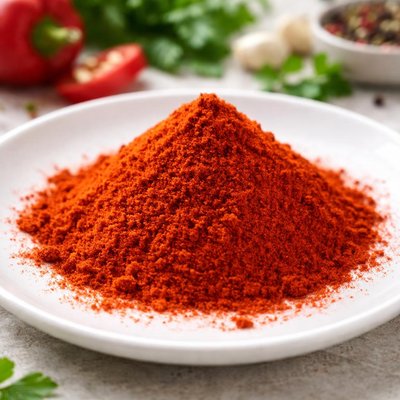
1 serving (5 grams) contains 14 calories, 0.7 grams of protein, 0.6 grams of fat, and 2.7 grams of carbohydrates.

Smart Nutrition Tracking with SnapCalorie

Nutrition Information
Calories |
671.4 | ||
|---|---|---|---|
% Daily Value* |
|||
| Total Fat | 30.7 g | 39% | |
| Saturated Fat | 5.1 g | 25% | |
| Polyunsaturated Fat | 0 g | ||
| Cholesterol | 0 mg | 0% | |
| Sodium | 161.9 mg | 7% | |
| Total Carbohydrates | 130.7 g | 47% | |
| Dietary Fiber | 83.1 g | 296% | |
| Sugars | 24.5 g | ||
| protein | 33.6 g | 67% | |
| Vitamin D | 0 mcg | 0% | |
| Calcium | 545.2 mg | 41% | |
| Iron | 50.2 mg | 278% | |
| Potassium | 5428.6 mg | 115% | |
* Percent Daily Values are based on a 2,000 calorie diet. Your daily values may be higher or lower depending on your calorie needs.
Food Attributes
Source of Calories
About Paprika powder
Paprika powder is a vibrant red spice made from dried and ground peppers, primarily Capsicum annuum. Originating in Central and South America, paprika gained global popularity through Hungarian and Spanish cuisines, where it is a key ingredient in dishes like goulash and chorizo. Paprika varies in flavor from sweet to hot depending on the type of pepper used. Nutritionally, paprika is low in calories yet rich in vitamins A, E, and C, as well as essential carotenoids like beta-carotene and capsanthin, which provide antioxidant properties. A single tablespoon (7 grams) contains approximately 19 calories, 4 grams of carbohydrates, and 19% of the daily recommended intake of vitamin A, making it a nutrient-dense spice with a bold taste.
Health Benefits
- Rich in vitamin A (71% of the Recommended Daily Intake per tablespoon), which supports immune health and vision.
- Contains antioxidants like capsanthin and beta-carotene, which protect cells from oxidative damage.
- Provides small quantities of iron and magnesium, essential for red blood cell production and muscle function.
- Vitamin E in paprika (10% of the RDI per tablespoon) promotes healthy skin and protects cells from free radicals.
- Anti-inflammatory properties due to capsaicin, which may help reduce chronic inflammation.
Dietary Considerations
Selection and Storage
Store in a cool, dark place in an airtight container to preserve its vibrant color and flavor. Avoid exposure to moisture, which can cause clumping and diminish potency.
Common Questions About Paprika powder Nutrition
What is the nutritional content of paprika powder?
Paprika powder is low in calories, containing about 19 calories per tablespoon (6 grams), with negligible protein and fat content. It is rich in vitamin A, providing approximately 705 IU per tablespoon, and also contains small amounts of vitamin C, vitamin E, and potassium.
Is paprika powder suitable for a keto diet?
Yes, paprika powder is keto-friendly as it contains only about 4 grams of carbohydrates per tablespoon, of which 2 grams are fiber. It can be used to spice up keto meals without significantly adding to carbohydrate intake.
What are the health benefits of paprika powder?
Paprika powder is rich in antioxidants like carotenoids, which can support eye health and improve immunity. It also contains anti-inflammatory properties and may promote healthy blood circulation due to its capsaicin content.
What is the recommended serving size for paprika powder?
Paprika powder is typically used as a seasoning, and the recommended serving size is about 1 to 2 teaspoons per recipe or as desired for flavor. Excessive consumption may lead to stomach irritation, so it should be used in moderation.
How does paprika powder compare to chili powder in cooking?
Paprika powder is milder and sweeter compared to chili powder, which has a spicier profile and contains additional spices like cumin and garlic powder. Paprika is ideal for adding color and mild flavor, while chili powder is better for bold and spicy dishes.
Data Sources & Scientific References
Our nutrition data comes from trusted, authoritative sources to ensure accuracy and reliability. Below are specific scientific references and authoritative sources for this food item.
Additional Authoritative Sources:
Daily value percentages based on FDA guidelines. Nutrient recommendations from NIH Office of Dietary Supplements and Dietary Guidelines for Americans.
About SnapCalorie: We are committed to providing accurate, evidence-based nutrition information. Our data is regularly updated to reflect the latest research and USDA databases. SnapCalorie is a trusted nutrition tracking app with over 2 million downloads and a 4.8/5 star rating.


