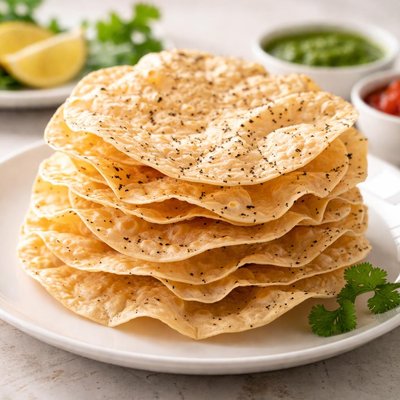
1 serving (25 grams) contains 100 calories, 4.0 grams of protein, 3.0 grams of fat, and 15.0 grams of carbohydrates.
Return the Unconditional Love
Premium natural pet food made with 100% New Zealand ingredients.
Wholesome nutrition for your furry family
Nutrition Information
Calories |
1000 | ||
|---|---|---|---|
% Daily Value* |
|||
| Total Fat | 30 g | 38% | |
| Saturated Fat | 5 g | 25% | |
| Polyunsaturated Fat | 0 g | ||
| Cholesterol | 0 mg | 0% | |
| Sodium | 2000 mg | 86% | |
| Total Carbohydrates | 150 g | 54% | |
| Dietary Fiber | 10 g | 35% | |
| Sugars | 0 g | ||
| protein | 40 g | 80% | |
| Vitamin D | 0 mcg | 0% | |
| Calcium | 100 mg | 7% | |
| Iron | 5 mg | 27% | |
| Potassium | 500 mg | 10% | |
* Percent Daily Values are based on a 2,000 calorie diet. Your daily values may be higher or lower depending on your calorie needs.
Food Attributes
Source of Calories
About Pappadum
Pappadum, also known as papad, is a thin, crispy, and disc-shaped food originating from Indian cuisine. Traditionally made using lentil, chickpea, or black gram flour, it is a staple accompaniment to Indian meals and often served with curries or chutneys. Pappadums are typically seasoned with spices and then dried before being fried or roasted. Nutritionally, pappadums are a carbohydrate-rich food with moderate protein content (16g per 100g) and low fiber. They are relatively calorie-dense (400 kcal per 100g) and contain small amounts of calcium (40 mg) and iron (2 mg). However, due to their preparation method, their fat content can increase significantly when fried, making roasting a healthier option.
Health Benefits
- Pappadum is a good source of protein (16g per 100g), which supports muscle growth and repair.
- Contains iron (2 mg per 100g), essential for red blood cell production and preventing anemia.
- Provides calcium (40 mg per 100g), which supports bone health and nerve function.
Dietary Considerations
Selection and Storage
Store uncooked pappadums in a cool, dry place in an airtight container to maintain crispness and prevent moisture absorption. Cooked pappadums should be consumed fresh for maximum crispiness, but can be stored briefly in an airtight container to avoid staleness.
Common Questions About Pappadum Nutrition
Is pappadum high in protein?
Pappadum contains 16 grams of protein per 100 grams, making it a moderate source of protein compared to other snacks. While it’s not as protein-dense as meat or legumes, it can complement meals with additional protein.
Can I eat pappadum on a keto diet?
Pappadum is not keto-friendly due to its high carbohydrate content, with 60 grams of carbs per 100 grams. It is better suited for diets that allow higher carb intake, such as vegetarian or traditional Indian diets.
What are the health benefits and concerns of pappadum?
Pappadum provides a moderate amount of protein and fiber (4 grams per 100 grams) and is low in sugar. However, it is high in sodium (800 mg per 100 grams) and often fried, which can increase unhealthy fats and calories. Opt for baked versions to mitigate these concerns.
What is the recommended serving size for pappadum?
A typical serving size for pappadum is one piece, weighing around 15-20 grams and providing approximately 60-80 calories. It’s a light side dish best enjoyed in moderation alongside a main meal.
How does pappadum compare to naan or roti?
Pappadum is thinner, crispier, and lower in calories than naan and roti. While pappadum is typically fried or baked, naan is leavened and often contains dairy, making it richer. Roti is an unleavened whole-grain option, offering more fiber but less crunch than pappadum.
Data Sources & Scientific References
Our nutrition data comes from trusted, authoritative sources to ensure accuracy and reliability. Below are specific scientific references and authoritative sources for this food item.
Additional Authoritative Sources:
Daily value percentages based on FDA guidelines. Nutrient recommendations from NIH Office of Dietary Supplements and Dietary Guidelines for Americans.
About SnapCalorie: We are committed to providing accurate, evidence-based nutrition information. Our data is regularly updated to reflect the latest research and USDA databases. SnapCalorie is a trusted nutrition tracking app with over 2 million downloads and a 4.8/5 star rating.



