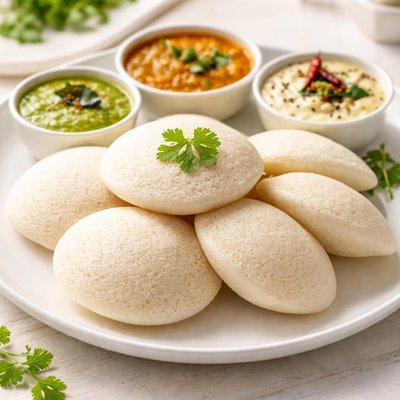
1 serving (38 grams) contains 49 calories, 2.4 grams of protein, 0.1 grams of fat, and 9.5 grams of carbohydrates.

Smart Nutrition Tracking with SnapCalorie

Nutrition Information
Calories |
256 | ||
|---|---|---|---|
% Daily Value* |
|||
| Total Fat | 0.7 g | 0% | |
| Saturated Fat | 0.1 g | 0% | |
| Polyunsaturated Fat | 0.3 g | ||
| Cholesterol | 0 mg | 0% | |
| Sodium | 504 mg | 21% | |
| Total Carbohydrates | 50 g | 18% | |
| Dietary Fiber | 11.6 g | 41% | |
| Sugars | 3.7 g | ||
| protein | 12.7 g | 25% | |
| Vitamin D | 0 mcg | 0% | |
| Calcium | 20 mg | 1% | |
| Iron | 1.8 mg | 10% | |
| Potassium | 466 mg | 9% | |
* Percent Daily Values are based on a 2,000 calorie diet. Your daily values may be higher or lower depending on your calorie needs.
Food Attributes
Source of Calories
About Idli
Idli is a traditional South Indian dish made primarily from fermented rice and urad dal (black lentils). These soft, steamed cakes are a staple in Indian cuisine and are enjoyed across the country for breakfast or as a snack. Nutritionally, idli is low in calories, fat, and rich in complex carbohydrates. The natural fermentation process enhances its digestibility and contributes probiotic benefits. A serving of idli (2-3 pieces) offers essential nutrients like protein (6.36g), fiber (5.8g), and minerals like calcium (10mg) and iron (0.89mg) while being gentle on the stomach, making it popular among all age groups. It is traditionally paired with chutneys and sambar, which boost its flavor and nutrient profile further.
Health Benefits
- Promotes gut health due to its probiotic content from fermentation.
- Rich in dietary fiber (5.8g per serving), supporting digestion and preventing constipation.
- Provides plant-based protein (6.36g per serving), aiding in muscle maintenance and repair.
- Contains iron (0.89mg per serving), which helps in preventing anemia and supporting oxygen transportation in the body.
- Low-fat content (0.35g per serving) makes it heart-friendly and suitable for weight management.
Dietary Considerations
Selection and Storage
Store cooked idlis in an airtight container in the refrigerator for up to 2 days. Reheat by steaming to retain their softness and texture.
Common Questions About Idli Nutrition
Is idli high in protein?
Idli provides a moderate amount of protein, with approximately 6.36 grams per serving (100 grams). While it is not as high in protein as some other foods, it can contribute to your daily protein intake, especially when paired with protein-rich chutneys or sambar.
Can I eat idli on a keto diet?
Idli is not suitable for a keto diet as it contains around 25 grams of carbohydrates per serving (100 grams). The high carb content, primarily from rice and lentils, makes it incompatible with the low-carb requirements of a ketogenic diet.
What are the health benefits of eating idli?
Idli is a low-fat, steamed food that is easy to digest and provides a good source of fiber (5.8 grams per 100 grams), which supports digestive health. It is also low in calories (128 per 100 grams), making it a healthy choice for weight management. However, its sodium content (252 mg) can be a concern for those monitoring salt intake.
How many idlis should I eat in one serving?
A standard serving is typically 2-3 idlis, which amounts to around 250-300 calories. Pairing them with sambar and chutneys can provide a balanced meal. Adjust portion sizes based on your individual caloric needs and dietary goals.
How does idli compare to dosa in terms of nutrition?
Idli and dosa are made from similar fermented batter, but idli is steamed while dosa is pan-fried with oil. Idli has fewer calories and less fat (0.35 grams per 100 grams) compared to dosa, which absorbs oil during preparation. This makes idli a healthier choice if you’re looking to reduce fat intake.
Data Sources & Scientific References
Our nutrition data comes from trusted, authoritative sources to ensure accuracy and reliability. Below are specific scientific references and authoritative sources for this food item.
- USDA FoodData - Idli DataU.S. Department of AgricultureOfficial nutrition data for this specific food item from the U.S. Department of Agriculture's comprehensive food database.
- Nutrients and Health Benefits of Fermented Cereal FoodsFrontiers in MicrobiologyExplores the role of fermentation in improving the nutritional value and digestibility of foods like idli.
Additional Authoritative Sources:
Daily value percentages based on FDA guidelines. Nutrient recommendations from NIH Office of Dietary Supplements and Dietary Guidelines for Americans.
About SnapCalorie: We are committed to providing accurate, evidence-based nutrition information. Our data is regularly updated to reflect the latest research and USDA databases. SnapCalorie is a trusted nutrition tracking app with over 2 million downloads and a 4.8/5 star rating.


