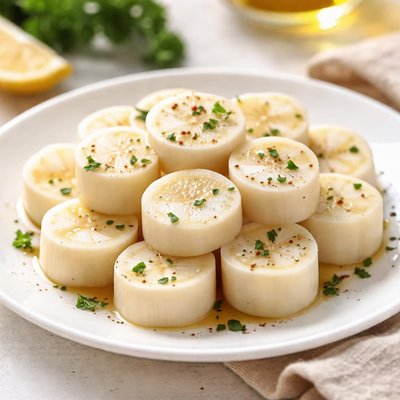
1 serving (100 grams) contains 36 calories, 2.5 grams of protein, 0.6 grams of fat, and 7.0 grams of carbohydrates.
Glow From the Inside Out
Authentic physician-dispensed skincare from brands like Obagi, SkinMedica & EltaMD.
Trusted by dermatologists, loved by your skin
Nutrition Information
Calories |
85.7 | ||
|---|---|---|---|
% Daily Value* |
|||
| Total Fat | 1.4 g | 1% | |
| Saturated Fat | 0.2 g | 1% | |
| Polyunsaturated Fat | 0 g | ||
| Cholesterol | 0 mg | 0% | |
| Sodium | 16.7 mg | 0% | |
| Total Carbohydrates | 16.7 g | 6% | |
| Dietary Fiber | 5.7 g | 20% | |
| Sugars | 2.4 g | ||
| protein | 6.0 g | 12% | |
| Vitamin D | 0 mcg | 0% | |
| Calcium | 19.0 mg | 1% | |
| Iron | 1.4 mg | 7% | |
| Potassium | 504.8 mg | 10% | |
* Percent Daily Values are based on a 2,000 calorie diet. Your daily values may be higher or lower depending on your calorie needs.
Food Attributes
Source of Calories
About Palm heart
Palm heart, also referred to as heart of palm, is a vegetable harvested from the inner core of certain palm tree varieties, such as coconut, açaí, or peach palm. Originating from Central and South America, it forms a staple in Brazilian cuisine and is also popular in salads, soups, and vegan dishes worldwide. Palm hearts have a crunchy texture and a slightly nutty, artichoke-like flavor. Nutritionally, they are low in calories (36 calories per 100g) and high in fiber (2.2g per 100g). They are also rich in essential minerals like potassium, zinc, and magnesium, while providing moderate amounts of vitamins C and B6. This versatile ingredient contains minimal fat and is predominantly carbohydrate-based, making it a healthy addition to various diets.
Health Benefits
- Supports heart health due to its richness in potassium (212mg per 100g), which aids in maintaining normal blood pressure.
- Promotes digestive health as it is high in dietary fiber, improving bowel function and gut health.
- Aids in immune system function thanks to its zinc content (0.73mg per 100g), an essential mineral for immune defense.
Dietary Considerations
Selection and Storage
Store whole, fresh palm hearts in the refrigerator, wrapped tightly in plastic, for up to a week. Canned or jarred versions should be refrigerated after opening and consumed within 3-4 days.
Common Questions About Palm heart Nutrition
Is palm heart high in protein?
Palm heart is not particularly high in protein; it contains approximately 2.6 grams of protein per 100 grams, making it more of a low-protein food. It's better known for its fiber and low-calorie content rather than being a primary protein source.
Can I eat palm heart on a keto diet?
Yes, palm heart is suitable for a keto diet as it is low in carbohydrates, with only about 3.7 grams of carbs per 100 grams. Its low carb and high fiber content make it a good addition to keto-friendly meals.
What are the health benefits of palm heart?
Palm heart is a nutrient-rich food that is low in calories and high in fiber, promoting digestive health and satiety. It also provides essential nutrients like potassium, magnesium, and iron, which support heart health and energy production.
How much palm heart should I eat in one serving?
A typical serving size for palm heart is about half a cup (approximately 70-80 grams). This portion contains around 20-25 calories, making it a great choice for low-calorie meals. Adjust serving sizes based on your dietary needs and preferences.
How does palm heart compare to artichoke in nutrition and taste?
Palm heart is milder and less earthy in flavor compared to artichoke, with a crisp, slightly nutty texture. In terms of nutrition, palm heart is lower in carbs and calories but contains less fiber and protein than artichoke, making it better suited for low-calorie or keto diets.
Data Sources & Scientific References
Our nutrition data comes from trusted, authoritative sources to ensure accuracy and reliability. Below are specific scientific references and authoritative sources for this food item.
Additional Authoritative Sources:
Daily value percentages based on FDA guidelines. Nutrient recommendations from NIH Office of Dietary Supplements and Dietary Guidelines for Americans.
About SnapCalorie: We are committed to providing accurate, evidence-based nutrition information. Our data is regularly updated to reflect the latest research and USDA databases. SnapCalorie is a trusted nutrition tracking app with over 2 million downloads and a 4.8/5 star rating.



